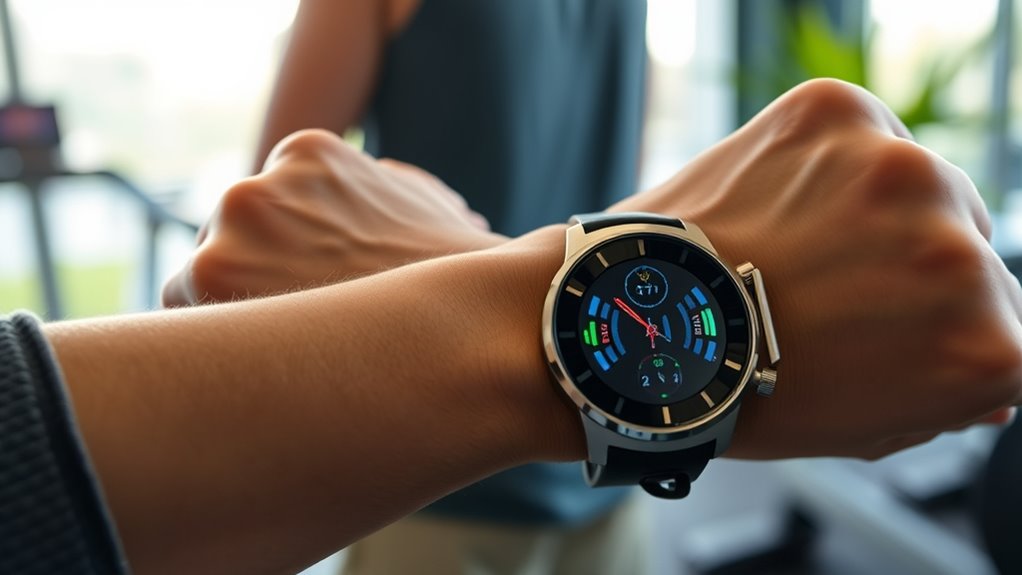

Wearable wellness devices help you monitor your health in real-time, giving insights into sleep quality, stress levels, and physical activity. By tracking patterns and providing personalized data, these gadgets enable you to make smarter lifestyle choices, improve your sleep, and manage stress more effectively. With features like guided relaxation and activity alerts, they support your overall well-being. Keep exploring to discover how these tools can further transform your health journey.
Key Takeaways
- Wearable devices provide real-time health data, enabling proactive management of sleep, stress, and physical activity.
- Sleep tracking features help identify patterns and issues, leading to healthier bedtime routines and improved rest quality.
- Stress monitoring tools detect spikes and suggest relaxation techniques to reduce long-term health risks.
- Consistent health monitoring supports personalized insights, encouraging healthier lifestyle choices over time.
- Integrated wellness features empower users to make informed decisions for better physical and mental well-being.
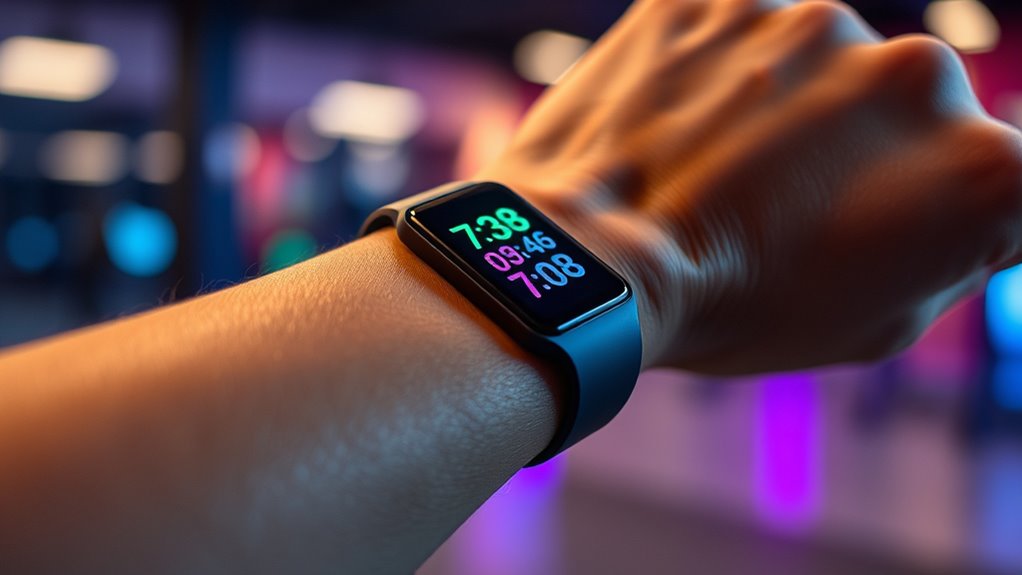
Wearable wellness devices have transformed how you monitor and manage your health daily. These gadgets, from smartwatches to fitness bands, give you real-time insights into your physical and mental well-being, empowering you to make more informed choices. One of the most valuable features they offer is sleep tracking, which helps you understand your sleep patterns, duration, and quality. Instead of guessing whether you’re getting enough rest, your device provides detailed data—like how many hours of deep sleep you achieve or how often you wake up during the night. This information enables you to adjust your bedtime routines, create a calming pre-sleep environment, or identify potential issues like insomnia or sleep apnea. With consistent sleep tracking, you become more aware of how lifestyle factors, stress, or screen time affect your rest, giving you the ability to improve your overall sleep health and, consequently, your daytime energy levels and mood. Additionally, many devices now incorporate wearable sensors that can detect subtle changes in your body, providing even more personalized health insights.
Stress management is another vital aspect that wearable wellness devices support. These devices monitor indicators such as heart rate variability, skin temperature, and even sweat levels to assess your stress levels throughout the day. When you notice a spike in stress, your device can prompt you to take a break, practice breathing exercises, or engage in mindfulness techniques. This real-time feedback helps you develop better stress-coping strategies, reducing the long-term toll that chronic stress can take on your health. By actively managing stress, you not only improve your mental clarity but also lower your risk for conditions like hypertension or heart disease. Many wearables also offer guided relaxation sessions or reminders to pause and breathe, making stress management an integrated part of your daily routine.
Frequently Asked Questions
How Accurate Are Wearable Devices in Tracking Health Metrics?
Wearable devices are generally quite accurate, but their accuracy depends on proper device calibration and an accuracy assessment. You should regularly calibrate your device according to manufacturer instructions for precise tracking. Keep in mind, some metrics like heart rate or sleep might have slight discrepancies, but overall, wearables provide reliable data to help you monitor your health. Staying aware of calibration and accuracy ensures you get the most benefit from your device.
Are Wearable Wellness Devices Suitable for Children or Seniors?
Think of wearable wellness devices as your trusted navigators—they can be suitable for children and seniors if designed with safety and usability in mind. For children, they promote child safety by monitoring activity and location. For seniors, devices with simple interfaces support usability and health tracking. Just like a GPS guides you safely through unfamiliar terrain, these devices help keep vulnerable populations connected and protected, making health management easier for everyone.
What Privacy Concerns Exist With Wearable Health Data?
You should be aware that privacy concerns with wearable health data include risks to data security, where hackers might access sensitive information. Additionally, there’s the issue of user consent; you need to guarantee you’re fully informed about how your data is collected, stored, and shared. Always review privacy policies, enable security features, and stay cautious about sharing personal health details to protect your privacy effectively.
How Long Do Wearable Devices Typically Last Before Needing a Replacement?
Wearable devices usually last about 1 to 2 years before needing a replacement, depending on battery longevity and device durability. You’ll find that battery life tends to decline after heavy use, often requiring a recharge every few days. If your device is well-built with durable materials, it can withstand daily wear and tear longer. Regular updates and proper maintenance can extend its lifespan, but eventually, most wearables will need replacing.
Can Wearable Tech Replace Traditional Medical Diagnosis?
A stitch in time saves nine, and when it comes to health, wearable tech can’t replace traditional diagnosis. While remote monitoring and data integration enhance early detection and ongoing health management, they lack the all-encompassing analysis a healthcare professional provides. You should view wearables as valuable tools for supplementing, not replacing, professional medical evaluations, ensuring you get accurate diagnoses and personalized treatment plans.
Conclusion
Embracing wearable wellness devices is like having a personal health compass guiding you through life’s journey. They empower you to take control, stay motivated, and make smarter choices every day. As technology continues to evolve, these devices become your loyal companions, turning health into a seamless part of your routine. So, don’t just watch your health—wear it proudly and let tech help you thrive like a well-tuned symphony.