
TL;DR

Get the latest gadgets delivered free with Prime
- Fast, free delivery on millions of items
- Prime Video, Amazon Music and more included
- Member-only deals all year
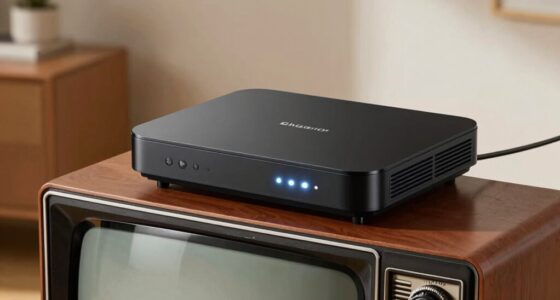
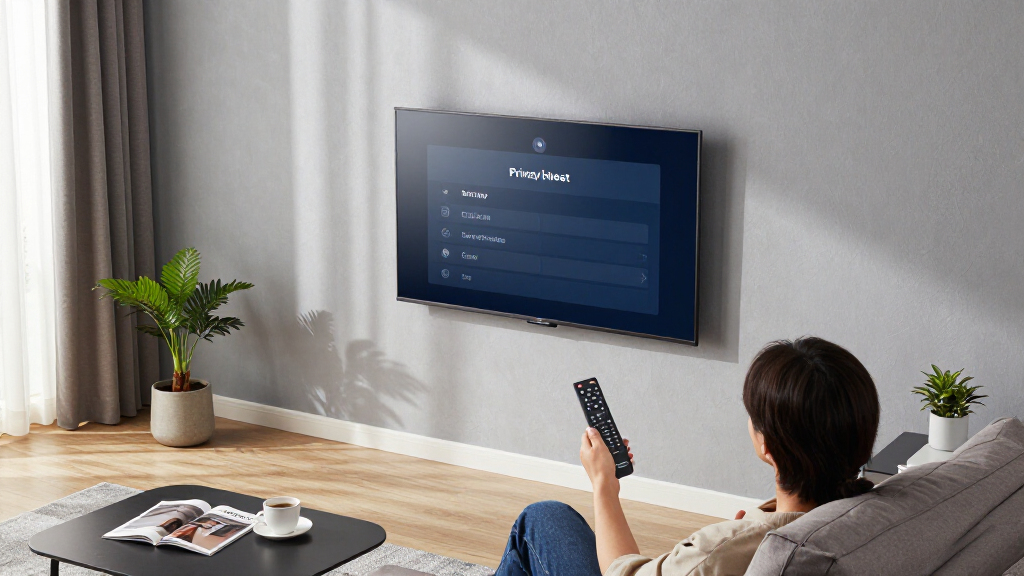
Many smart TVs collect user data for targeted advertising and other purposes. This article outlines proven steps to reduce or stop this spying, based on confirmed practices. It also explains why privacy concerns matter and what remains uncertain about data collection methods.
Consumers can now take confirmed steps to significantly reduce data collection and spying by their smart TVs, according to privacy experts. These measures include adjusting device settings, disabling certain features, and using additional privacy tools. This development is important because it addresses growing concerns over user privacy in the rapidly expanding smart home security systems, where devices often collect extensive viewing and usage data without clear user consent.
Several leading smart TV manufacturers, including Samsung, LG, and Sony, have been found to collect user data for targeted advertising, diagnostic purposes, and content recommendations. While some collection is built into the device’s default settings, experts confirm that users can take concrete steps to limit or block this data sharing. These steps include disabling voice recognition features, turning off viewing data collection in privacy settings, and disconnecting the TV from the internet when not in use.
Additionally, privacy advocates recommend using network-level controls such as firewalls or VPNs to restrict data flow from the device. Some manufacturers have also introduced privacy dashboards, allowing users to view and manage the data collected. However, it is not yet clear how effective all these measures are across different brands and models, and some data collection may continue despite user efforts. For more on protecting your smart devices, see Smart Home Security Systems: A Labor Day sales Guide.
Why Protecting Your Smart TV Privacy Matters
Protecting your smart TV privacy is crucial because these devices can collect sensitive information about viewing habits, voice commands, and even personal conversations. This data can be used for targeted advertising, sold to third parties, or potentially exploited for malicious purposes. As smart TVs become more integrated into everyday life, ensuring they do not infringe on personal privacy is increasingly important for consumers’ digital security and autonomy. Taking confirmed steps to limit data collection helps mitigate these risks and promotes better control over personal information.
As an affiliate, we earn on qualifying purchases.
Background on Data Collection and Privacy Concerns in Smart TVs
Over recent years, reports have revealed that many smart TV manufacturers collect extensive user data, often without explicit consent. This includes viewing habits, voice recordings, and even information about connected devices. While some companies argue this data improves user experience and device performance, privacy groups warn that the scope of data collection raises significant concerns. Regulatory scrutiny has increased, with some jurisdictions proposing or enacting laws to limit such practices. Despite these developments, many consumers remain unaware of the extent of data collection or how to effectively protect their privacy.
As an affiliate, we earn on qualifying purchases.
Limitations and Unknowns in Smart TV Privacy Controls
It remains unclear how effective all privacy settings are across different brands and models, as some data collection may persist despite user adjustments. The extent to which manufacturers may bypass or disable user controls is also uncertain. Additionally, the long-term impact of privacy tools like VPNs or firewalls on preventing data collection from smart TVs has not been fully studied. Consumers should be aware that complete privacy protection may not be guaranteed, and some residual data sharing could continue.
As an affiliate, we earn on qualifying purchases.
Future Developments in Smart TV Privacy Protections
Manufacturers are expected to enhance privacy features in upcoming models, including clearer user controls and transparency reports. Regulatory bodies may also implement stricter rules to limit data collection and improve consumer rights. For consumers, staying informed about device settings, firmware updates, and new privacy tools will be essential. Experts recommend regularly reviewing privacy options and considering network-level protections to stay ahead of evolving data collection practices.
As an affiliate, we earn on qualifying purchases.
Key Questions
Can I completely stop my smart TV from collecting data?
No, completely stopping all data collection may not be possible, but you can significantly reduce it by disabling features, adjusting settings, and using network controls.
Which settings should I disable to protect my privacy?
Disable voice recognition, viewing data collection, and any personalized ad features. Also, consider disconnecting the device from the internet when not in use.
Do VPNs or firewalls effectively block data collection from smart TVs?
They can restrict some data flow, but their effectiveness varies depending on the device and network setup. They are part of a broader privacy strategy.
Are all smart TV brands equally invasive regarding privacy?
No, privacy practices differ among manufacturers. Some provide more transparent controls, while others collect more data by default.
Will future updates improve privacy controls on existing smart TVs?
Potentially, manufacturers may enhance privacy features through firmware updates, but this is not guaranteed. Staying informed and proactive remains important.
Source: rss
Halloween Picks
halloween
As an affiliate, we earn on qualifying purchases.