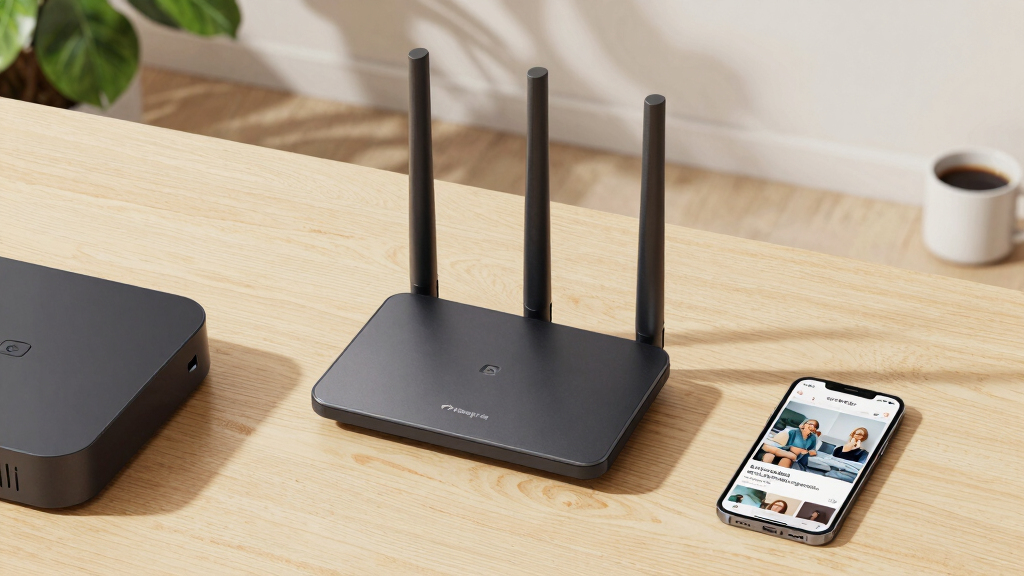

When selecting the best WiFi router for streaming, the key factors are speed, coverage, and stability. The best overall pick is the TP-Link Deco X55 AX3000 Mesh System for its extensive coverage and seamless mesh setup. For those prioritizing raw speed, the NETGEAR Nighthawk WiFi 7 RS140 offers up to 5.0 Gbps. Meanwhile, the TP-Link AXE75 WiFi 6E Router provides cutting-edge 6GHz support for future-proof streaming. The main tradeoffs involve balancing high speed against coverage needs and ease of setup. Keep reading to see how these options stack up across different priorities.
Key Takeaways
- Mesh systems like the Deco X55 excel in covering large homes, reducing dead zones for streaming devices.
- WiFi 7 routers, such as the RS90 and RS140, deliver the highest speeds but come at a premium price and with limited device compatibility currently.
- WiFi 6E models like the AXE75 push into new bands, offering less interference but requiring compatible devices for maximum benefit.
- Choosing a router with multiple Gigabit ports enhances wired connections for gaming consoles or PCs demanding stable bandwidth.
- Ease of setup and security features vary significantly; premium models often include built-in security and parental controls.


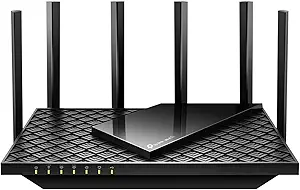
More Details on Our Top Picks
GL.iNet GL-MT6000 (Flint 2) WiFi 6 High Speed Gaming Routers for Wireless Internet, 2 x 2.5G Ethernet Ports for Fiber Optic Modem, Long Range Computer VPN WiFi Router, Home & Business
This router stands out for its impressive combination of WiFi 6 speeds up to 6 Gbps and dual 2.5G Ethernet ports, making it ideal for demanding streaming and gaming setups. Compared to the TP-Link Archer A6, its advanced VPN capabilities and support for over a hundred devices deliver a more flexible, high-performance experience. The setup process is straightforward, with a web interface and detailed tutorials, but the extensive feature set might overwhelm less tech-savvy users. Its robust hardware ensures stable connections during intense multiplayer sessions or 4K streaming, even across large homes. The built-in AdGuard Home support adds privacy filtering, which is a bonus for security-conscious buyers. However, its price and complexity could be a drawback for casual users seeking simple WiFi solutions. Overall, this makes the most sense for tech enthusiasts or small businesses needing reliable, high-speed connectivity without sacrificing security.
Pros:- Blazing WiFi 6 speeds up to 6 Gbps for smooth 4K streaming and gaming
- Supports over a hundred devices with reliable stability
- Built-in VPN and AdGuard Home for enhanced privacy and security
Cons:- Higher price point compared to simpler routers
- Complex setup process may be intimidating for non-technical users
Best for: Power users needing high-speed, multi-device performance for gaming and streaming in large homes or small offices
Not ideal for: Casual users or those with basic internet needs, as its advanced features and setup may be unnecessary
- Wi-Fi Speed:up to 6 Gbps
- Ethernet Ports:2 x 2.5G, 4 x 1G
- RAM Memory:1 GB
- Coverage Range:Wide coverage
- VPN Support:OpenVPN & Wireguard
- Security Protocol:WPA3
Bottom line: Ideal for tech-savvy users and small offices seeking maximum performance and customization.
TP-Link Deco X55 AX3000 WiFi 6 Mesh System – Covers up to 6500 Sq.Ft, Replaces Wireless Router and Extender, 3 Gigabit Ports per Unit, Supports Ethernet Backhaul, Deco X55(3-Pack)
This mesh system excels at eliminating dead zones across large homes, with coverage up to 6500 sq. ft. and support for 150 devices, making it ideal for streaming on multiple devices simultaneously. Unlike the NETGEAR RS90, which offers higher speed but less coverage, the Deco X55 prioritizes seamless, whole-home WiFi for families or shared spaces. Its easy setup via the Deco app simplifies installation, and the support for Ethernet backhaul ensures stable, fast connections. The security features like TP-Link HomeShield provide peace of mind, especially with parental controls and IoT security. The three-pack configuration offers flexible placement, but its maximum speed may be lower than high-end routers like the Archer BE3600, which could be a concern for ultra-high bandwidth needs. This pick makes the most sense for users wanting reliable, consistent streaming in expansive properties without the fuss of wired connections.
Pros:- Covers up to 6500 sq. ft. with seamless mesh WiFi
- Supports up to 150 devices simultaneously
- Easy setup with user-friendly app and Ethernet backhaul support
Cons:- Maximum speed may be lower than high-end gaming routers
- Requires a mesh network setup for best performance
Best for: Families or small groups needing extensive, reliable WiFi coverage throughout large homes
Not ideal for: Users seeking ultra-fast internet speeds for high-end gaming or 8K streaming, where coverage is secondary to raw bandwidth
- Coverage:up to 6500 sq. ft.
- Wi-Fi Speed:AX3000
- Ethernet Ports:3 Gigabit
- Device Support:up to 150 devices
- Security:HomeShield
- Setup:App-based
Bottom line: Perfect for households requiring extensive, stable WiFi coverage for multiple streaming devices.
TP-Link AC1200 Gigabit WiFi Router (Archer A6) – Dual Band MU-MIMO Wireless Internet Router, 4 x Antennas, OneMesh and AP Mode, Long Range Coverage
This router offers solid dual-band Wi-Fi with speeds up to 1200 Mbps, and its external antennas help extend coverage into most homes. Compared to the Archer BE3600, it’s simpler to set up and manage via the Tether app, making it suitable for less tech-savvy users. Its MU-MIMO technology allows multiple devices to stream simultaneously without lag, which is advantageous for households with streaming, gaming, and smart devices. Its affordability and straightforward installation make it a good choice for small families or apartment dwellers. However, its lower maximum speed and smaller coverage area could limit performance in larger homes or households with very high bandwidth needs. This makes it a practical option for those who want dependable WiFi without complex features or high price tags.
Pros:- Easy to set up with the Tether app
- Supports MU-MIMO for multiple devices
- Good range for small to medium homes
Cons:- Maximum speed of 1200 Mbps may be limiting for heavy streaming or gaming
- Coverage might fall short in large or multi-story homes
Best for: Small households or apartment dwellers seeking reliable WiFi for streaming and everyday use
Not ideal for: Power users or large homes requiring ultra-fast speeds or extensive coverage
- Wi-Fi Speed:up to 1200 Mbps
- Antennas:4 external
- Coverage:Medium range
- Device Support:Multiple devices
- Security:WPA3
- Setup:App-based
Bottom line: A reliable, user-friendly router for small households focused on streaming and smooth everyday internet use.
TP-Link Dual-Band BE3600 Wi-Fi 7 Router Archer BE230 | 4-Stream | 2×2.5G + 3×1G Ports, USB 3.0, 2.0 GHz Quad Core, 4 Antennas | VPN, EasyMesh, HomeShield, MLO, Private IOT | Free Expert Support
This Wi-Fi 7 router offers cutting-edge features like Multi-Link Operation and 4K-QAM, delivering speeds up to 2882 Mbps on the 5 GHz band, ideal for future-proofing your home network. Compared to the Archer A6, its advanced Wi-Fi 7 technology supports higher data capacities and lower latency, making it perfect for ultra-high-definition streaming, AR/VR, and gaming. The quad-core processor and multiple ports provide flexible wired and wireless connectivity, while the USB 3.0 port enables easy device sharing. Its support for VPN, HomeShield, and EasyMesh ensures security and expandability. Nonetheless, its price is higher, and it’s more suited to users ready to upgrade to Wi-Fi 7 for maximum speed, rather than casual streaming needs. This is an excellent choice for early adopters and users with demanding bandwidth requirements.
Pros:- Supports Wi-Fi 7 with speeds up to 2882 Mbps
- Multiple 2.5G and 1G ports for high-speed wired connections
- Supports VPN, HomeShield, and EasyMesh for security and expandability
Cons:- Higher cost compared to WiFi 6 routers
- Requires compatible devices to fully utilize Wi-Fi 7 speeds
Best for: Early adopters and high-bandwidth households needing ultra-fast, future-ready WiFi
Not ideal for: Budget-conscious users or those with basic streaming needs who don’t require Wi-Fi 7 features
- Wi-Fi Speed:up to 2882 Mbps
- Ports:2 x 2.5G, 3 x 1G
- Antenna:4 fixed antennas
- Coverage:Home
- Processor:Quad-core 2.0 GHz
- Security:HomeShield, VPN
Bottom line: Best suited for tech enthusiasts and households aiming for the latest in Wi-Fi technology and maximum speed.
NETGEAR Nighthawk Dual-Band WiFi 7 Router (RS140) – Router Only, BE5000 Wireless Speed (up to 5.0 Gbps) – Covers up to 2,250 sq. ft., 80 Devices – 2.5 Gig Internet Port – Free Expert Help
This router offers impressive Wi-Fi 7 speeds up to 5 Gbps and can support up to 80 devices, making it ideal for busy households with many streaming, gaming, and smart devices. Its coverage of 2,250 sq. ft. and 2.5 Gbps WAN port ensure fast, reliable connections for demanding users. In comparison to the Archer BE230, which emphasizes Wi-Fi 7 speeds, the RS140’s support for more devices makes it better suited for larger families or shared environments. The setup is straightforward with expert support included, but its higher price and focus on device quantity over ultra-high speed might not appeal to those primarily interested in cutting-edge maximum bandwidth. This makes it perfect for households where stability and device support are more critical than absolute speed.
Pros:- Supports Wi-Fi 7 with speeds up to 5 Gbps
- Supports up to 80 devices simultaneously
- Covers up to 2,250 sq. ft. with reliable connections
Cons:- Higher price point
- Focus on device support may limit peak single-device speeds
Best for: Large households or shared spaces with many devices needing reliable, high-speed WiFi
Not ideal for: Users with minimal devices or those seeking the absolute fastest single-device streaming speeds
- Wi-Fi Speed:up to 5 Gbps
- Coverage:up to 2,250 sq. ft.
- Device Support:up to 80 devices
- Ports:1 x 2.5G, 4 x Gigabit
- Wi-Fi Generation:Wi-Fi 7
- Security:WPA3
Bottom line: Best for large households with many devices prioritizing stable, fast multi-device connectivity.
NETGEAR WiFi 6 Router 4-Stream (R6700AX) – Router Only, AX1800 Wireless Speed (Up to 1.8 Gbps), Covers up to 1,500 sq. ft., 20 Devices
This NETGEAR AX1800 WiFi 6 router offers a balanced combination of speed, device capacity, and coverage, making it a strong choice for most streaming needs. Compared with the ASUS RT-AX1800S, it provides similar speeds but slightly fewer advanced security features. Its support for up to 20 devices ensures smooth streaming even in busy households. The setup is straightforward, and its compatibility with most ISPs up to 1 Gbps makes it versatile. However, its coverage is limited to about 1,500 sq. ft., which might require additional mesh units in larger homes. Its dual-band capability simplifies connections but may not optimize multi-band streaming as well as WiFi 7 options. This pick is ideal for users wanting reliable WiFi 6 performance without extra bells and whistles, and it strikes a good balance of features for streaming.
Pros:- Reliable WiFi 6 performance with speeds up to 1.8 Gbps
- Supports up to 20 devices simultaneously
- Easy to set up with app guidance
Cons:- Limited coverage area of 1,500 sq. ft., may need extenders or mesh
- No advanced security features like VPN support
Best for: Small to medium households that need dependable streaming with multiple devices.
Not ideal for: Large multi-story homes or users seeking WiFi 7 speeds and mesh capabilities.
- Wireless Speed:Up to 1.8 Gbps
- Coverage:Up to 1,500 sq. ft.
- Device Support:Up to 20 devices
- Frequency Band:Dual-Band
- Ports:4 Gigabit Ethernet ports
- Security:WPA2, WPA3
Bottom line: This router suits users who want solid WiFi 6 streaming performance in smaller or mid-sized homes without extra complexity.
ASUS RT-AX1800S Dual Band WiFi 6 Extendable Router, Subscription-Free Network Security, Parental Control, Built-in VPN, AiMesh Compatible, Gaming & Streaming, Smart Home
This ASUS RT-AX1800S excels with its extensive security suite, parental controls, and AiMesh support, making it ideal for tech-savvy streamers who prioritize network security and expandability. Unlike the NETGEAR AX1800, it offers built-in VPN and more customizable security features, which are crucial for privacy-conscious users. Its dual-band WiFi 6 supports multiple streams seamlessly, and its mesh compatibility allows for expanded coverage in larger or multi-room setups. The setup via web GUI offers more control than simple app-based configurations, but its slightly higher price and complexity might deter beginners. Its 1024-QAM and OFDMA technologies ensure fast, stable connections across many devices, making it great for gaming and 4K streaming. If security and scalability are your priorities, this router is a compelling option.
Pros:- Supports WiFi 6 with MU-MIMO and OFDMA for multiple streams
- Built-in VPN and subscription-free security suite
- AiMesh compatibility for seamless coverage expansion
Cons:- Setup and configuration are more complex than basic routers
- Higher price point compared to standard AX1800 models
Best for: Tech-savvy users needing security, parental controls, and mesh expansion for streaming in larger homes.
Not ideal for: Beginners or households with simple needs who prefer plug-and-play devices without advanced features.
- Wireless Speed:Up to 1.8 Gbps
- Coverage:Supports mesh in larger homes
- Device Support:Supports multiple devices with MU-MIMO
- Security:Built-in VPN, WPA3, parental controls
- Ports:4 Gigabit Ethernet ports
- Technology:WiFi 6 (802.11ax)
Bottom line: This router is best suited for users who want security, scalability, and advanced network features for streaming and gaming.
NETGEAR Nighthawk Dual-Band WiFi 7 Router (RS140) – Router Only, BE5000 Wireless Speed (up to 5.0 Gbps) – Covers up to 2,250 sq. ft., 80 Devices – 2.5 Gig Internet Port – Free Expert Help
The NETGEAR Nighthawk RS140 delivers blazing-fast WiFi 7 speeds up to 5.0 Gbps, making it an excellent choice for high-bandwidth streaming, gaming, and smart home devices. Its support for up to 80 devices and coverage of 2,250 sq. ft. outperforms WiFi 6 routers like the ASUS RT-AX1800S, providing more headroom for dense device environments. The 2.5 Gigabit port enables multi-gig internet plans, and its sleek design with high-performance antennas enhances signal strength. However, as a WiFi 7 router, it requires a compatible internet plan and may be overkill for small households or those with modest streaming needs. Its higher cost and future hardware dependency mean it’s a smart investment for those wanting the latest tech and maximum speeds, especially in large or device-rich homes.
Pros:- Supports WiFi 7 speeds up to 5.0 Gbps
- Covers up to 2,250 sq. ft. with 80 devices capacity
- Includes 2.5 Gigabit Ethernet port for multi-gig plans
Cons:- Requires a compatible internet plan and device
- Higher price point compared to WiFi 6 routers
Best for: Early adopters and large households seeking ultra-fast WiFi 7 for streaming and gaming.
Not ideal for: Small homes or users on a budget who don’t need WiFi 7 speeds yet.
- Wireless Speed:Up to 5.0 Gbps
- Coverage:Up to 2,250 sq. ft.
- Device Support:Supports 80 devices
- Ports:1 2.5 Gigabit Ethernet port
- Technology:WiFi 7 (802.11be)
- Security:WPA3
Bottom line: Perfect for users wanting cutting-edge WiFi 7 speeds and expansive coverage for streaming and gaming.
TP-Link AX5400 WiFi 6 Router (Archer AX73)- Dual Band Gigabit Wireless Internet Router for Streaming, Long Range Coverage
The TP-Link Archer AX73 offers ultra-fast WiFi 6 speeds up to 5.4 Gbps and a coverage radius suited for large homes, making it ideal for demanding streaming setups. Its 6 antennas and Beamforming technology deliver strong, stable signals across multiple rooms, outperforming smaller routers like the NETGEAR AX1800 in range. The OFDMA and MU-MIMO support enable simultaneous streaming on numerous devices, reducing lag. Its extensive port selection and TP-Link HomeShield security suite add value for families needing both speed and safety. On the downside, the router’s size and power consumption are higher, and advanced features may be overwhelming for casual users. Overall, it’s a top pick for large households with high streaming and gaming demands who need broad coverage and speed.
Pros:- Supports WiFi 6 speeds up to 5.4 Gbps
- Long-range coverage with 6 antennas
- Supports OFDMA and MU-MIMO for multiple devices
Cons:- Bulkier size and higher power consumption
- More complex setup for less tech-savvy users
Best for: Large homes with many devices requiring fast, stable streaming over a wide area.
Not ideal for: Small apartments or users with simple streaming needs who prefer compact devices.
- Wireless Speed:Up to 5.4 Gbps
- Coverage:Designed for large homes
- Ports:4 Gigabit LAN, 1 5Gbps WAN
- Technology:WiFi 6 (802.11ax)
- Antennas:6 external antennas
- Security:HomeShield, WPA3
Bottom line: This router is ideal for large households that demand high-speed, wide-area coverage for streaming and gaming.
TP-Link BE6500 Dual-Band WiFi 7 Router (BE400) – Dual 2.5Gbps Ports, USB 3.0, Covers up to 2,400 sq. ft., 90 Devices, Quad-Core CPU, HomeShield, Private IoT, Free Expert Support
This router stands out for its cutting-edge Wi-Fi 7 technology, offering speeds up to 5764 Mbps on the 5GHz band and robust coverage for up to 2,400 sq. ft. It’s ideal for households with multiple high-bandwidth devices like gaming consoles and 8K streaming setups, especially when compared to older Wi-Fi 6 options like the TP-Link AXE5400. The inclusion of Multi-Link Operation (MLO) and multi-gig ports ensures future compatibility with next-gen devices. However, this advanced tech comes with a tradeoff: higher cost and potentially more complex setup for users unfamiliar with Wi-Fi 7 features. The router’s security features, including HomeShield and Private IoT, add peace of mind, but it may be overkill for smaller apartments or users with basic internet needs. This pick makes the most sense for tech-savvy users seeking the latest connectivity standards and maximum future-proofing.
Pros:- Supports Wi-Fi 7 with speeds up to 5764 Mbps, ideal for future devices
- Includes dual 2.5 Gbps ports and USB 3.0 for versatile wired connections
- Covers large areas up to 2,400 sq. ft. and supports 90 devices simultaneously
Cons:- High price point compared to Wi-Fi 6 routers like the TP-Link AXE5400
- Setup complexity may be daunting for non-technical users
- Wi-Fi 7 compatibility is limited to newer devices, reducing immediate benefits
Best for: Tech enthusiasts and large households wanting the latest Wi-Fi 7 speeds and extensive device support.
Not ideal for: Small apartments or users on a tight budget who do not need the latest Wi-Fi standard or maximum throughput.
- Wi-Fi Standard:Wi-Fi 7 (802.11be)
- Total Bandwidth:up to 5764 Mbps
- Coverage Area:up to 2,400 sq. ft.
- Device Support:up to 90 devices
- Ports:1x 2.5 Gbps WAN, 1x 2.5 Gbps LAN, 3x 1 Gbps LAN
- Processor:Quad-Core CPU
- Security Features:HomeShield, Private IoT
- Antenna Count:6
- Additional Features:Multi-Link Operation (MLO), Mesh support
Bottom line: Best suited for users who prioritize cutting-edge technology and extensive device capacity for future-proof streaming and gaming.
TP-Link AXE5400 Tri-Band WiFi 6E Router (Archer AXE75), 2025 PCMag Editors’ Choice, Gigabit Internet for Gaming & Streaming, New 6GHz Band, 160MHz, OneMesh, Quad-Core CPU, VPN & WPA3 Security
This router makes a strong case for gamers and streamers wanting ultra-fast, low-latency internet, thanks to its tri-band Wi-Fi 6E support and a dedicated 6 GHz band delivering up to 2402 Mbps. It surpasses Wi-Fi 6 options like the TP-Link AX5400 in speed and capacity, thanks to OFDMA and 160MHz channels that enable more devices to operate smoothly simultaneously. The quad-core 1.7 GHz CPU and 512 MB RAM ensure long-term performance, even with many devices connected. While its high speed and advanced security features such as WPA3 and VPN support are appealing, it may be overkill for average streaming needs or smaller homes. Its broad compatibility with ISPs and OneMesh support makes it versatile, but the premium price might deter budget-conscious buyers. This router is ideal for demanding households that prioritize gaming, streaming, and future-proof Wi-Fi 6E technology.
Pros:- Supports Wi-Fi 6E with a dedicated 6 GHz band for fast, responsive gaming
- Tri-band setup increases capacity and reduces congestion
- Includes VPN, WPA3 security, and OneMesh for seamless coverage
Cons:- Relatively high price compared to dual-band Wi-Fi 6 routers
- Complex setup may challenge less tech-savvy users
- Overkill for users with basic streaming or browsing needs
Best for: Gamers and streamers in large homes who want top speeds, low latency, and advanced network security.
Not ideal for: Users with modest internet requirements or small apartments, where the high cost and extra features are unnecessary.
- Wi-Fi Standard:Wi-Fi 6E (802.11ax)
- Maximum Speed:up to 5400 Mbps
- Coverage:Whole-home support with OneMesh
- Bands:2.4 GHz, 5 GHz, 6 GHz
- Processor:Quad-Core 1.7 GHz
- Memory:512 MB RAM
- Security:WPA3, VPN
- Antenna Count:8
- Additional Features:160MHz channels, OFDMA, VPN support
Bottom line: Best for households demanding high-speed, low-latency connectivity for gaming and 4K streaming in large or device-dense environments.
How We Picked
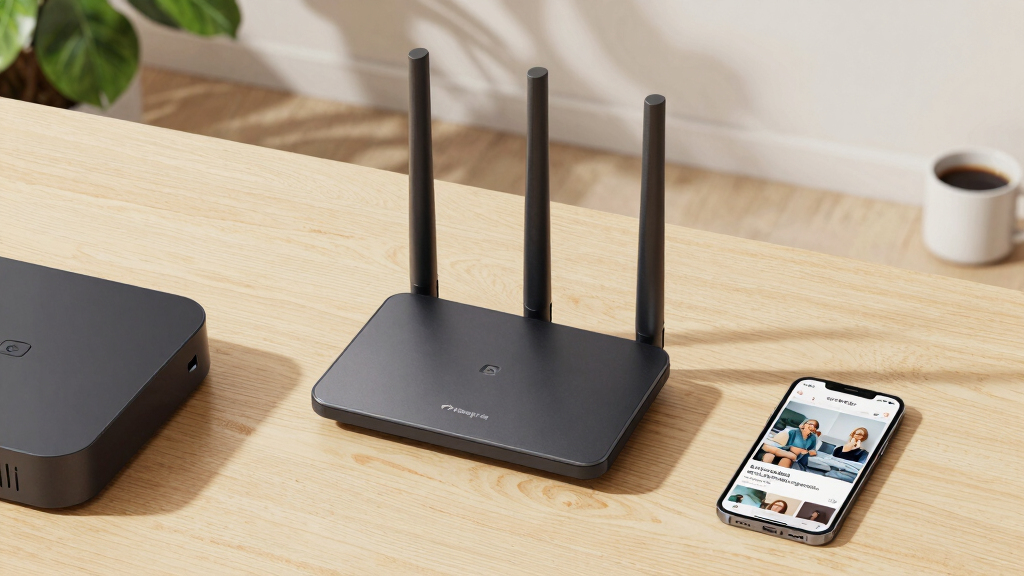
These routers were selected based on performance metrics like maximum throughput, coverage area, and device capacity, all critical for streaming in high quality. Compatibility with latest WiFi standards (WiFi 6, 6E, 7) was prioritized to future-proof setups. Ease of installation, user interface, and security features also influenced rankings, as these impact everyday usability. Price-to-performance ratio was a key factor, ensuring that top picks deliver real value for different budgets. The lineup balances high-end, mid-range, and budget options to cater to various streaming needs and home sizes.Factors to Consider When Choosing Best Wifi Routers For Streaming
Choosing the right WiFi router for streaming involves more than just speed ratings. It requires understanding your home’s size, device load, and future needs. Here are key factors to consider beyond the specs to make an informed decision.Coverage Area
Assess the size of your home and the placement of your router. Larger spaces benefit from mesh systems or routers with multiple antennas designed for extended coverage. Underestimating coverage often results in dead zones that disrupt streaming. Conversely, overestimating needs can lead to unnecessary spending on high-capacity routers. Consider your current device count and future expansion plans to select the right coverage level.
Speed and Bandwidth
Look beyond advertised maximum speeds; real-world performance depends on your internet plan and device compatibility. For streaming 4K or higher, aim for routers supporting at least 1.8 Gbps or higher. WiFi 6 and 6E routers provide improved efficiency, especially with multiple devices, reducing buffering. Keep in mind that faster routers are most beneficial if your internet service offers high bandwidth; otherwise, they may be underutilized.
Number of Devices
Modern homes often have dozens of streaming devices, smart gadgets, and gaming consoles. A router with higher device capacity prevents network congestion. WiFi 6 and 6E standards handle multiple streams better, maintaining stability. Don’t forget to consider wired ports for devices that demand consistent performance, like gaming PCs or smart TVs. Overloading a router with too many devices typically results in degraded streaming quality.
Ease of Setup and Security
Intuitive setup processes save time and frustration, especially for less tech-savvy users. Many routers now include mobile apps that simplify installation. Security features like WPA3 encryption, automatic updates, and parental controls add peace of mind. Budget options may lack advanced security, making them less suitable for sensitive data or family use. Investing in a model with robust security features can help protect your streaming devices from cyber threats.
Price and Future-Proofing
High-performance routers come with a higher price tag but often include features that extend their relevance. WiFi 6E and 7 models support new frequency bands, offering less interference and higher speeds, but require compatible devices. Balance current needs with anticipated future demands; buying a slightly more capable router now can delay the need for an upgrade. Avoid overspending on features you won’t utilize, but also don’t compromise on essential performance for budget savings.
Frequently Asked Questions
Will upgrading to a WiFi 6 or WiFi 6E router improve my streaming quality?
Upgrading to a WiFi 6 or WiFi 6E router can significantly improve streaming quality, especially in busy households with multiple devices. These standards handle multiple streams more efficiently, reducing buffering and lag. WiFi 6E adds the 6GHz band, which is less crowded and ideal for high-bandwidth activities like 4K streaming. However, to realize these benefits, your streaming devices must also support these newer standards. If they do, you’ll notice smoother, more reliable streaming experiences.
Is it worth investing in a mesh system for streaming in a large home?
Yes, a mesh system like the TP-Link Deco X55 is well-suited for large homes, providing extensive coverage and reducing dead zones. Mesh networks distribute WiFi signals across multiple nodes, ensuring consistent speeds in every room. They are especially valuable if you have multiple streaming devices spread out geographically. The tradeoff is usually a higher cost and slightly more complex setup, but the improved coverage often justifies the investment for reliable streaming everywhere.
How important are wired ports for streaming devices?
Wired ports are very important for devices that require stable, high-speed connections, such as gaming consoles or 4K smart TVs. Ethernet connections eliminate WiFi interference, providing consistent bandwidth crucial for uninterrupted streaming. If your router lacks sufficient Gigabit ports, consider an extender or network switch. Relying solely on WiFi in a busy household might cause buffering issues, especially during peak usage times, making wired connections a smart choice for critical devices.
Should I buy the most expensive router for streaming?
Not necessarily. While high-end routers like WiFi 7 models offer cutting-edge speeds and features, they may be overkill for average streaming needs or smaller homes. Instead, focus on features that match your specific setup—coverage, device capacity, and compatibility. Budget-friendly WiFi 6 routers can deliver excellent streaming performance for most users, while premium models provide future-proofing and additional security. Consider your current and future needs to find the best balance between cost and performance.
What features should I prioritize for a streaming-focused router?
Prioritize high throughput capabilities, support for the latest WiFi standards (preferably WiFi 6 or 6E), and good coverage. Multiple Gigabit Ethernet ports are also beneficial for wired connections, ensuring stable streaming on critical devices. Security features like WPA3 and parental controls add value, especially in family environments. Lastly, look for user-friendly setup processes and reliable customer support to make managing your network easier and more secure over time.
Conclusion
For most users seeking reliable streaming, the TP-Link Deco X55 AX3000 Mesh System offers a perfect blend of coverage, ease of use, and value. If you prioritize raw speed and cutting-edge tech, the NETGEAR Nighthawk WiFi 7 RS140 stands out, though at a higher cost. Beginners or small households might prefer a straightforward WiFi 6 model like the ASUS RT-AX1800S for simplicity. For large homes or those who want future-proofing, investing in WiFi 6E or WiFi 7 routers provides the best long-term performance. Ultimately, your choice should match your home size, device load, and budget to ensure smooth streaming now and in the future.