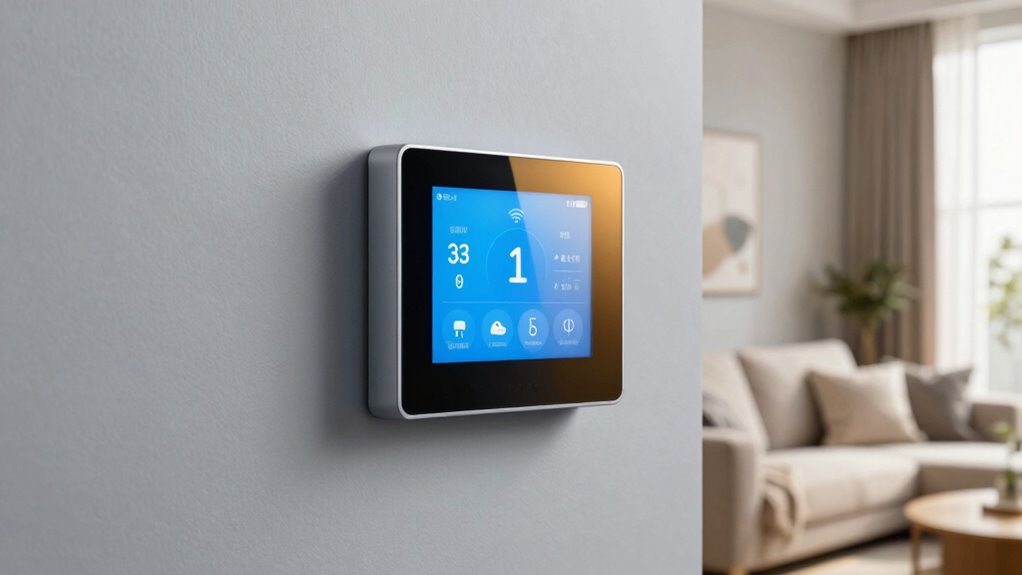

Smart thermostats save money by automatically adjusting settings based on your habits, schedules, and location. They learn your preferences over time, optimize temperature changes, and can detect when you’re away using geofencing. By providing energy reports, you can track savings and identify inefficiencies. Integrating with other smart devices and controlling humidity boosts efficiency even more. If you want to discover how to get the most out of these features, keep exploring the options available.

Get the latest gadgets delivered free with Prime
- Fast, free delivery on millions of items
- Prime Video, Amazon Music and more included
- Member-only deals all year
Key Takeaways
- Auto-learning and adaptive scheduling optimize temperature settings based on routines, reducing energy waste.
- Geofencing detects occupancy to automatically switch to energy-saving modes when no one is home.
- Proper installation and seasonal adjustments ensure maximum efficiency and cost savings over time.
- Monitoring energy consumption patterns helps identify inefficiencies and encourages mindful usage.
- Integrating smart zoning and automation prevents unnecessary heating or cooling in unoccupied areas.
smart thermostat with auto-learning
As an affiliate, we earn on qualifying purchases.
As an affiliate, we earn on qualifying purchases.
Do Smart Thermostats Really Save Money?
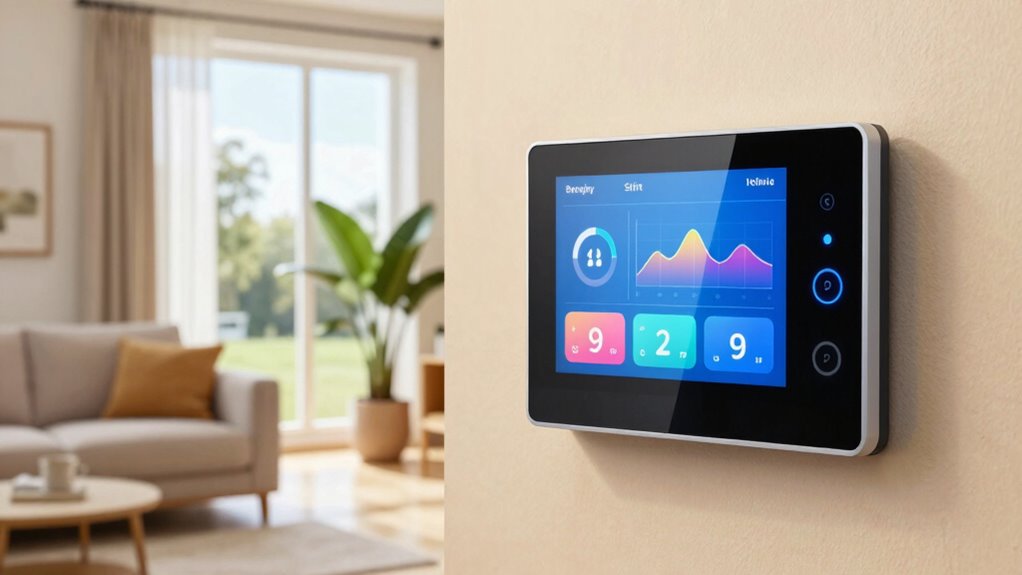
Many homeowners wonder if investing in a smart thermostat truly pays off in the long run. There are many smart thermostat myths suggesting they’re too expensive or complicated to save money. While installation challenges can seem intimidating, most models are designed for easy setup, often taking less than an hour. Once installed, a smart thermostat can considerably reduce your energy bills by optimizing heating and cooling schedules. It learns your habits over time and adjusts temperatures accordingly, ensuring you don’t waste energy. Proper installation is crucial to maximize savings and ensure the device functions correctly. Additionally, many models include air quality monitoring features that contribute to a healthier home environment, further enhancing their value. Understanding energy savings is essential to see how these devices can impact your monthly bills. Incorporating smart technology into your home can improve overall efficiency and comfort. Staying informed about technological advancements can help you choose the most effective and innovative options. Although the upfront cost might seem high, the savings on energy bills usually offset this expense within a year or two. Overall, a smart thermostat is a smart investment for long-term savings and convenience.
As an affiliate, we earn on qualifying purchases.
How Auto-Learning Algorithms Adjust Your Temperature
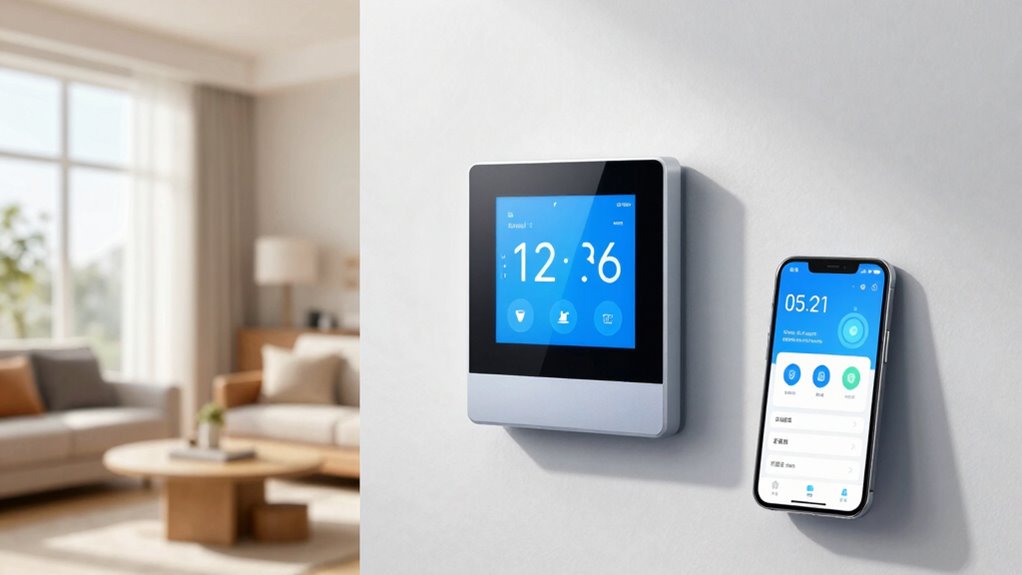
Auto-learning algorithms analyze your daily routines to automatically adjust the temperature for ideal comfort and efficiency. They refine adaptive temperature settings by remembering your preferences and habits, ensuring your home feels just right. Over time, they maximize your schedule to save energy without sacrificing comfort. Additionally, some systems incorporate smart zoning techniques, which allow for different temperature settings in various areas of your home to further enhance energy savings and comfort. These advanced features can also be integrated with seasonal adjustments, helping your system adapt to changing weather patterns for even greater efficiency. Proper calibration of auto-learning algorithms ensures optimal performance and long-term energy savings. Recognizing the importance of energy efficiency can lead to more sustainable home management and lower utility bills, especially as interdisciplinary insights from fields like data science and environmental studies contribute to smarter system designs.
Adaptive Temperature Settings
Adaptive temperature settings use auto-learning algorithms to tailor your thermostat’s behavior to your habits and preferences. These settings improve climate control by automatically adjusting the temperature based on your daily routines, ensuring ideal temperature regulation. When you consistently set specific temperatures at certain times, the thermostat recognizes these patterns and begins to make adjustments without your input. For instance, it might lower the heat when you leave for work or raise it before you wake up. This smart adaptation helps you save energy and money by reducing unnecessary heating or cooling. Additionally, some thermostats include features like voice control or smartphone app integration, making it even easier to manage your climate remotely. These auto-learning algorithms can also detect changes in your schedule over time, further optimizing your energy usage, especially when integrated with smart home systems. As these algorithms analyze your habits, they may incorporate behavioral patterns to enhance efficiency. Furthermore, many of these thermostats offer energy reports that provide insights into your consumption and savings, encouraging more mindful energy use. Instead of manually changing settings, your thermostat learns and fine-tunes itself, maintaining comfort while maximizing efficiency. Adaptive temperature settings create a seamless experience, making your home more comfortable and reducing your energy bills over time.
Learning Schedule Optimization
Have you ever wondered how your thermostat seems to know the perfect time to adjust the temperature? That’s thanks to learning schedule enhancement. Auto-learning algorithms observe your routines and adapt accordingly, so you don’t have to manually set times. You can use voice commands to tweak settings on the fly, and the thermostat will incorporate those adjustments into its learning process. Weather integration plays a key role—if a forecast predicts a cold front, your thermostat can preemptively warm your home, saving energy and money. Over time, it becomes smarter, fine-tuning its schedule based on your habits and external conditions. This continuous optimization ensures your home stays comfortable without wasting energy, all while seamlessly adapting to your lifestyle. Understanding crisping techniques can also help you optimize your home’s energy use more effectively. Regularly monitoring body jewelry measurements and choosing appropriate materials can further enhance your overall energy efficiency and comfort. Additionally, being aware of standby power consumption can help you identify further savings opportunities. Implementing smart home integration allows for even more precise control and energy savings through connected devices. Moreover, staying informed about air exchange rates can contribute to maintaining optimal indoor air quality while conserving energy.
As an affiliate, we earn on qualifying purchases.
Using Geofencing to Save Energy When You’re Away
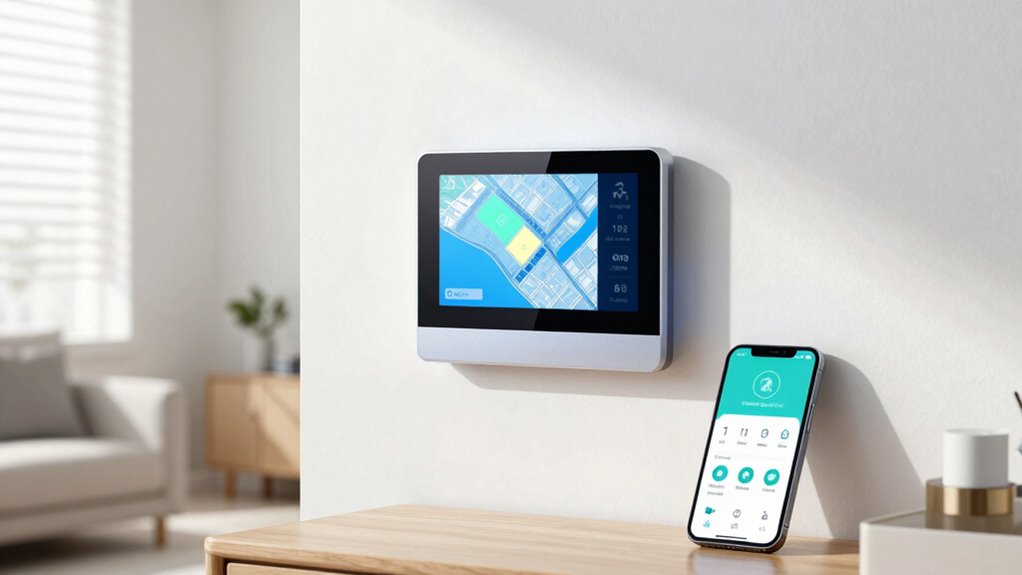
Using geofencing, your thermostat can automatically activate Away Mode when you leave home, saving energy without you lifting a finger. It detects your location through your smartphone, ensuring the system adjusts as needed. It also helps prevent unnecessary energy use by monitoring occupancy patterns, which can further enhance savings. Incorporating smart device compatibility ensures your thermostat works seamlessly with other connected gadgets for optimal performance. To further optimize your system, understanding automotive performance parts can inspire innovative ways to improve energy management and efficiency. Additionally, utilizing straining paint techniques can contribute to maintaining your home’s insulation, indirectly supporting energy savings.
Automate Away Mode
Ever wonder how your smart thermostat can save energy even when you’re not home? Automate Away Mode uses geofencing to activate your thermostat’s away mode automatically when you leave. This feature detects your smartphone’s location, triggering energy conservation by adjusting the temperature settings to reduce heating or cooling. By doing so, you avoid wasting energy when you’re away for work or errands. When you return, the thermostat senses your arrival and restores comfort levels seamlessly. Automating this process guarantees you don’t have to remember to switch modes manually, saving you time and energy costs. This smart feature helps optimize your home’s energy use effortlessly, making sure you’re not paying for heating or cooling you don’t need.
Detect User Location
Detecting your user’s location through geofencing allows your smart thermostat to automatically adjust settings based on your presence. When you leave, it can turn down the heat to save energy; when you return, it warms up just in time. This seamless experience boosts comfort and reduces energy bills. However, it’s natural to worry about user privacy and data security. Reputable smart thermostats encrypt your location data and keep it secure, ensuring your information remains private. Here’s how it feels:
| Peace of Mind | Comfort |
|---|---|
| Your data is protected | Your home is always just the right temperature |
| Privacy remains intact | You save money effortlessly |
| Secure data handling | Convenience without compromise |
Reduce Heating Costs
By leveraging geofencing technology, your smart thermostat can actively help you cut down on heating costs when you’re not home. When you leave, it automatically lowers the temperature, preventing energy waste. To maximize savings, confirm your home has energy-efficient insulation, which keeps heat in during winter and out during summer. Additionally, integrating renewable energy sources like solar panels can further reduce reliance on grid electricity, lowering overall costs. With geofencing, you avoid heating an empty house, saving money without sacrificing comfort when you return. This smart feature works seamlessly with your thermostat, optimizing energy use based on your location. By combining geofencing with good insulation and renewable energy, you create a more efficient and cost-effective heating system.
As an affiliate, we earn on qualifying purchases.
Understanding and Using Energy Reports to Track Savings
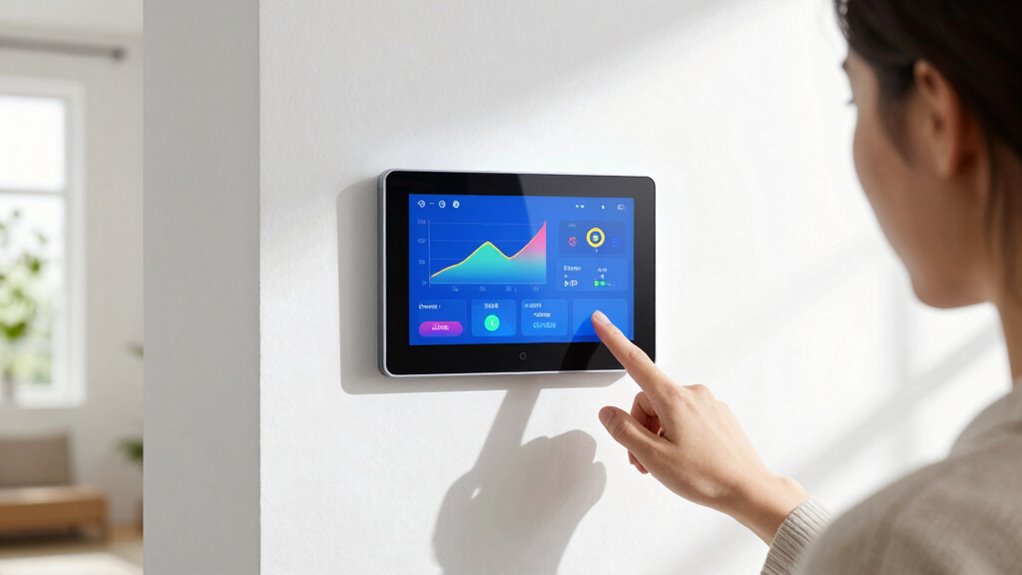
Understanding and using energy reports is essential for tracking your savings with a smart thermostat. These reports give you insight into your energy consumption and help identify usage patterns that impact costs. By reviewing the data regularly, you can see how adjustments in your habits affect your bills and overall efficiency. Look for trends such as high energy use during specific times or rooms, and use this information to make informed changes. Monitoring your energy reports allows you to set realistic goals and measure progress over time.
Review energy reports regularly to identify patterns, optimize habits, and track your savings with your smart thermostat.
- Identify peak energy consumption periods
- Spot inefficient usage patterns
- Adjust habits for better savings
Scheduling Temperatures for Maximum Cost Efficiency
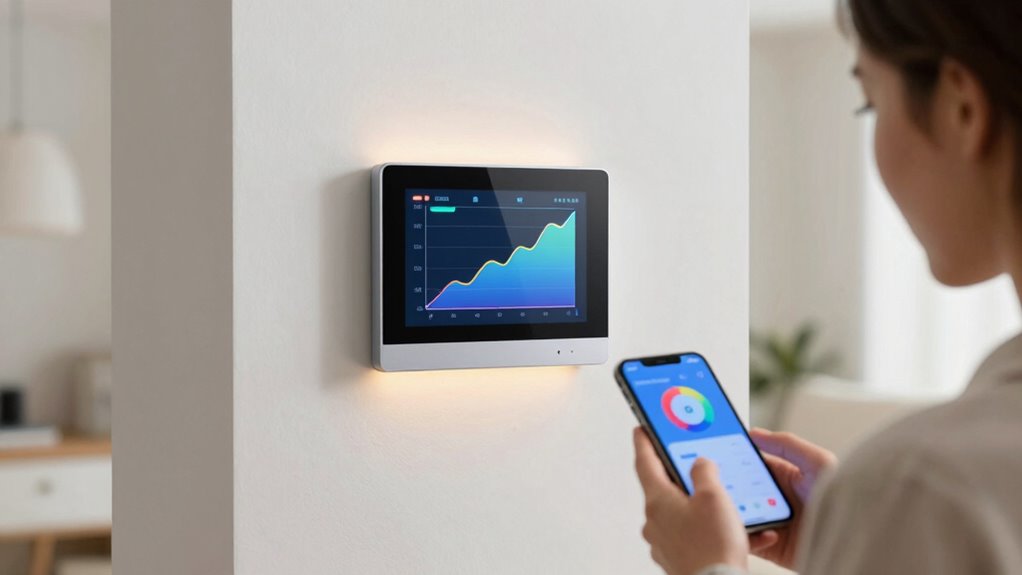
Scheduling temperatures effectively is key to maximizing your smart thermostat’s cost savings. By setting different temperature zones throughout your home, you can guarantee comfort in high-traffic areas while reducing energy use elsewhere. Use seasonal adjustments to lower temperatures during winter or raise them during summer when you’re asleep or away. Program your thermostat to automatically adapt to your routine, lowering heating or cooling when no one’s home and increasing it before you return. This prevents unnecessary energy consumption and cuts costs. Keep in mind that consistent scheduling helps your system run more efficiently, avoiding sudden temperature swings that waste energy. Fine-tuning these schedules over time ensures you’re always balancing comfort with savings, making your smart thermostat a powerful tool for cost-efficient home climate control.
Benefits of Integrating Your Smart Thermostat With Other Devices
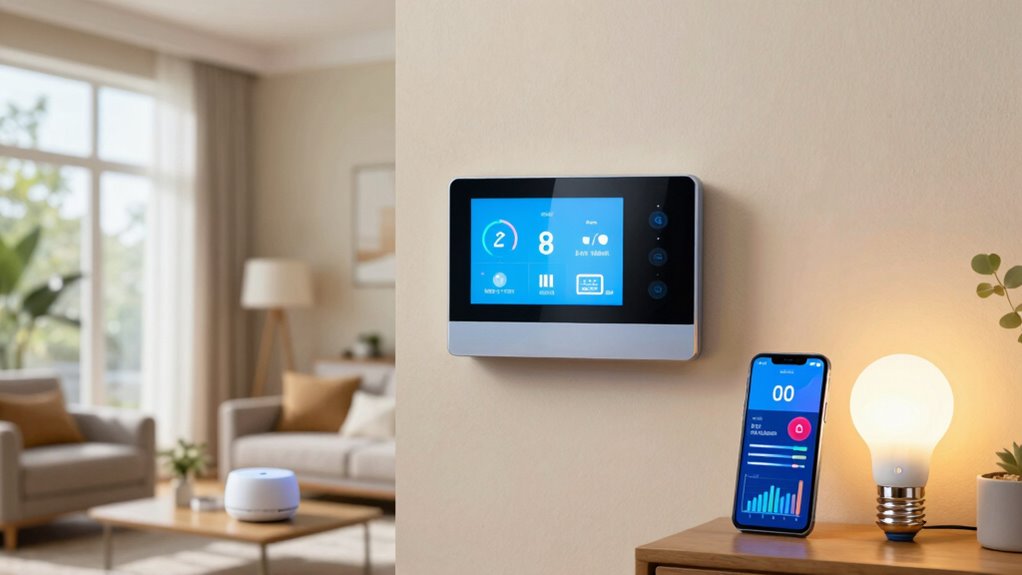
Integrating your smart thermostat with other devices can considerably enhance your home’s energy efficiency and convenience. When devices are compatible, you can automate adjustments based on your routines, weather conditions, or occupancy, reducing waste and lowering bills. This integration allows for seamless control, so your smart home operates more intelligently. However, it’s important to evaluate device compatibility to ensure smooth functionality. Additionally, you should be mindful of user privacy; ensure your data is protected and only shared with trusted devices. By connecting your thermostat to smart security systems or voice assistants, you gain greater control and efficiency.
Connecting your smart thermostat with other devices boosts efficiency, convenience, and security through seamless automation and control.
- Automate heating and cooling based on occupancy sensors
- Use voice commands for quick adjustments
- Enhance security with integrated smart home systems
Controlling Humidity to Boost Energy Savings
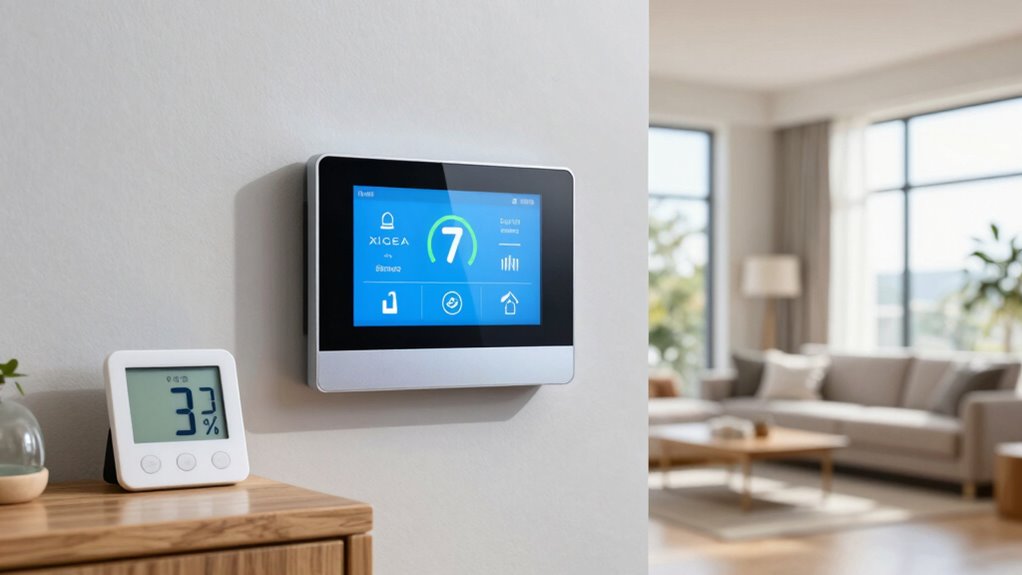
Have you considered how controlling indoor humidity can substantially boost your energy savings? Proper humidity control improves indoor air quality and reduces the strain on your heating or cooling system. When humidity levels are best (around 40-60%), your home feels more comfortable at lower temperatures, saving energy. Use your smart thermostat’s humidity sensors to maintain this balance efficiently.
| Humidity Level | Effect on Energy | Impact on Comfort |
|---|---|---|
| Too high | Overworks AC/HVAC | Causes stuffiness |
| Too low | Dehydrates air | Leads to discomfort |
| Ideal | Saves energy | Enhances comfort |
| Controlled | Optimizes indoor air quality | Maintains balance |
Tips to Get the Most Out of Your Smart Thermostat’s Features
Maximizing the benefits of your smart thermostat involves more than just setting a temperature; it’s about fully utilizing its features to optimize comfort and efficiency. Take advantage of innovative features like scheduling, geofencing, and learning algorithms to adapt your home environment automatically. Use user customization options to tailor settings to your daily routine, ensuring energy isn’t wasted when you’re away or asleep. Regularly review and adjust your schedules based on seasonal changes or new routines. Enable notifications for maintenance or energy usage tips to stay informed and make data-driven decisions. By exploring these features and personalizing your settings, you’ll maximize energy savings and comfort with minimal effort.
Maximize comfort and savings by fully utilizing your smart thermostat’s features and customizing settings to your routines.
- Set personalized schedules for different days or times
- Enable geofencing to adjust temperatures when you’re home or away
- Regularly update your preferences based on usage insights
Frequently Asked Questions
Can Smart Thermostats Improve Indoor Air Quality?
Yes, smart thermostats can improve indoor air quality by optimizing your home’s temperature and humidity levels. They often include ventilation improvement features, which help circulate fresh air and reduce indoor pollutants. By adjusting settings based on your habits and weather conditions, you can maintain better indoor air quality, making your space healthier and more comfortable. This proactive approach guarantees cleaner air and a more pleasant living environment.
Are There Privacy Concerns With Smart Thermostat Data Collection?
While smart thermostats offer convenience, you might worry about data security and user privacy. Rest assured, reputable brands prioritize these issues, implementing encryption and strict privacy policies. However, it’s wise to review device settings and permissions, and stay updated on manufacturer security practices. Being proactive guarantees your data remains protected, so you can enjoy the energy-saving benefits without compromising your privacy.
How Do Smart Thermostats Handle Power Outages?
During power outages, smart thermostats typically rely on a battery backup to maintain basic functions and preserve your settings. Once power is restored, they use power recovery features to automatically resume your preferred temperature schedule. This guarantees your home stays comfortable without manual adjustments. The battery backup provides peace of mind, preventing disruptions, while power recovery helps your system quickly get back to normal once the outage ends.
Can Smart Thermostats Be Used in Rental Properties?
Yes, you can use smart thermostats in rental properties, but you need to take into account rental property compatibility and landlord installation considerations. Check if the thermostat is compatible with the existing HVAC system and get your landlord’s approval before installation. Some models are easy to install temporarily, making them a good choice for tenants looking to control energy costs without permanent modifications. Always communicate with your landlord to avoid issues.
What Maintenance Is Needed for Smart Thermostats?
You need to perform simple maintenance on your smart thermostat, like checking for firmware updates regularly to guarantee it runs smoothly and securely. If your thermostat uses batteries, replacing them when they run low keeps it functioning correctly. Also, clean the device and its sensors periodically to maintain accuracy. Staying on top of firmware updates and battery replacements helps your smart thermostat operate efficiently and saves you money on energy bills.
Conclusion
When you harness your smart thermostat’s features, you’re not just saving money—you’re creating a more comfortable, efficient home. It’s amazing how small adjustments, like auto-learning and geofencing, can add up over time, turning everyday routines into savings. As you watch your energy bills shrink, you realize it’s more than technology; it’s about making smarter choices for your home and your future. Sometimes, the best savings come from simple, intentional changes.
Fall Picks
fall essentials
As an affiliate, we earn on qualifying purchases.