
TL;DR

Get the latest gadgets delivered free with Prime
- Fast, free delivery on millions of items
- Prime Video, Amazon Music and more included
- Member-only deals all year
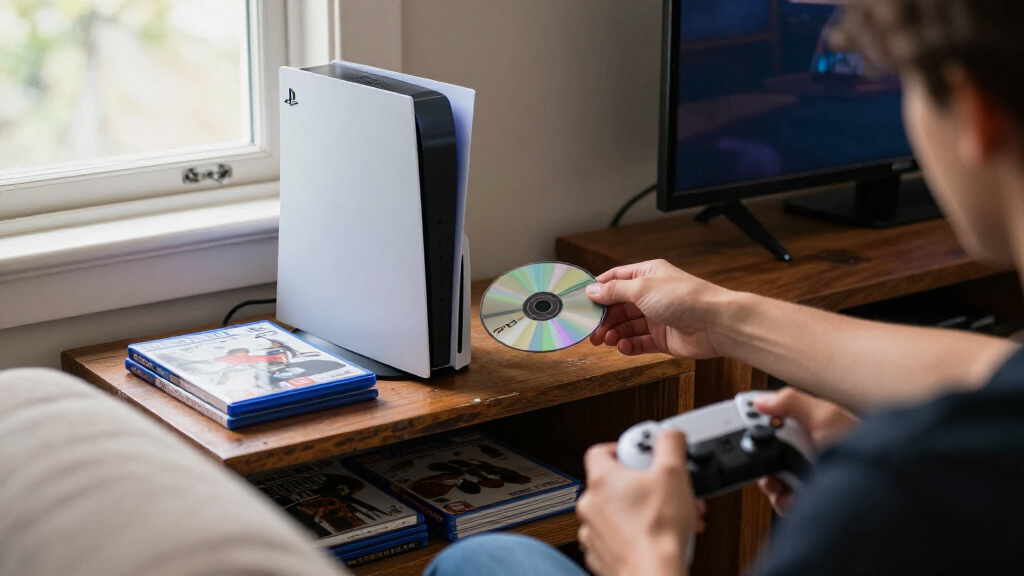
An IGN opinion piece argues that PlayStation’s reported plan to end physical disc production in January 2028 makes player control over purchased games more important. The source links the shift to falling physical sales and rising digital purchases, while warning that digital licenses, delistings and server dependence can limit access. Sony’s stated rationale and the full scope of the reported plan are not detailed in the supplied material.
An IGN opinion piece argues that PlayStation’s reported plan to end physical game disc production in January 2028 highlights the limits of digital purchases and the value of keeping, lending and reselling games. The supplied material describes the plan as a decision by PlayStation, but does not include a Sony statement confirming its scope or rationale.
The piece frames physical games as more than a way to play: a disc can be lent to another person, kept after a storefront listing disappears, or played in the form available at release. It also argues that an offline copy can preserve licensed music or other content that a publisher might later change in an updated digital version. These are arguments made by the author, not guarantees that every disc will work indefinitely or without downloads.
The article distinguishes a digital purchase from unrestricted ownership. It says storefront purchases commonly provide a license to access content, subject to platform and publisher terms, rather than a physical copy controlled solely by the buyer. It points to delisting and server outages as possible reasons access can be disrupted. The source names Spec Ops: The Line, Deadpool and other delisted titles as examples of games that may be difficult to obtain digitally.
To explain the commercial shift, the source cites market figures: consumer spending on physical games was just under $6 billion in May 2016 and barely above $1.5 billion in May of the current year, according to figures presented in the article. It also says PlayStation’s digital share rose from 27 of every 100 games in 2016 to 78 of every 100 in the current year. The excerpt does not identify the data provider or clarify the precise measurement behind those figures.
How Digital Sales Change Player Control
The debate matters because a move away from discs could narrow how players access games: physical copies can often be lent, resold or played after they leave a digital storefront, while digital access can depend on a license, account, platform services or publisher decisions. The exact limits vary by game and system, so neither format guarantees permanent access in every circumstance.
For players, the practical issue is control over a purchase. A delisted title may still be playable by someone who owns a disc, while a digital buyer may have fewer ways to acquire it later. Discs can also be altered by patches and may require downloads, meaning physical ownership does not always preserve a complete or unchanged experience. The source’s broader point is that format affects access and sharing, not simply convenience.
Popular right now

Vitamix 5-Speed Immersion Blender 3-Piece Bundle with Whisk and Storage Case

Samsung 65-Inch The Frame Pro Neo QLED 4K TV (2026) Bundle with Modern Brown Bezel, HDMI Cables, and Home Theater Guide

KitchenAid Artisan 5-Qt Tilt-Head Stand Mixer – Almond Cream (KSM150PS)
As an affiliate, we earn on qualifying purchases.
The Shift Away From Game Discs
The source places PlayStation’s reported plan within a wider move toward digital distribution. Its cited figures show physical spending far below the 2016 level, while the proportion of PlayStation games bought digitally rose over the same period. The article notes that physical spending was up 3% year over year in May of the current year, describing it as the first such annual growth since 2009; the excerpt does not provide the underlying report or define the market covered.
The piece also points to Nintendo’s game-key cards for Switch 2 and Xbox’s reliance on Game Pass as examples of other approaches to digital access. It speculates that a digital-only future console could reduce hardware costs, citing reports about possible PS6 manufacturing expenses and PlayStation executive Hideaki Nishino’s comment that it was “not realistic” for Sony to absorb component-price increases. The source does not establish that Sony has decided to make the PS6 digital-only.
““not realistic””
— Hideaki Nishino, as quoted in the supplied IGN material
Sony’s Disc Plans Need Confirmation
The supplied material does not include a Sony announcement, a link to an official statement, or details defining what “end physical disc production” would cover. It is unclear whether the reported January 2028 date applies to all PlayStation games, particular regions, or specific types of physical media. Sony’s stated explanation is also not available here; the source says the company attributes the shift to consumer trends.
The market figures are presented without a named data source, and the excerpt does not specify whether spending totals cover the same markets or categories in both years. It also does not give the full licensing terms for digital purchases or establish that every delisted game is inaccessible to previous buyers. Those details matter when judging how much access could change.
Watch for Sony’s Official Details
The next key development would be an official Sony statement clarifying whether disc production will end in January 2028 and which products or markets would be affected. Further details on future console hardware, physical-game availability and digital access policies would help distinguish a confirmed company plan from the article’s interpretation and speculation.
Until those details are available, players should treat the reported date and the possible PS6 implications as claims in the supplied source, not as a complete account of Sony’s confirmed policy. The broader questions about lending, delisting, licensing and long-term access remain relevant even if the eventual plan differs.
Key Questions
Has Sony officially confirmed it will stop making game discs in January 2028?
The supplied material reports that date but does not include a Sony announcement confirming it. The plan’s scope and official status are not established by the source excerpt.
Does buying a digital game mean a player owns it outright?
The IGN piece argues that digital storefront purchases generally grant a license to access a game, subject to the applicable terms. Those terms can differ by platform and title, so the article’s broad wording should not be taken as a specific legal ruling.
Why does the article say physical games matter?
It says discs can be lent, kept and sometimes played after delisting, and may preserve a version of a game that later updates could change. Physical copies can still depend on hardware, patches or other conditions, so they do not guarantee uninterrupted access.
Does the report confirm that the PS6 will be digital-only?
No. The source discusses a possible digital-only console as speculation linked to reported hardware costs. It does not provide confirmation from Sony that the PS6 will lack a disc drive.
Source: fediverse