
TL;DR
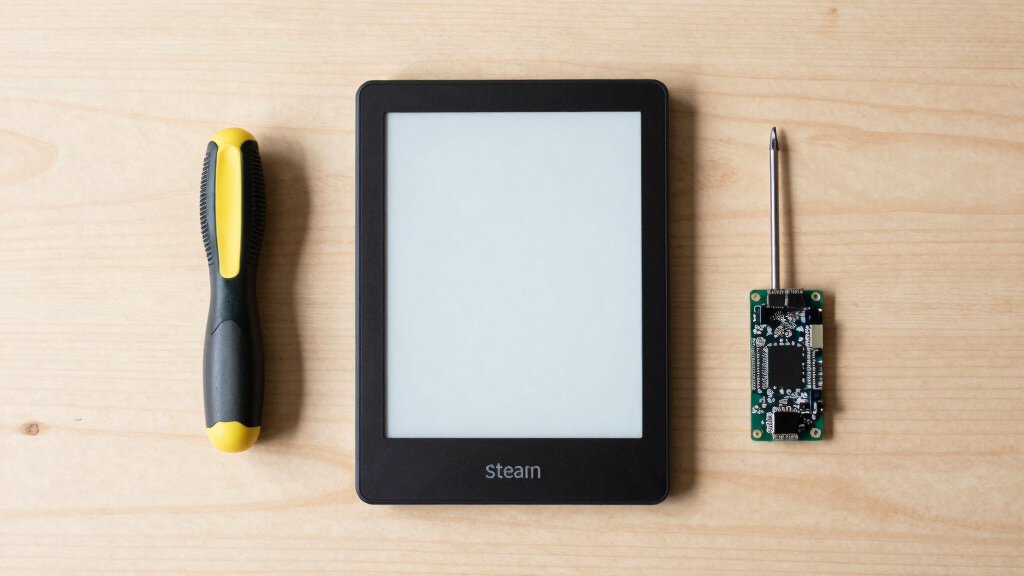
Valve has publicly released the source code and design files for its Steam Machine e-ink screen. This move allows enthusiasts and developers to create their own customizable displays, fostering DIY projects and innovation in gaming hardware.
Valve has officially open-sourced the firmware and design files for its Steam Machine e-ink screen, allowing users and developers to create their own custom displays. This move aims to foster DIY projects and expand hardware customization options within the gaming community, marking a significant shift toward open hardware collaboration by Valve.

Get the latest gadgets delivered free with Prime
- Fast, free delivery on millions of items
- Prime Video, Amazon Music and more included
- Member-only deals all year
Valve announced on March 2024 that it has released the complete source code, schematics, and firmware for the e-ink display used in its Steam Machine prototypes. The files are now available on GitHub, enabling anyone to build, modify, or improve the display hardware. The e-ink screen was originally designed as a low-power, secondary display for Steam Machines, providing system information or notifications.
Valve confirmed that the open-source release includes detailed hardware schematics, firmware source code, and documentation, making it accessible for hobbyists, developers, and hardware enthusiasts. The company emphasized that this is part of its broader initiative to support open hardware development and community-driven projects.
Valve’s move follows a growing trend of tech companies releasing hardware designs to encourage innovation and community engagement. For more context, see this discussion about Valve’s hardware approach. While the company has not announced any commercial plans for the DIY e-ink display, it explicitly invites users to explore similar hardware projects and develop their own versions.
Implications for DIY Hardware and Gaming Communities
This open-source release by Valve is significant because it lowers the barrier for hobbyists and developers to create custom secondary displays for gaming setups or other applications. It encourages innovation in hardware customization and could lead to new uses beyond gaming, such as smart home displays or information dashboards. The move also signals Valve’s willingness to support open hardware initiatives, potentially influencing other companies to follow suit.
Popular right now

eufy C28 Robot Vacuum and Mop for Pet Hair, 15,000 Pa

Apple AirPods Pro 3 Wireless Earbuds with Active Noise Cancellation

Dyson V8 Cyclone Cordless Vacuum
As an affiliate, we earn on qualifying purchases.
Valve’s History with Open Hardware and Community Projects
Valve has a history of engaging with the community through open-source initiatives, including the release of SteamOS and support for Linux gaming. The company’s previous hardware efforts, such as the Steam Controller and Steam Deck, have also been community-influenced. The release of the e-ink screen files continues this trend, aligning with broader industry movements toward open hardware and maker culture. The e-ink display was part of Valve’s experimental Steam Machine prototypes, which aimed to bring PC gaming into living rooms but were discontinued in 2018.
Prior to this, Valve had not released detailed hardware schematics for its proprietary components, making this a notable shift toward transparency and community collaboration.
“We believe in empowering our community with the tools to innovate and customize their hardware experiences. Releasing these files is part of that effort.”
— Valve spokesperson
Remaining Questions About Commercial Plans and Community Adoption
It is not yet clear whether Valve intends to develop or sell its own DIY e-ink displays based on this open-source project. The extent of community engagement and the potential for third-party commercial products remain uncertain. Additionally, the technical complexity of building and programming the display may influence how widely adopted these files become.
Future Developments and Community Projects Expected
In the coming months, community members and developers are likely to experiment with the files, potentially creating custom displays or integrations. Valve may also release updates or additional documentation based on community feedback. Monitoring forums and GitHub repositories will be key to understanding how the project evolves and whether Valve or third parties plan to commercialize or further develop these displays.
Key Questions
Can I legally build and sell my own e-ink display using Valve’s open-source files?
Yes, since Valve has released the design files and firmware under an open-source license, you can legally build and modify the hardware. However, commercial use or resale may be subject to licensing terms specified in the repository—users should review the license details.
Will Valve sell its own version of the DIY e-ink display?
Valve has not announced plans to sell a commercial version of the display. The current release appears aimed at community experimentation and customization rather than commercial distribution.
What skills are needed to build and program the display?
Building and programming the display requires knowledge of hardware assembly, soldering, and embedded programming. The released files include firmware and schematics, but users should have experience with electronics and coding to successfully create their own displays.
Could this lead to new applications beyond gaming?
Yes, the open-source nature of the project could inspire applications in smart home displays, information dashboards, or other custom projects, depending on community interest and development.
Source: hn