
📊 Full opportunity report: The bridge. Why the AI buildout runs on a nuclear story and a gas reality. on ThorstenMeyerAI.com — validation score, market gap, and execution plan.

Get the latest gadgets delivered free with Prime
- Fast, free delivery on millions of items
- Prime Video, Amazon Music and more included
- Member-only deals all year
TL;DR
AI data centers are currently powered mainly by natural gas behind the meter, despite major nuclear deals promising cleaner energy late in the decade. The gap between these timelines shapes the industry’s true emissions profile.
Current AI data center power needs are being met primarily by behind-the-meter natural gas generation, despite recent major nuclear procurement deals by hyperscalers promising cleaner energy supplies arriving late in the decade.
Major tech companies like Meta, Microsoft, Google, and Amazon have signed nuclear agreements totaling up to 6.6 gigawatts, aiming to bring nuclear power online between 2027 and 2035. However, these nuclear projects face significant delays and uncertainties; for example, Microsoft’s Three Mile Island restart is scheduled for 2027 with only 835 megawatts, and no operational SMRs (small modular reactors) are yet in commercial use in the US.
Meanwhile, the immediate power gap—needed to support the rapid growth of AI data centers—is being filled by fossil fuel-based solutions, primarily natural gas turbines, reciprocating engines, and fuel cells. Industry estimates show more than 40 gigawatts of behind-the-meter gas generation planned or under construction, driven by the urgency of powering data centers within 18-24 months.
This disconnect creates a timeline mismatch: nuclear capacity, which is considered the long-term, clean energy solution, is not arriving in time to meet near-term demand. Instead, the industry is building and deploying gas infrastructure now, partly to bypass grid connection delays that can extend up to 13 years in some markets.
The bridge.
Why the AI buildout runs
on a nuclear story and
a gas reality.
to early 2026 · the real rush
2027-2035, grid 3-7 years
generation · near-term mostly gas
(~10M cars) · Cornell analysis
- A data center is built in under two years
- Data center electricity use +17% in 2025, doubling by 2030
- Gartner: 40% of AI data centers electricity-constrained by 2027
- Three Mile Island ~2027 · Oklo ~2030 · Kairos 2030-2035
- No commercial SMR yet operates in the US
- Grid interconnection 3-7 years (up to 13 in Europe)
early 2030s
· mostly gas
The industry leads with the nuclear it has bought for the end of the decade and builds the gas it needs for now — and sites that gas behind the meter where it moves fastest and shows least. The behind-the-meter siting is the tell that the bridge will be here longer than the word implies.Thorsten Meyer · The Bridge · AI Energy 03
Implications of the Nuclear-Gas Timeline Mismatch for AI Energy Sustainability
This divergence between the nuclear procurement narrative and the gas-fueled reality has critical implications for the AI industry’s environmental impact. While hyperscalers are investing heavily in future clean energy through nuclear deals, their immediate power needs are being met with fossil fuels, which significantly impacts their current carbon footprint.
The reliance on gas as a bridge raises questions about the true emissions cost of AI’s rapid expansion. If nuclear projects face further delays, the industry’s emissions could remain high longer than anticipated, challenging claims of progress toward a greener digital infrastructure. Conversely, if SMRs eventually arrive on schedule, the nuclear investments could fulfill their promise, but only in the long term.
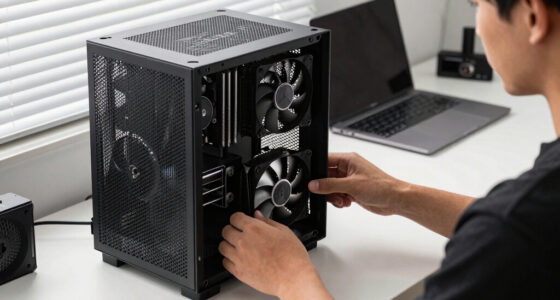
natural gas power generators for data centers
As an affiliate, we earn on qualifying purchases.
As an affiliate, we earn on qualifying purchases.
Nuclear Deals and Gas Buildout: The Industry’s Dual Energy Strategy
In recent months, Meta signed agreements for up to 3.2 gigawatts of nuclear capacity, while Google and others have committed to SMR development, with operational dates stretching into the 2030s. Despite these commitments, actual nuclear capacity additions are slow, with projects like Vogtle experiencing years of delays and cost overruns.
Simultaneously, the industry is rapidly deploying behind-the-meter gas generation, with major companies investing in gas turbines, reciprocating engines, and fuel cells to meet immediate demand. This approach allows data centers to operate without waiting for grid upgrades or nuclear capacity, which are both subject to long delays and regulatory hurdles.
This situation reflects a broader pattern: the industry promotes a future of clean, reliable nuclear power, but the current energy infrastructure relies heavily on fossil fuels to sustain growth.
“The nuclear deals are the story the industry tells; the gas turbines are the infrastructure it builds. The gap between them is a timeline, not a contradiction.”
— Thorsten Meyer
As an affiliate, we earn on qualifying purchases.
Unresolved Questions About the Future of AI Power Supply
It remains unclear whether SMRs will meet their scheduled deployment targets or face further delays, which could prolong the reliance on gas. Additionally, the long-term emissions impact depends on whether nuclear capacity can be ramped up as planned or if the gas infrastructure becomes the de facto energy source for AI expansion.
renewable energy backup systems for data centers
As an affiliate, we earn on qualifying purchases.
As an affiliate, we earn on qualifying purchases.
Next Steps for Aligning AI Power Needs with Clean Energy Goals
Industry stakeholders and policymakers will need to address grid connection delays and accelerate nuclear deployment timelines. Monitoring progress on SMR commercialization and infrastructure development will be critical to understanding if the nuclear narrative can fulfill its promise or if the gas bridge will become the permanent foundation of AI energy infrastructure.
Further, debates around emissions, regulatory hurdles, and technological breakthroughs will shape the future energy mix supporting AI growth.
As an affiliate, we earn on qualifying purchases.
Key Questions
Why is there a gap between nuclear deals and actual power supply?
The gap exists because nuclear projects, especially SMRs, face long development and regulatory delays, while data centers need power immediately. As a result, industry relies on gas turbines to fill the short-term demand.
Is the reliance on gas harmful to climate goals?
Yes, since natural gas is a fossil fuel, its use increases carbon emissions, which conflicts with the industry’s long-term goal of a clean energy transition. The reliance on gas as a bridge may prolong emissions until nuclear capacity is operational.
Will SMRs be able to meet the industry’s needs on time?
It is uncertain. SMRs are still in development, with no commercial units operating in the US yet. Delays are common in nuclear projects, and their timely deployment remains unproven.
How does grid interconnection affect this timeline?
Grid connection delays, which can take up to 13 years in some markets, hinder the integration of new capacity, forcing data centers to rely on on-site gas generation for immediate needs.
What does this mean for the industry’s environmental claims?
While the industry promotes nuclear as a clean solution, the current dependence on gas for power undermines those claims in the near term, raising questions about the true emissions impact of AI expansion.
Source: ThorstenMeyerAI.com
Halloween Picks
halloween
As an affiliate, we earn on qualifying purchases.