
TL;DR

Get the latest gadgets delivered free with Prime
- Fast, free delivery on millions of items
- Prime Video, Amazon Music and more included
- Member-only deals all year
Recent testing on Linux shows measurable differences in input latency between X11 and Wayland, with implications for gaming and VR. The study also examines the impact of VRR and DXVK, but some results are still under analysis.
Recent measurements on Linux systems have confirmed that input latency varies significantly between X11 and Wayland, affecting gaming and virtual reality experiences. This development matters because it impacts user responsiveness and performance optimization for Linux gamers and developers, with ongoing evaluations of VRR and DXVK’s influence.
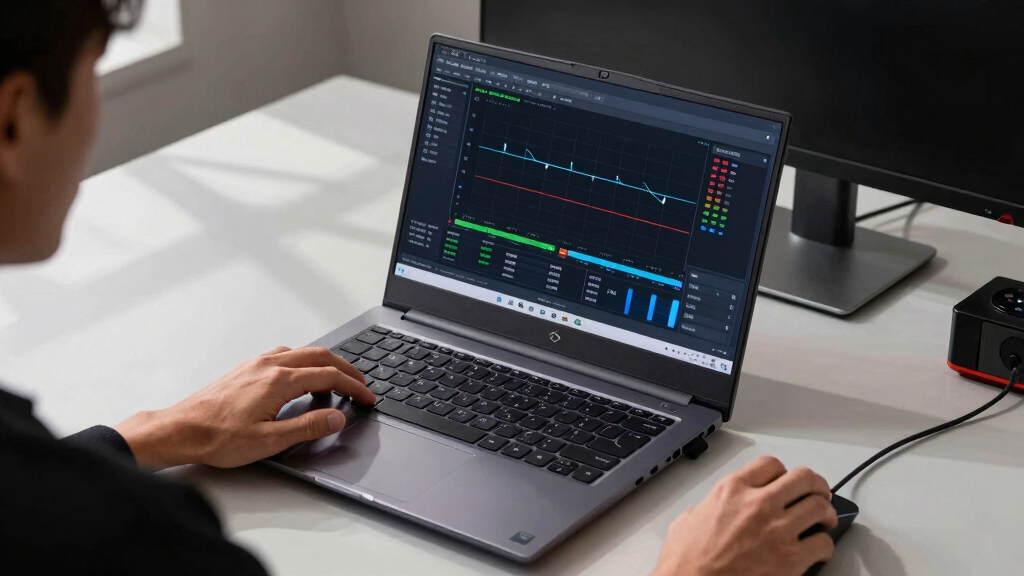
Researchers conducted controlled tests comparing input latency on Linux using the traditional X11 window system and the newer Wayland protocol. The findings indicate that Wayland generally offers lower input latency than X11, which could translate to more responsive gaming and VR experiences. These results are based on measurements taken across multiple hardware configurations, with specific focus on input devices like mice and controllers.
Additionally, the study examined the role of Variable Refresh Rate (VRR) technology and the Vulkan-based translation layer DXVK in latency performance. Preliminary data suggests that enabling VRR can reduce input lag further, but the impact of DXVK varies depending on the game and driver setup. Some tests showed improvements, while others indicated potential increases in latency, leading to ongoing analysis.
It is important to note that the measurements are still being validated, and different hardware and driver configurations may produce different results. The researchers emphasized that the findings are preliminary but offer valuable insights into Linux gaming performance.
Impact of Lower Latency on Linux Gaming and VR
This development is significant because lower input latency enhances responsiveness in gaming and virtual reality applications, leading to more immersive and accurate experiences. Linux users, who have historically faced higher latency issues compared to Windows, may benefit from these findings as they inform future system optimizations and driver improvements. For developers, understanding these differences helps guide the design of more responsive Linux-based gaming environments.
Furthermore, the insights into VRR and DXVK’s effects on latency could influence how gamers configure their systems for optimal performance, especially in competitive or VR contexts. Overall, these measurements could accelerate the adoption of Wayland and improve Linux’s competitiveness in high-performance gaming.
As an affiliate, we earn on qualifying purchases.
Linux Display Server Transition and Performance Challenges
Linux has traditionally used the X11 window system, which has been gradually replaced by Wayland due to security and modern rendering capabilities. The transition has been ongoing for several years, with many distributions now supporting Wayland by default. However, performance differences, particularly in input latency and graphics rendering, have been a point of concern for gamers and VR users.
Previous benchmarks have shown mixed results, with some reports indicating that Wayland can offer lower latency and better synchronization, while others highlight compatibility issues and driver support gaps. The recent study builds on this background, providing more detailed measurements and focusing on specific technologies like VRR and DXVK, which are critical for gaming performance on Linux.
As Linux continues to evolve, understanding how these systems compare in real-world performance remains a priority for developers and users alike.
“Our measurements indicate that Wayland tends to reduce input latency compared to X11 across most tested configurations, which could benefit gamers and VR users.”
— Lead researcher Dr. Alex Chen
As an affiliate, we earn on qualifying purchases.
Measurement Variability and Hardware Dependency
While initial results favor Wayland for lower latency, the measurements are still being validated across different hardware setups. Variations in graphics drivers, input devices, and system configurations mean that these findings may not be universally applicable. It is also unclear how future driver updates or kernel improvements might influence these results, and the impact of DXVK remains inconsistent across different games and setups.
As an affiliate, we earn on qualifying purchases.
Further Testing and Standardization of Latency Metrics
Researchers plan to conduct broader tests across more hardware and software configurations to confirm and refine these initial findings. They aim to develop standardized benchmarking tools for input latency on Linux, which could help users and developers better evaluate system performance. Additionally, ongoing work will explore how upcoming Linux kernel and driver updates influence latency, especially in relation to VRR and DXVK.
Linux input latency measurement tools
As an affiliate, we earn on qualifying purchases.
As an affiliate, we earn on qualifying purchases.
Key Questions
How significant is the difference in input latency between X11 and Wayland?
Preliminary data suggests that Wayland can reduce input latency by several milliseconds compared to X11, which may be noticeable in fast-paced gaming and VR contexts.
Does VRR always improve latency on Linux?
Not necessarily; VRR can lower latency when supported properly, but its effectiveness depends on hardware compatibility and driver support, which vary across systems.
What role does DXVK play in input latency?
DXVK, a Vulkan-based translation layer for Direct3D, can influence latency differently depending on the game and system setup; some tests show improvements, others reveal increased lag.
Are these findings applicable to all Linux distributions?
While the study provides general insights, results may vary based on distribution-specific drivers, kernel versions, and hardware configurations.
When will more definitive results be available?
Further testing is planned over the coming months, aiming to establish standardized benchmarks and confirm the initial findings across diverse setups.
Source: hn
Evergreen bestsellers Picks
bestsellers
As an affiliate, we earn on qualifying purchases.