
TL;DR

Get the latest gadgets delivered free with Prime
- Fast, free delivery on millions of items
- Prime Video, Amazon Music and more included
- Member-only deals all year
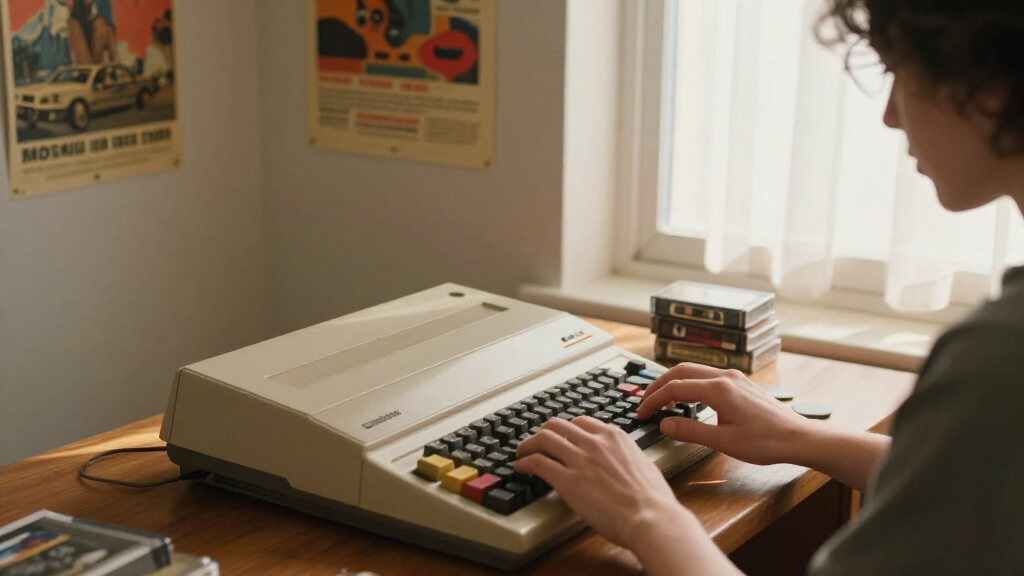
The Commodore 64 was officially launched on September 1, 1982, introducing a new era of affordable home computers. Its release has generated increased interest and is considered a pivotal moment in computing history.
On September 1, 1982, Commodore International officially launched the Commodore 64, a home computer that would go on to become one of the most popular and influential models in computing history. The release marked a significant milestone in making personal computing accessible to a broader audience and is credited with shaping the industry for the next decade.
The Commodore 64, introduced by Commodore International, debuted on September 1, 1982, with a retail price of approximately $595. It featured a 1.023 MHz MOS Technology 6510 microprocessor, 64 KB of RAM, and a distinctive color graphics system, which was advanced for its time. The computer was marketed not only to hobbyists but also to families and educational institutions, aiming to democratize computing power.
Within months of its release, the Commodore 64 gained widespread popularity, driven by its affordability, extensive software library, and robust hardware capabilities. It became a dominant force in the home computer market, outselling competitors like the Atari 800 and the Apple II during the early 1980s. The device’s success helped establish a vibrant software ecosystem, including games, educational programs, and productivity tools.
Market analysts and industry observers have noted that the Commodore 64’s release coincided with a surge in consumer interest in personal computing, which was previously limited to hobbyists and specialized markets. Its affordability and versatility made it a key driver in expanding the user base and influencing future computer designs.
Impact of the Commodore 64’s Launch on Home Computing
The release of the Commodore 64 is widely regarded as a pivotal moment in the history of personal computing. Its combination of affordability, performance, and software availability helped bring computing into millions of homes, fostering a generation of programmers and gamers. The device’s success set a standard for future home computers and contributed to the growth of the software industry.
Industry experts highlight that the Commodore 64’s influence extended beyond hardware, shaping consumer expectations and encouraging other manufacturers to develop more accessible and feature-rich personal computers. Its legacy persists in the form of a dedicated community of enthusiasts and a lasting impact on the evolution of home technology.
As an affiliate, we earn on qualifying purchases.
Background and Industry Environment Before the 1982 Release
Prior to the Commodore 64’s launch, the home computer market was characterized by high prices and limited consumer adoption. The Apple II, introduced in 1977, and the Atari 800, released in 1981, were among the few options available but remained relatively expensive for the average household. The early 1980s saw an increasing interest in personal computing, driven by hobbyists and educational institutions, but widespread adoption was hindered by cost and limited software.
Commodore International, a company initially known for its business-oriented computers, recognized an opportunity to target a broader consumer segment. The company’s previous success with the Commodore VIC-20, launched in 1980, demonstrated the potential for affordable home computers. The C64 was designed to build on this momentum, offering superior graphics and sound capabilities at a competitive price point.
The industry was also witnessing rapid technological advances, with microprocessors becoming more powerful and cheaper. This environment created a fertile ground for the C64’s debut, which combined these technological trends with aggressive marketing and distribution strategies.
As an affiliate, we earn on qualifying purchases.
Unconfirmed Aspects of the Commodore 64’s Market Impact
While the Commodore 64’s popularity is well-documented, the precise extent of its influence on subsequent industry standards and the full scope of its long-term market dominance remains subject to analysis. It is also unclear how quickly competitors responded with comparable or superior products following its launch. Additionally, the detailed sales figures for the initial months are not publicly confirmed, leaving some aspects of its early market performance uncertain.
As an affiliate, we earn on qualifying purchases.
Future Developments and Industry Response Post-Launch
Following the launch, industry analysts expect continued growth in the Commodore 64’s sales, driven by software development and expanding consumer interest. Commodore International is likely to push further marketing efforts and software partnerships to sustain momentum. Meanwhile, competitors are expected to accelerate their own product releases, leading to a competitive environment that could influence pricing, features, and innovation in the home computer space.
In the longer term, the success of the C64 may prompt further industry shifts toward multimedia capabilities and user-friendly interfaces, shaping the evolution of personal computing well into the late 1980s and beyond.
As an affiliate, we earn on qualifying purchases.
Key Questions
Why was the Commodore 64 considered revolutionary?
The Commodore 64 was revolutionary because it combined affordability with powerful hardware features like advanced graphics and sound, making home computing accessible to a broad audience and fostering a large software ecosystem.
How much did the Commodore 64 cost at launch?
The retail price was approximately $595 when it was first released in September 1982.
What kind of software was available for the C64 initially?
Early software included video games, educational programs, and basic productivity tools, which helped drive consumer interest and expand its market reach.
Did the Commodore 64 face immediate competition after its release?
Yes, competitors like the Atari 800 and Apple II were already in the market, and others soon responded with their own models, leading to a competitive landscape for home computers.
What is the legacy of the Commodore 64 today?
The C64 remains a beloved icon among retro computing enthusiasts, with a dedicated community and ongoing interest in its software and hardware innovations.
Source: hn
Fall Picks
fall essentials
As an affiliate, we earn on qualifying purchases.