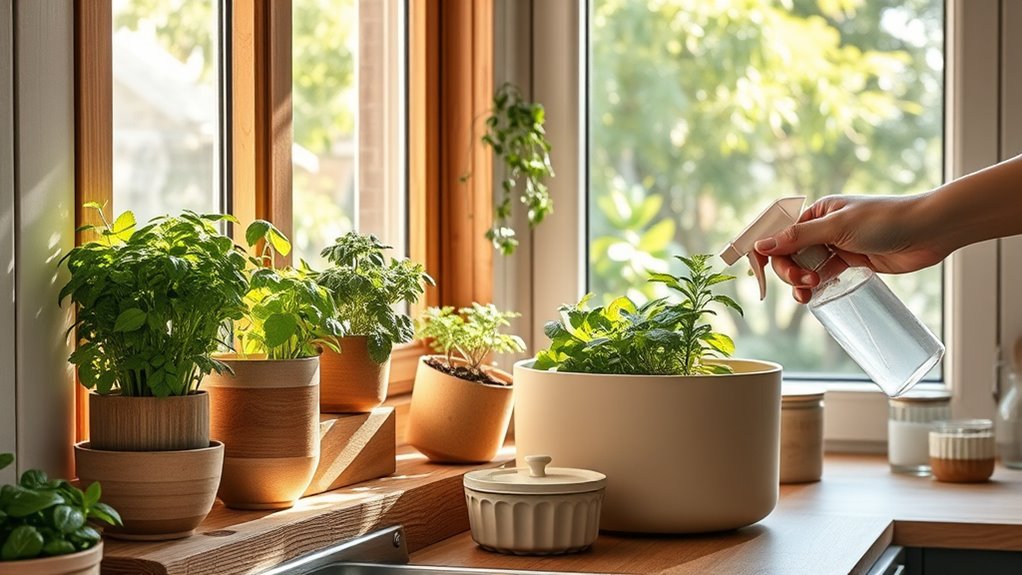

To go green at home in 2026, start by installing solar panels to harness renewable energy and reduce your carbon footprint, saving on energy bills. Combine this with composting kitchen and yard waste to improve soil naturally and minimize landfill waste. Pair these habits with energy-efficient appliances and mindful waste reduction. Making these small changes can profoundly impact your environmental footprint; keep exploring ways to make your home even more eco-friendly.
Key Takeaways
- Install solar panels to harness renewable energy and reduce your carbon footprint.
- Incorporate composting to recycle organic waste and enrich your garden naturally.
- Use energy-efficient appliances and LED lighting to lower household energy consumption.
- Minimize waste by reducing, reusing, and recycling household materials regularly.
- Educate yourself on sustainable practices and adopt eco-friendly habits for long-term benefits.
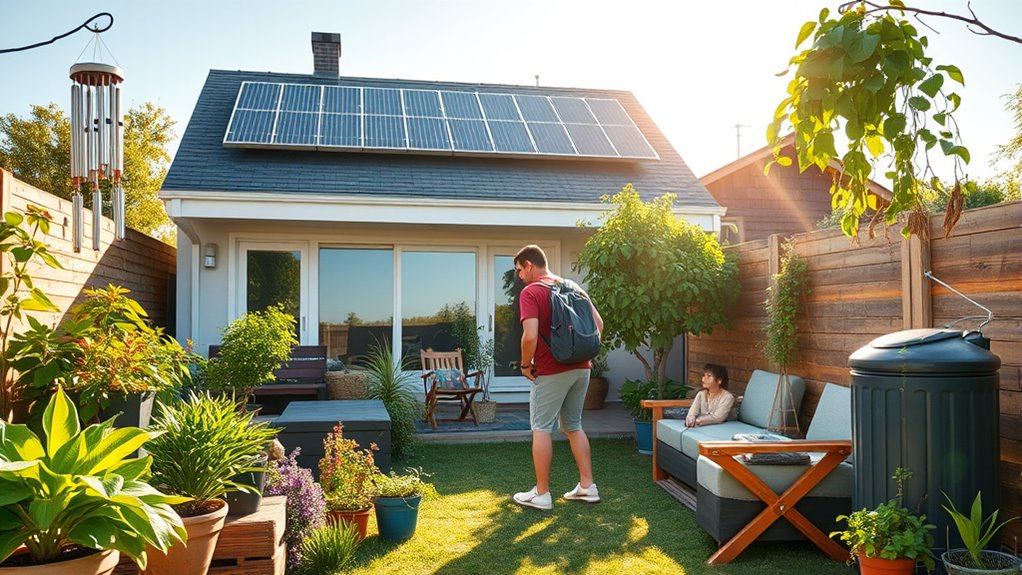
Have you ever wondered how small changes at home can make a big difference for the environment? It’s easier than you might think to reduce your carbon footprint and contribute to a healthier planet. One of the most impactful steps you can take is installing solar panels. These panels harness the sun’s energy, allowing you to generate clean, renewable electricity right from your roof. Not only does this cut down on your reliance on fossil fuels, but it also reduces your energy bills over time. Today’s solar technology is more affordable and efficient than ever, making it a practical choice for many households. Even if you can’t install panels immediately, you can start by researching local incentives or financing options that make going solar more accessible.
In addition to renewable energy, composting is another simple yet powerful way to go green. Composting tips are available to help you turn kitchen scraps and yard waste into nutrient-rich soil, reducing the amount of waste sent to landfills. When you compost, you decrease methane emissions—one of the potent greenhouse gases created when organic waste decomposes in anaerobic conditions. To get started, keep a small bin near your kitchen for fruit peels, coffee grounds, and eggshells. Mix in yard waste like grass clippings and leaves, but avoid meat or dairy, which can attract pests. Regularly turning your compost helps it decompose faster and keeps it aerated. Understanding renewable energy technologies can further enhance your eco-friendly efforts, making your home more sustainable. Over time, you’ll produce compost that can enhance your garden’s health naturally, reducing the need for chemical fertilizers.
Both solar panels and composting are accessible and effective ways to make your home more eco-friendly. Incorporating solar energy can considerably lower your carbon emissions, especially if you pair it with energy-efficient appliances and lighting. Meanwhile, composting tips help you minimize waste and create a sustainable cycle for your garden. These habits don’t require drastic lifestyle changes but do demand a bit of commitment and education. As you become more familiar with these practices, you’ll start noticing the positive impact on the environment and your utility bills. Plus, you’ll contribute to a broader movement of people making conscious choices for a greener future.
Frequently Asked Questions
How Can I Reduce Water Usage in My Home Effectively?
You can reduce water usage effectively by installing low flow fixtures, which cut down on water waste during daily activities. Additionally, setting up rainwater harvesting systems allows you to reuse natural water for gardening and outdoor needs. Be mindful of your habits too—turn off taps when not in use and fix leaks promptly. These small changes make a big impact on conserving water and supporting eco-friendly living.
What Are the Best Sustainable Materials for Home Renovations?
Imagine you’re living in a future where sustainability is key. You should prioritize sustainable wood, which comes from responsibly managed forests, and recycled metal, reducing waste and conserving resources. These materials are durable, eco-friendly, and stylish for home renovations. Using sustainable wood and recycled metal helps lower your carbon footprint while creating a beautiful, modern space. It’s like having a time machine that benefits the planet today and tomorrow.
How Do I Compost Indoors Without Odors?
To compost indoors without odors, you should use a dedicated indoor compost bin with a tight-sealing lid. Layer food scraps with dry materials like shredded paper or coffee grounds to absorb moisture. Regularly empty and clean the bin, and consider adding odor control products like baking soda or charcoal filters. Proper ventilation and maintaining a balanced mix of green and brown waste help keep your indoor composting odor-free and efficient.
What Are Low-Energy Appliances That Really Save Money?
You can save money with energy-efficient lighting like LED bulbs, which use up to 75% less energy and last longer. Smart power strips also cut standby power, preventing energy waste from plugged-in devices. These appliances not only reduce your electricity bills but also lower your carbon footprint. Switching to these low-energy options is a simple, effective way to save money while making your home more eco-friendly.
How Can I Encourage Family Members to Adopt Eco-Friendly Habits?
You can’t just ask your family to go green and expect miracles, right? Instead, make it fun with eco-friendly rewards and involve everyone in the process. Turn chores into challenges, celebrate small wins, and show how their efforts save money and the planet. Encourage family involvement by sharing progress and rewarding eco-friendly habits. Soon, they’ll be champions of sustainability, all while having a good laugh along the way!
Conclusion
By adopting eco-friendly habits at home, you actively reduce your carbon footprint and contribute to a healthier planet. Think of your efforts as planting seeds—each small change, like saving energy or reducing waste, grows into a bigger impact over time. Just like a tree provides shade and shelter, your sustainable choices create a better environment for everyone. Embrace these habits now, and watch how your simple actions can lead to a greener, more sustainable future.