
📊 Full opportunity report: Women’s Health Radar on IdeaNavigator AI — validation score, market gap, and execution plan.

Get the latest gadgets delivered free with Prime
- Fast, free delivery on millions of items
- Prime Video, Amazon Music and more included
- Member-only deals all year
TL;DR
A digital health startup is developing a mobile app to detect early signs of perimenopause in women aged 40-58. The tool uses symptom logging and AI pattern detection to flag likely transition signals, aiming to improve diagnosis and care access.
A new digital health app called Women’s Health Radar is in development to help women aged 40-58 identify early signs of perimenopause. The app uses symptom tracking and AI pattern analysis to flag potential transition signals, aiming to improve diagnosis and access to care. This development comes as the menopause category experiences rapid growth and increased insurance coverage, making early detection more feasible and relevant.
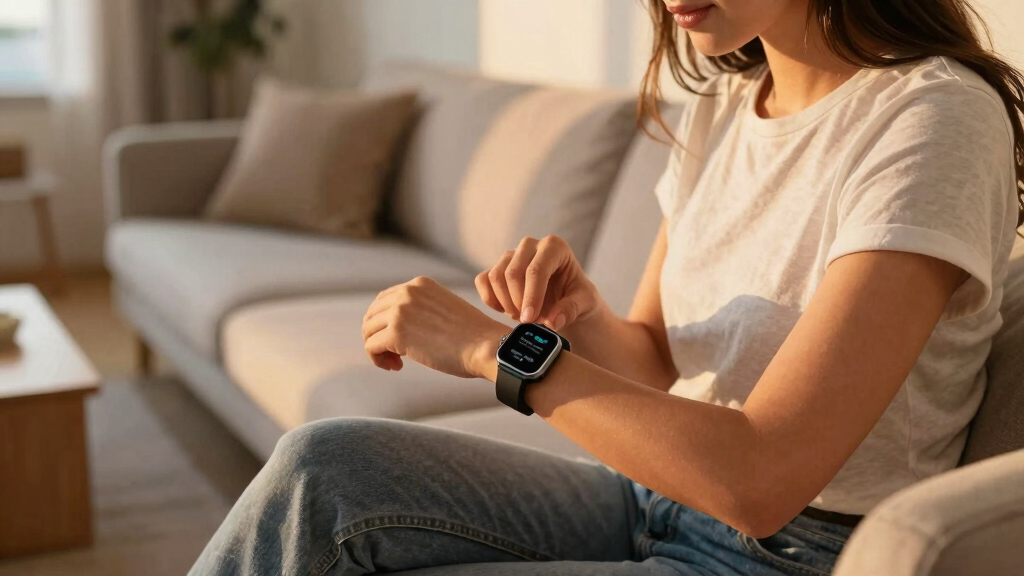
The proposed women’s health radar is designed as a mobile app where women log daily symptoms such as sleep quality, mood, menstrual cycle irregularities, hot flashes, and energy levels. Optional wearable data can also be integrated. Using a rules-based and machine learning algorithm, the app compares logged patterns against validated perimenopause symptom scales to identify likely transition signals early. It then generates a shareable, clinician-ready symptom summary and suggests routing women to covered telehealth or local menopause specialists.
This tool is positioned as an educational pattern detection system, not a diagnostic device. It aims to address the widespread issue of misattributed symptoms, which often go undiagnosed or untreated for years due to limited menopause training among primary-care providers and social taboos surrounding menopause. The initiative is targeting women in the 40-58 age group, with secondary prospects among employers and health plans seeking to reduce attrition and absenteeism linked to menopause symptoms.
The MVP will be validated through a 4-6 week landing page and waitlist test, measuring engagement metrics such as quiz completion, ongoing symptom tracking, and click-through rates for clinician summaries or telehealth referrals. A successful signal would be more than 25% of quiz takers opting into ongoing tracking and over 10% requesting referrals, indicating market interest and usability.
Implications for Women’s Healthcare Access
This initiative could significantly improve early detection of perimenopause, enabling timely treatment and reducing the physical and emotional toll on women. It also aligns with broader trends in femtech and digital health, where accessible, AI-driven tools are expanding care options outside traditional clinical settings. For employers and insurers, this could translate into reduced absenteeism and attrition, making menopause support a strategic component of workforce wellness programs. Ultimately, the app aims to fill a critical gap in women’s health management, potentially transforming how perimenopause is identified and managed.
Popular right now

LG 85-inch QNED75B Mini LED Smart TV Bundle with HDMI and CPS Protection Plan

Sony WH-1000XM4C Wireless Noise-Cancelling Headphones, Black

KitchenAid Artisan 5-Quart Tilt-Head Stand Mixer, KSM150PS, Almond Cream
As an affiliate, we earn on qualifying purchases.
Growing Focus on Menopause in Digital Health
Menopause has shifted from a taboo topic to a rapidly expanding vertical in femtech, with companies like Midi Health reaching a $1 billion valuation in early 2026. Most major PPO insurers now cover virtual menopause consultations, reflecting increased acceptance and recognition of menopause as a significant health concern. Despite this progress, many women remain undiagnosed or misdiagnosed due to limited primary-care training and social stigmas. Digital tools leveraging wearables, validated symptom scales, and AI pattern detection are emerging as promising solutions to bridge this gap and facilitate early intervention.
The proposed Women’s Health Radar builds on these trends, aiming to provide a scalable, accessible way to flag early perimenopause signals before symptoms significantly impact quality of life or work performance. The approach aligns with the broader shift toward personalized, digital health management for women’s health issues.
“Early detection of perimenopause symptoms through digital means could revolutionize women’s health management.”
— an anonymous researcher
Uncertainties Around Validation and Adoption
It is not yet clear how accurately the app’s AI pattern detection will identify true perimenopause signals in diverse populations. The validation process relies on engagement metrics during a short pilot, and real-world effectiveness remains to be proven. Additionally, user acceptance, privacy concerns, and integration into existing healthcare pathways are still uncertain and will require further testing and refinement.
Next Steps for Testing and Market Entry
The development team plans to launch a 4-6 week landing page campaign targeting women aged 40-55, offering a free ‘perimenopause symptom radar’ quiz based on validated scales. They will measure engagement, symptom tracking continuation, and interest in clinician summaries or referrals. If results meet the success criteria, the app will proceed to a pilot phase with broader testing and potential partnerships with insurers and employers to facilitate deployment and integration into existing care pathways.
Key Questions
How will the app differentiate between perimenopause and other health issues?
The app uses validated symptom scales and pattern detection algorithms designed specifically for perimenopause, but it will not provide diagnoses. Instead, it flags likely signals and recommends consulting healthcare providers for confirmation.
Will the app replace medical diagnosis?
No, the app is positioned as an educational and pattern-detection tool, not a diagnostic device. It aims to facilitate early identification and referral to healthcare professionals.
Who can access the app and how will it be funded?
The app will be available via a freemium subscription model for consumers, with additional licensing options for employers and health plans seeking to offer menopause benefits. Referral economics into telehealth and HRT providers are also planned but disclosed as non-affiliate at MVP stage.
What are the privacy considerations for users?
Details are still being finalized, but user data privacy and security will be prioritized, with clear consent and data handling policies aligned with healthcare standards.
Source: IdeaNavigator AI