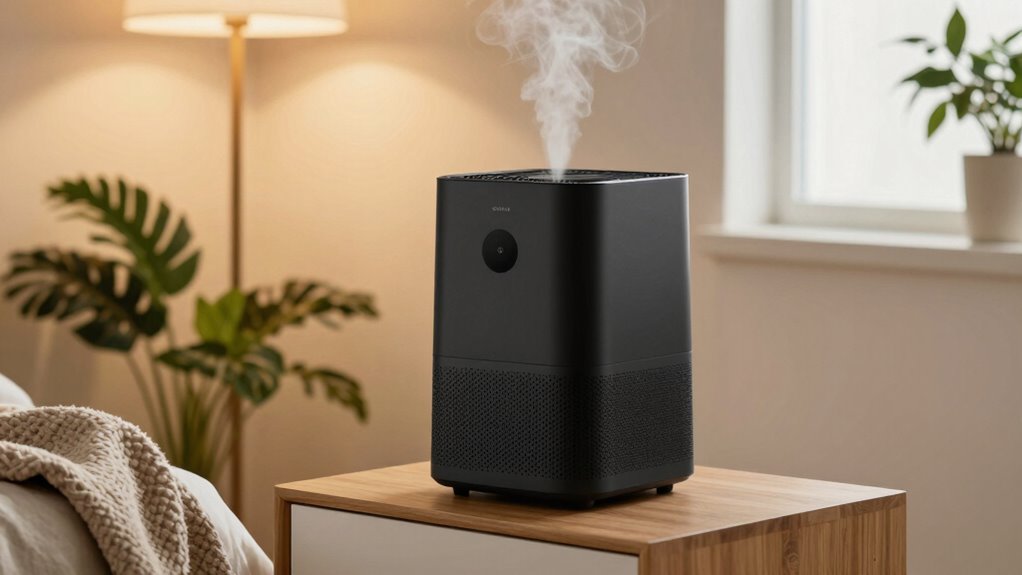
Most people start with the wrong device because they don’t identify if their main issue is dry air or airborne pollutants. If your skin feels dry, sore throats are common, or static electricity is high, a humidifier is your best bet. But if you struggle with allergies, dust, or pollution, an air purifier will work better. Knowing your true indoor air concern helps you choose smarter. Keep exploring to find out how to pick the right solution for your needs.

Get the latest gadgets delivered free — and shop member deals
- Fast, free delivery on millions of items
- Access to Prime Big Deal Days deals on October 6–7
- Prime Video, Amazon Music and more included
Key Takeaways
- Determine if dry air or airborne pollutants are your main concern before choosing a device.
- Most people start with a humidifier for dry air issues, which may not address pollution.
- Use an air purifier if allergy symptoms or airborne pollutants are the primary problem.
- Combining both can provide comprehensive indoor air quality improvement.
- Proper maintenance is essential to prevent device-related air quality issues.
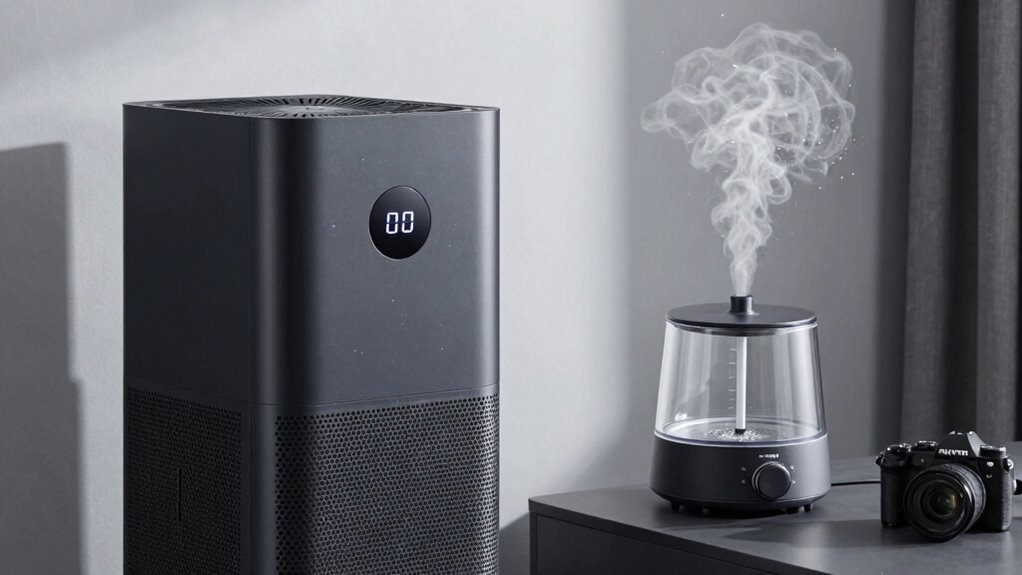
Are you unsure whether a humidifier or an air purifier is the right choice for your home? Many people face this dilemma because they want to improve their living environment, but they often start with the wrong device. The key lies in understanding what each device does and how it impacts air quality and health benefits.
If your main concern is dry air, especially during winter or in arid climates, a humidifier is your best option. It adds moisture to the air, which can alleviate issues like dry skin, sore throats, and nasal congestion. But beyond comfort, a humidifier can also positively influence air quality by reducing static electricity and preventing the spread of airborne viruses that thrive in dry conditions. The health benefits of maintaining proper humidity levels are significant—less irritation in your respiratory system and a decrease in airborne allergens that can exacerbate asthma or allergies. However, if you choose a humidifier, be mindful of cleaning it regularly to prevent mold and bacteria growth, which could worsen air quality instead of improving it.
On the other hand, if your primary concern is airborne pollutants—dust, pet dander, pollen, smoke, or germs—an air purifier is the device to consider. It actively filters the air, trapping particles and contaminants, thereby directly improving air quality. This can lead to clearer breathing and fewer allergy symptoms, especially if anyone in your household suffers from respiratory issues. Air purifiers with HEPA filters are particularly effective at removing tiny particles, offering immediate health benefits. They help create a cleaner indoor environment, reducing the presence of airborne pathogens and allergens, which is essential for maintaining overall health and well-being. Additionally, understanding air quality factors can help you choose the most suitable device for your needs. Keeping informed about indoor air quality can further ensure you select the right equipment to promote a healthier home environment.
Most people start by purchasing a humidifier when their main problem seems to be dry air, but that might not address the root cause of their health concerns. Conversely, an air purifier tackles air pollution but doesn’t add moisture, so it won’t help if your problem stems from dry air. To get the most extensive improvement in your indoor environment, consider what your specific needs are. If you’re battling dryness and related discomfort, a humidifier is the way to go. If allergens or pollution are your biggest issues, an air purifier will bring more immediate benefits. In some cases, combining both devices provides the best solution for ideal air quality and health benefits, ensuring your home remains a safe, comfortable space.
As an affiliate, we earn on qualifying purchases.
Frequently Asked Questions
Can a Device Be Both a Humidifier and an Air Purifier?
Yes, some devices offer dual functionality as both humidifiers and air purifiers. These combined devices are designed to improve air quality and add moisture simultaneously, making them convenient for small spaces. You benefit from cleaner, more comfortable air without needing separate units. Just make certain you select a high-quality model with effective filtration and humidification features. This way, you get the advantages of both functions in one versatile device.
Which Is More Energy-Efficient: Humidifiers or Air Purifiers?
Like the steady heartbeat of a forest, a humidifier generally uses less energy than an air purifier. With lower energy consumption and a favorable cost comparison, humidifiers run quietly and efficiently, especially if your goal is to maintain moisture rather than air quality. Air purifiers, while more effective at filtering pollutants, tend to consume more power, making them less energy-efficient for everyday use.
Are There Health Risks Associated With Using Either Device Incorrectly?
Using either device incorrectly can pose health risks and impact user safety. If you don’t clean humidifiers regularly, mold and bacteria could spread, leading to respiratory issues. With air purifiers, failing to change filters can release trapped pollutants back into your air. Always follow manufacturer instructions for maintenance. Proper use minimizes health implications, ensuring you get clean, safe air without risking allergic reactions, asthma flare-ups, or other health problems.
How Often Should I Replace Filters or Water in These Devices?
You should replace filters every 3 to 6 months, depending on usage and filter lifespan, to keep your device working like new. Water in a humidifier needs changing daily, or it could turn into a breeding ground for bacteria! Don’t let your filters or water sit too long, or you risk contamination and reduced effectiveness. Regular replacement keeps your air clean and your device performing at its best.
Can These Devices Eliminate All Indoor Allergens and Pollutants?
No, these devices can’t eliminate all indoor allergens and pollutants, but they markedly improve indoor air quality and allergen removal. Air purifiers with HEPA filters are especially effective at capturing dust, pollen, and pet dander, while humidifiers help reduce airborne irritants by maintaining ideal humidity levels. For best results, use both devices together and regularly replace filters or water, ensuring ongoing effectiveness in enhancing your indoor environment.
humidifier for dry skin and sore throat
As an affiliate, we earn on qualifying purchases.
As an affiliate, we earn on qualifying purchases.
Conclusion
Choosing between a humidifier and an air purifier depends on your specific needs, but did you know that over 60% of indoor air quality issues stem from dryness or pollutants? Getting it right can markedly improve your comfort and health. By understanding your environment, you can pick the right device and enjoy cleaner, more balanced indoor air. Don’t guess—make an informed choice to breathe easier and feel better every day.
As an affiliate, we earn on qualifying purchases.
ultrasonic humidifier for large rooms
As an affiliate, we earn on qualifying purchases.
As an affiliate, we earn on qualifying purchases.
Halloween Picks
halloween
As an affiliate, we earn on qualifying purchases.