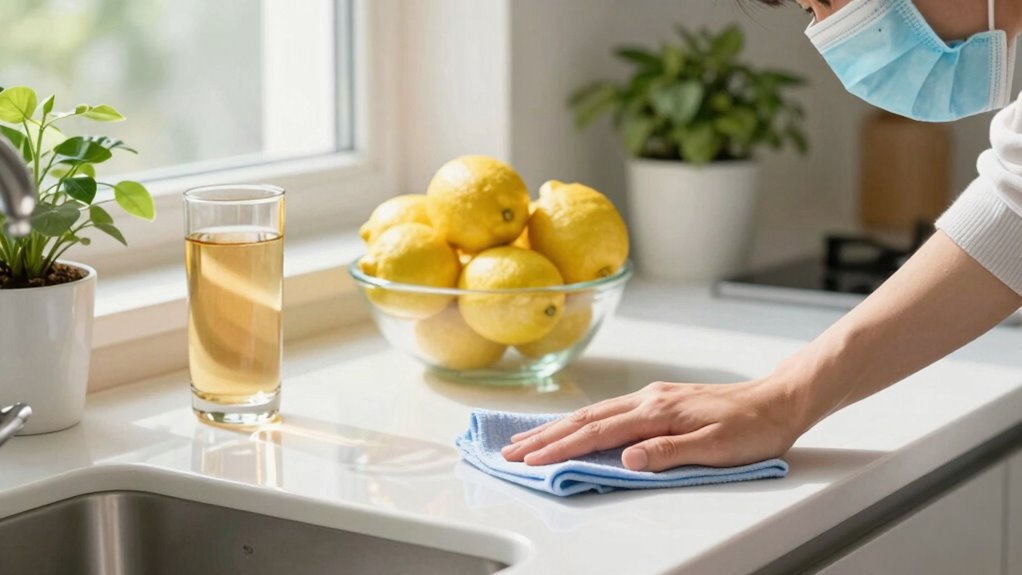

To ease seasonal allergy discomfort daily, start by incorporating herbal teas like nettle or ginger to reduce inflammation, and use saline nasal sprays to clear allergens. Keep indoor air clean by changing filters and using HEPA filters, especially during pollen season. Limit outdoor time during peak pollen hours, and shower after outdoor activities to remove pollen. Maintain a routine with these habits, and you’ll find relief—continue exploring ways to make allergy management easier.

Get the latest gadgets delivered free with Prime
- Fast, free delivery on millions of items
- Prime Video, Amazon Music and more included
- Member-only deals all year
Key Takeaways
- Incorporate herbal teas like nettle or ginger into daily routines to reduce inflammation and soothe airways.
- Use HEPA filters, change air filters regularly, and keep windows closed during high pollen seasons to improve indoor air quality.
- Shower and change clothes after outdoor activities to remove pollen from skin and hair, minimizing indoor allergen spread.
- Keep living spaces clean with damp cloths, frequent bedding washes, and dehumidifiers to control dust and mold allergens.
- Develop a personalized allergy management plan with natural remedies and environmental controls for ongoing symptom relief.

As the seasons change, allergy symptoms can quickly become overwhelming, making it hard to enjoy the outdoors or even focus on daily tasks. Luckily, small daily habits can make a significant difference in easing your discomfort. One effective approach is to incorporate natural remedies into your routine. For instance, drinking herbal teas like nettle or ginger can help reduce inflammation and soothe your airways. Using saline nasal sprays or rinses flush out allergens and keep your nasal passages clear. Additionally, consuming foods rich in quercetin, such as apples, onions, and berries, can stabilize your mast cells and prevent allergy symptoms from worsening. These natural remedies provide gentle relief without the side effects associated with medication.
Alongside natural remedies, lifestyle adjustments are crucial in managing allergy symptoms. You should aim to keep indoor air as clean as possible by regularly changing air filters and using high-efficiency particulate air (HEPA) filters. When outdoor pollen counts are high, limit your time outside—especially during the early morning hours when pollen levels peak. Showering and changing clothes after outdoor activities help remove pollen from your skin and hair, preventing it from spreading indoors. Keeping windows closed and running air conditioning can help prevent pollen from entering your home, creating a cleaner environment for you to breathe freely. Incorporating air quality management strategies can significantly improve your allergy relief efforts. Regularly monitoring local pollen forecasts can help you plan outdoor activities more effectively and minimize exposure. Using air filtration devices in your home can further reduce airborne allergens and improve overall air quality.
Keep indoor air clean by changing filters, using HEPA filters, and keeping windows closed during high pollen seasons.
Another important lifestyle adjustment involves managing dust and mold, which can exacerbate allergy symptoms. Regularly dust your living space with a damp cloth to prevent stirring up allergens, and make sure to clean your bedding frequently in hot water. Using a dehumidifier can also help reduce mold growth in damp areas like basements and bathrooms. Incorporating gentle exercises like yoga or stretching into your daily routine can improve your respiratory health and overall well-being, helping your body better cope with allergy-related inflammation. Establishing a consistent allergy management routine ensures that these practices become a regular part of your daily life, leading to more sustained relief. Creating a personalized allergy plan with the help of a healthcare provider can further optimize your efforts.
Finally, establishing consistent habits is key. Set a daily schedule that includes natural remedies and environmental controls. This consistency helps your body adapt and reduces surprise flare-ups. Staying proactive with these simple lifestyle adjustments and natural remedies can empower you to take control of your allergy symptoms, making it easier to enjoy the beauty of the changing seasons without constant discomfort. Remember, small but deliberate changes in your daily habits can lead to significant relief over time.
Popular right now

Ninja DualZone Smart Air Fryer, 10 Qt, 6-in-1, DZ950

LG 85-inch QNED75B Mini LED Smart TV Bundle with HDMI and CPS Protection Plan

Sony WH-1000XM4C Wireless Noise-Cancelling Headphones, Black
As an affiliate, we earn on qualifying purchases.
Frequently Asked Questions
Can Lifestyle Changes Fully Eliminate Seasonal Allergy Symptoms?
Lifestyle changes alone can’t fully eliminate seasonal allergy symptoms, but they markedly reduce your discomfort. Using an air purifier benefits your indoor air quality, helping trap pollen and allergens. Combining this with allergy medication options, like antihistamines or nasal sprays, offers more relief. Consistent daily habits, such as showering after outdoor exposure and keeping windows closed, work together to lessen allergy symptoms, though complete elimination isn’t guaranteed.
Are There Specific Foods That Worsen Allergy Symptoms?
Certain foods can worsen your allergy symptoms, especially if they act as food triggers. Common culprits include dairy, which can increase mucus production, and processed foods high in preservatives. To reduce discomfort, make dietary adjustments by avoiding these trigger foods and opting for anti-inflammatory options like fruits, vegetables, and nuts. Being mindful of your diet helps manage allergy symptoms better and supports overall health.
How Do Indoor Plants Affect Allergy Severity?
Indoor plants can affect allergy severity, especially if they release pollen or mold spores into indoor air. Plant varieties like ferns or succulents are less likely to aggravate allergies, but others like flowering or mold-prone plants can worsen symptoms. To minimize indoor air allergens, choose low-pollen, mold-resistant varieties, keep plants clean, and promote good ventilation, helping you breathe easier during allergy season.
Is It Safe to Exercise Outdoors During High Pollen Season?
Exercising outdoors during high pollen season can feel like battling a relentless allergy storm, but it’s possible to stay safe. Check pollen levels daily; if they’re high, consider exercising indoors or during early mornings when pollen is lower. Always wear sunglasses and a mask if needed. Prioritize your exercise safety by listening to your body, and consult your doctor if allergies worsen. Small precautions help you enjoy outdoor activity without risking allergy flare-ups.
Do Allergy Symptoms Differ Between Age Groups?
Yes, allergy symptoms can differ between age groups due to age-specific reactions to pollen exposure. Children might experience more nasal congestion and itchy eyes, while adults often report sneezing and asthma symptoms. Seniors may have less intense reactions but are more prone to complications. Understanding these differences helps you tailor your allergy management, ensuring you address age-specific reactions effectively and minimize discomfort during high pollen seasons.
Conclusion
By adopting simple daily habits like showering after outdoor activities and keeping your windows closed, you can considerably reduce allergy symptoms. Think of it as creating a barrier between you and the allergens outside—like wearing a raincoat in a storm. Sure, it might seem minor, but these small changes add up. With consistent effort, you’ll notice relief and enjoy spring’s beauty without the sneezes and itchy eyes. Start today, and breathe easier tomorrow.