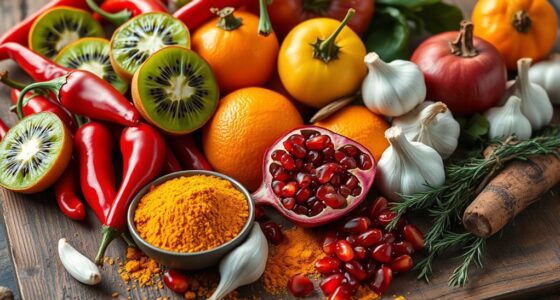

To strengthen your heart in 2026, focus on making simple lifestyle changes. Adopt a heart-healthy diet rich in fruits, vegetables, whole grains, and lean proteins, while cutting back on processed foods and added sugars. Increase your physical activity with moderate exercises like walking or cycling most days. These small, consistent steps can boost your overall heart health, manage blood pressure, and lower cholesterol. Keep exploring to discover even more effective ways to support your heart’s resilience.
Key Takeaways
- Adopt a heart-healthy diet rich in fruits, vegetables, whole grains, lean proteins, and healthy fats like olive oil.
- Engage in at least 150 minutes of moderate exercise weekly, such as walking or cycling.
- Reduce processed foods, saturated fats, and added sugars to lower heart disease risk.
- Plan meals ahead to ensure nutritious choices and develop sustainable healthy habits.
- Incorporate consistent physical activity and dietary improvements for long-term heart strength.

Have you ever wondered how to keep your heart healthy? The good news is, small lifestyle changes can make a big difference. One of the most effective ways to support your heart is by adopting a Mediterranean diet. This eating plan emphasizes fruits, vegetables, whole grains, lean proteins like fish and poultry, nuts, seeds, and healthy fats such as olive oil. It’s not about strict restrictions but about choosing nutrient-rich foods that promote cardiovascular health. By reducing your intake of processed foods, saturated fats, and added sugars, you lower your risk of developing heart disease. Incorporating more plant-based meals into your routine can also help manage blood pressure and cholesterol levels. Remember, risk assessment is key—making these healthy food choices daily will gradually improve your heart’s strength and resilience.
Alongside your diet, engaging in regular exercise plays a crucial role in maintaining a healthy heart. You don’t need to spend hours at the gym; even moderate activities like brisk walking, cycling, swimming, or dancing can significantly boost your cardiovascular health. Aim for at least 150 minutes of moderate-intensity exercise each week, which is about 30 minutes most days. When you stay active, your heart becomes stronger and more efficient at pumping blood, which helps reduce blood pressure and maintain healthy cholesterol levels. Exercise also helps control weight, manage stress, and improve sleep—all of which are essential for heart health. If you’re new to physical activity, start slow and gradually increase intensity and duration to prevent injury and build endurance.
Making these changes doesn’t have to be overwhelming. Combine the Mediterranean diet with regular exercise, and you’ll create a powerful one-two punch against heart disease. Planning your meals ahead of time can help you stick to nutritious choices, while finding physical activities you enjoy makes it easier to stay consistent. Remember, small steps add up over time, and the key is to develop habits that fit into your daily life. Prioritizing your heart health now sets you up for a stronger, healthier future. By nourishing your body with wholesome foods and keeping active, you’re giving your heart the best chance to thrive in 2026 and beyond.
Frequently Asked Questions
Can Certain Medications Improve Heart Health Naturally?
Certain medications can support heart health naturally, especially when combined with natural supplements and lifestyle modifications. You might consider options like omega-3 fatty acids or plant-based supplements, but always consult your healthcare provider first. Incorporating lifestyle changes such as regular exercise, a heart-healthy diet, and stress management can enhance medication effects. These combined approaches help strengthen your heart and promote overall cardiovascular wellness effectively and naturally.
How Does Sleep Quality Affect Heart Strength?
Imagine you’re consistently sleeping poorly, and your heart struggles to recover overnight. Good sleep quality directly impacts heart strength by improving sleep hygiene, which stabilizes your heart rate variability. When you prioritize quality sleep, your heart can better adapt to stress and maintain healthy rhythms. Conversely, poor sleep raises your risk of heart issues by disrupting these essential processes. So, focus on sleep hygiene for a stronger, healthier heart.
Are There Specific Foods That Can Reverse Heart Damage?
Certain superfoods can help repair heart damage, but they can’t fully reverse it. Foods like fatty fish, berries, and leafy greens offer benefits by reducing inflammation and improving circulation. If you have dietary restrictions, you can still incorporate these options through alternatives like plant-based omega-3s or antioxidant-rich fruits. Consistently eating these superfoods supports your heart’s recovery and overall strength, complementing other healthy lifestyle changes.
What Are Early Signs of Heart Disease in Young Adults?
You might notice early signs of heart disease like chest discomfort, shortness of breath, or unusual fatigue. These symptoms can be subtle, especially in young adults, influenced by lifestyle choices and genetic predispositions. Keep an eye on your health, maintain a balanced diet, exercise regularly, and avoid smoking. Early detection and healthy habits can markedly reduce your risk, even if symptoms seem minor now.
How Does Stress Impact Long-Term Heart Health?
Think of your heart like a garden; stress management is the watering can that keeps it healthy. Long-term stress releases hormones that damage arteries, increasing heart disease risk. When you build emotional resilience, you protect your heart from these harmful effects. Regular relaxation and mindful practices strengthen your defenses, ensuring your heart remains strong and vibrant for years to come. Managing stress today safeguards your long-term heart health.
Conclusion
Taking small steps now can make a big difference for your heart in 2026. Remember, Rome wasn’t built in a day, so be patient with your progress. Keep moving, eating well, and managing stress, and you’ll be surprised how quickly your heart gets stronger. Don’t wait for a wake-up call—start today, and you’ll thank yourself down the road. A healthier heart is within your reach if you’re willing to put in the effort.