🔍 Read the full analysis: A Closer Look At Bangladesh’s Garment Wage Board And Factory Protests on ThorstenMeyerAI.com

Get the latest gadgets delivered free with Prime
- Fast, free delivery on millions of items
- Prime Video, Amazon Music and more included
- Member-only deals all year
TL;DR
Bangladesh appointed a six-member wage board on Nov. 1 as garment workers protested for a monthly minimum of 30,000 taka. The factory owners’ association reported disruptions at 529 factories, while Reuters reported that factories reopened Monday. The board has no announced meeting date or deadline for recommending a new wage.
Bangladesh appointed a six-member garment wage board on Nov. 1 as workers demanding a higher minimum wage walked out of factories across the country, with the industry association reporting disruptions at 529 workplaces. The protests, which included road blockades and clashes with police, have put pressure on a major export industry and renewed debate over whether workers can meet living costs on the current minimum of 12,500 taka a month.
The board was established through notifications from the Ministry of Labour and Employment under the Bangladesh Labour Act, according to The Daily Star. It is chaired by Sheikh Ashfaqur Rahman and includes an independent member, two employer representatives and two worker representatives. The chair is to work with the other members to set a wage recommendation. The ministry has not announced when the board will meet or when a new wage structure might be issued.
Workers are seeking a minimum monthly wage of 30,000 taka, more than double the current floor, which has been in effect since December 2023. Reuters put the demand at about $243 to $245. On Nov. 1, the Bangladesh Garment Manufacturers and Exporters Association (BGMEA) reported that 987,190 workers had left their workplaces and that 529 of 2,134 factories surveyed across five industrial regions were disrupted. The figures were reported by The Daily Star from the association’s situation report.
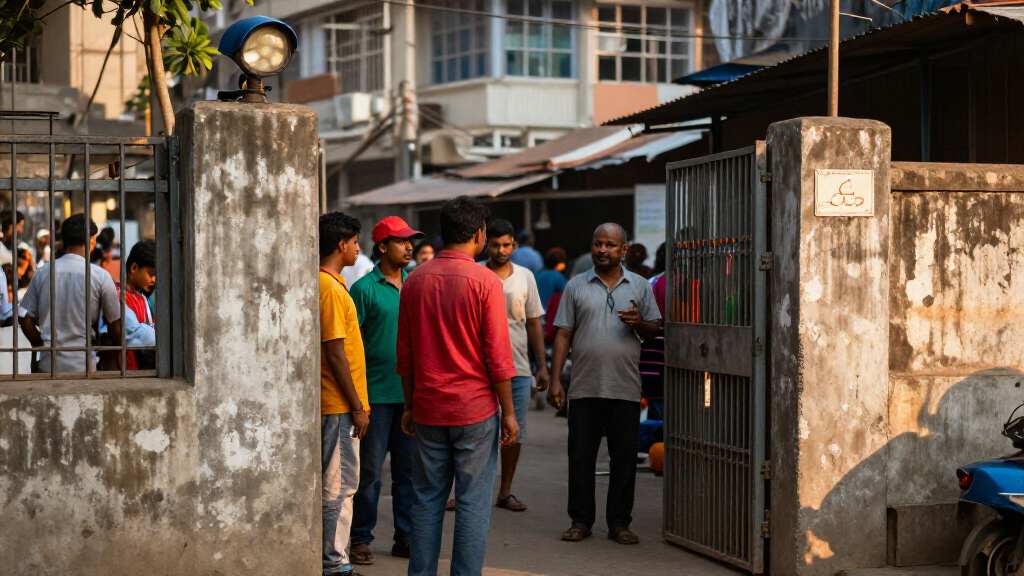
Reports described workers leaving their workplaces and production being disrupted, rather than factories being shut by owners. Reuters reported that police used tear gas and water cannon after bricks were thrown at officers, while a police vehicle and police post were set alight. Border Guard Bangladesh personnel were deployed. Reuters reported factories had reopened on Nov. 2, though owners remained concerned about renewed unrest.
Wages Put Export Supply Chains Under Pressure
The dispute matters beyond factory gates because Bangladesh’s garment sector supplies international clothing retailers. Continued stoppages could affect production schedules and export shipments. Labour Minister Ariful Haque Choudhury warned that extended disruptions could delay shipments and payments from overseas buyers, according to Reuters and Al Jazeera.
The wage question also involves the prices paid by global brands. Reuters reported that workers, owners and an economist pointed to international buyers’ purchasing prices as part of the dispute. An International Labour Organization survey from 2016 found that only 17% of Bangladeshi suppliers said customers were willing to reflect minimum-wage increases in the prices they paid. That older survey provides context, but does not establish how buyers are responding to the current wage negotiations.
For workers, the issue is whether wages cover basic household expenses. Mahin Hossain told Reuters that after rent, little remained for food, children’s education and other essentials. For employers and buyers, a higher wage may affect production costs and sourcing decisions. The board’s recommendation will be watched by workers, factory owners and retailers, but its timing and eventual wage level are not yet known.
Popular right now

Hisense 65-inch U6 Pro Mini-LED 4K UHD Smart Fire TV

Ninja Foodi Dual Zone Smart XL Air Fryer, 10 Qt, 6-in-1, Black (DZ550)

TCL 65-Inch T7 Series 4K QLED Smart Google TV, 144Hz (65T7)
As an affiliate, we earn on qualifying purchases.
How the Protests Reached the Board
Demonstrations had been underway for weeks before the board was announced. The Daily Star reported on Oct. 21 that workers had blocked roads since mid-October. Protester Sharifa Begum told the newspaper that workers wanted either lower prices for essential goods or higher wages. Reuters and Al Jazeera reported a further escalation on Oct. 31, when about 30 factories around Ashulia declared holidays, according to Ashulia Industrial Police superintendent Mohammad Mominul Islam Bhuiyan. Police said clashes there injured several people, including officers.
On Nov. 1, protests and road blockades spread across parts of Dhaka and Gazipur. BGMEA’s report counted disruptions in Gazipur and Mymensingh, Savar, Ashulia and Jirani, and the Dhaka Metropolitan Police area. It reported no affected factories in Narayanganj or Chattogram among the locations surveyed. The board announcement came the same day, as protests were continuing.
The current minimum wage took effect in December 2023. The Daily Star reported that a 2026 amendment to the Labour Act shortened the interval for minimum-wage reviews from five years to three. The new board process is therefore taking place amid active protests and a legal schedule for more frequent reviews.
“After paying rent, there is very little left for food, our children’s education and other essential expenses.”
— Mahin Hossain, speaking to Reuters
Board Schedule and Wage Remain Open
The board notifications do not set a published date for the first meeting or a deadline for announcing a new wage structure, The Daily Star reported. The eventual minimum wage, how the board will weigh worker and employer proposals, and whether its recommendation will resolve the dispute remain unsettled.
The factory-disruption figures come from BGMEA, the owners’ association, and describe the workplaces and workers covered in its Nov. 1 report. Reuters said factories reopened the next day, but that does not establish whether production returned to normal everywhere or whether workers’ demands were met. The available reports also do not show how much international buyers may adjust prices if labour costs rise.
Awaiting the Board’s First Meeting
The next formal step is for the wage board to convene and begin consultations among its worker, employer and independent members. No first-meeting date or timetable for a recommendation has been announced. The government has urged workers to return, while Reuters reported that owners remained concerned about further unrest after factories reopened on Nov. 2.
Developments to watch include the board’s proposed wage level, the response from workers and factory owners, and whether production and export shipments remain on schedule. Until the board publishes a timeline or recommendation, the central question—what minimum wage will replace the current 12,500 taka floor—remains unanswered.
Key Questions
What wage are Bangladesh garment workers demanding?
Workers are demanding a minimum wage of 30,000 taka per month. Reuters converted the demand to about $243 to $245.
How many factories were affected by the protests?
BGMEA reported disruptions at 529 of 2,134 factories covered in its Nov. 1 situation report. It said 987,190 workers had left their workplaces.
Who is on the wage board?
The six-member board has a chair, one independent member, two employer representatives and two worker representatives. It is chaired by Sheikh Ashfaqur Rahman.
When will a new minimum wage be announced?
No announcement date or board meeting schedule has been published, according to The Daily Star. The timing and wage level remain unknown.
Did factories reopen after the walkouts?
Reuters reported that factories reopened on Nov. 2, though owners remained concerned about further unrest. The reports do not establish that production had returned to normal at every factory.
Source: ThorstenMeyerAI.com