
TL;DR
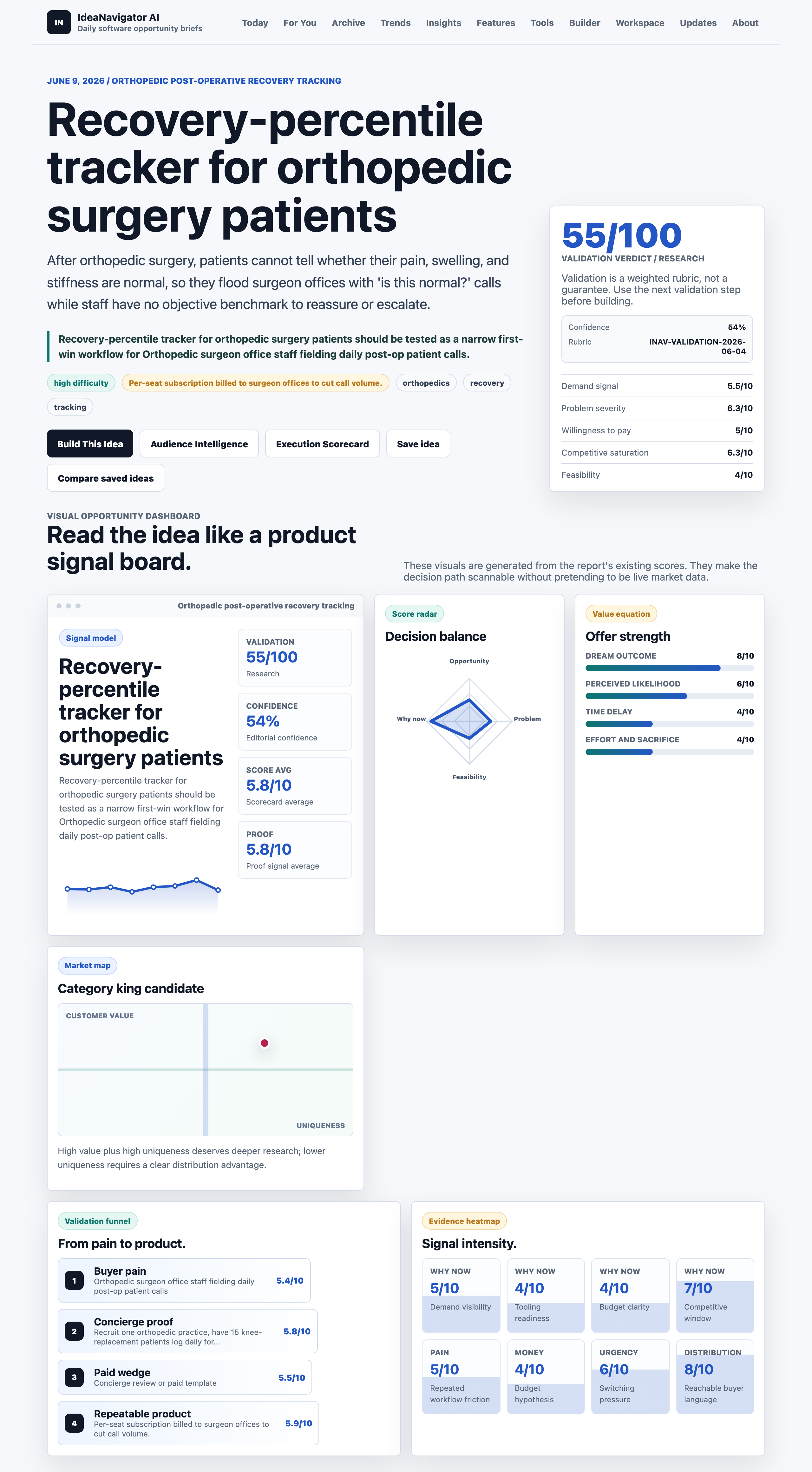
A pilot program is launching to test a percentile-based recovery tracker for orthopedic patients. It aims to reduce phone calls and improve post-op care by providing objective benchmarks. The initiative is in early testing with one practice and 15 patients.
A new recovery-percentile tracker for orthopedic surgery patients is being tested in a pilot program to help office staff manage post-operative calls more efficiently. The system enables patients to log daily symptoms and compare their recovery progress against anonymized benchmarks, potentially reducing unnecessary reassurance calls and improving patient care. This development responds to rising outpatient procedures and staffing challenges in orthopedic practices.

Get the latest gadgets delivered free with Prime
- Fast, free delivery on millions of items
- Prime Video, Amazon Music and more included
- Member-only deals all year
The initiative involves a simple daily check-in where patients recovering from procedures such as knee replacements record pain levels, range of motion, and walking milestones. These data are then plotted as percentiles against recovery curves derived from anonymized data, providing patients and staff with an objective measure of progress. The pilot involves 15 patients at a single orthopedic practice, with the goal of assessing whether this approach decreases the volume of ‘is this normal?’ calls.
According to sources familiar with the project, the system is designed as a minimum viable product (MVP) that could be scaled if successful. The subscription-based model targets orthopedic offices seeking to improve patient reassurance and reduce staff workload. The initial testing phase will measure call volume reduction and patient engagement, with results expected within a few months.
Potential Impact on Post-Operative Care Efficiency
If successful, the percentile tracking system could transform how orthopedic practices handle post-op recovery monitoring. By providing patients with clear, data-backed benchmarks, it could reduce unnecessary phone calls, improve patient confidence, and free staff to focus on more complex cases. This approach aligns with broader trends toward digital health tools that enhance outpatient care and optimize resource use.
Popular right now

KitchenAid 5.5-Quart Bowl-Lift Stand Mixer, Porcelain White

Samsung 55-Inch M70H Series 4K HDR Mini-LED Smart TV with HDMI Cable and 12-Month CPS Warranty

Samsung 65-Inch Q8F QLED 4K UHD Smart TV (2025)
As an affiliate, we earn on qualifying purchases.
Growing Need for Objective Post-Op Monitoring Tools
Outpatient orthopedic procedures, including knee and hip replacements, are increasing as healthcare shifts toward minimally invasive techniques. However, post-operative recovery remains largely subjective, with patients frequently calling offices to ask whether their symptoms are normal. Staff often lack objective data to reassure or escalate cases, leading to high call volumes and staff burnout. This pilot aims to test whether a simple, data-driven tool can address these issues by providing real-time, personalized recovery benchmarks.
“Implementing percentile-based recovery tracking could significantly reduce unnecessary calls and improve patient reassurance.”
— an anonymous researcher
Unclear Outcomes and Scalability of the Pilot
It is not yet confirmed whether the percentile tracker will effectively reduce call volume or improve patient satisfaction in the long term. The pilot is limited to one practice and 15 patients, so results may not generalize. Further, the impact on staff workflows and patient engagement remains to be fully evaluated, and scalability beyond the initial setting is still uncertain.
Next Steps for Validation and Broader Implementation
The pilot program is expected to run for several months, with preliminary results on call volume reduction and patient feedback to be analyzed afterward. If positive, plans include expanding the system to additional practices and integrating it with electronic health records. Further research will be needed to confirm long-term benefits and cost-effectiveness before wider adoption.
Key Questions
How does the recovery-percentile tracker work?
Patients log daily data such as pain levels, range of motion, and walking milestones. The system then plots these against anonymized recovery curves to show their percentile rank, indicating how their recovery compares to typical progress.
What types of surgeries are included in this tracking system?
Initially, the pilot focuses on knee replacement procedures, but the system could be adapted for other outpatient orthopedic surgeries in the future.
Will this system replace in-person follow-ups?
No, it is designed to supplement existing care by providing objective data that can inform whether a patient needs an in-person consultation or reassurance remotely.
How will this impact staff workload?
If effective, the system could reduce the number of routine reassurance calls, allowing staff to focus on more complex patient needs and improving overall workflow efficiency.
When will the results of the pilot be available?
Results are expected within the next few months as the pilot progresses, with preliminary data informing potential broader rollout.
Source: IdeaNavigator AI