
TL;DR
A good student laptop backpack combines ergonomic design, durable materials, and smart organization. Recent trends include eco-friendly fabrics and tech features like USB ports. Picking the right one can prevent back pain and protect your gear.
Imagine lugging around a backpack that feels like a weight on your shoulders—literally. It’s not just about carrying your books; it’s about protecting your laptop, staying comfortable, and looking good while doing it. With so many options out there, how do you pick the right one?
This guide will walk you through what to look for, recent trends that could make your life easier, and practical tips to find that perfect fit. Because the right backpack isn’t just a style statement—it’s your daily armor for school.
Prioritize ergonomic features like padded straps and back support to prevent back pain.
Match your backpack size to your gear—20-30 liters suits most students.
Waterproof backpacks are a smart investment for protecting electronics in bad weather.
Choose reputable brands with durable materials and good warranties.
Stay updated on tech-integrated and eco-friendly options to keep your backpack modern and sustainable.
How to Pick a Backpack That Won’t Hurt Your Back
If you want to avoid back pain and shoulder strain, focus on design and fit. Look for padded straps that distribute weight evenly, a padded back panel for comfort, and adjustable straps to customize the fit. Imagine a backpack that feels like a gentle hug rather than a heavy stone on your shoulders.
Choosing a backpack with ergonomic features is crucial because it directly impacts your posture and comfort over long school days. When a backpack doesn’t fit properly, it can cause uneven weight distribution, leading to muscle strain, headaches, and long-term back issues. The tradeoff often comes with bulkier designs or lighter materials that might sacrifice support, so it’s essential to find a balance. Investing in ergonomic features can prevent discomfort and health problems, ultimately supporting your daily productivity and well-being.
For example, a 15-inch laptop combined with books and supplies can push a backpack’s weight over 10 pounds. Without proper support, that can lead to discomfort after just a few hours. Choosing a backpack with ergonomic features can cut your risk of pain in half, according to health studies.
Here’s a quick checklist:
- Padded shoulder straps
- Adjustable straps
- Back support with breathable mesh
- Lightweight materials

JanSport Laptop Backpack – Computer Bag with 2 Compartments, Ergonomic Shoulder Straps, 15” Laptop Sleeve, Haul Handle – Black
THE MOST TRUSTED NAME IN BACKPACKS – Every JanSport comes with a lifetime warranty. Carry your JanSport with…
As an affiliate, we earn on qualifying purchases.
As an affiliate, we earn on qualifying purchases.
What Size Backpack Fits Your Laptop and Supplies Best?
Matching your backpack size to your gear is key. For most students, a 20-30 liter pack works well. That’s enough room for a 15-inch laptop, textbooks, and some supplies without turning into a bulky monster.
But beyond just fitting your items, the size of your backpack affects your comfort and mobility. A bag that’s too large can cause unnecessary strain, as it shifts and swings with your movements, forcing your muscles to compensate and potentially leading to fatigue or poor posture. Conversely, a bag that’s too small may cause you to cram items in, damaging your gear or making access difficult. Therefore, selecting a size that accommodates your typical load without excess bulk is vital. Think of it as a balance—enough space to organize efficiently but not so much that it becomes a burden. This choice influences how comfortably and safely you carry your essentials day after day.
For instance, a high schooler carrying a Chromebook and a few notebooks might prefer a slimmer 15-liter pack, while college students with multiple textbooks and tech gadgets might need a 25-liter one.
Here’s a simple size guide:
| Student Level | Ideal Pack Size | Notes |
|---|---|---|
| High School | 15-20 liters | Light loads, basic supplies |
| College | 20-30 liters | Multiple books, tech gear |
| Graduate/Professional | 25-35 liters | Heavy equipment, multiple devices |
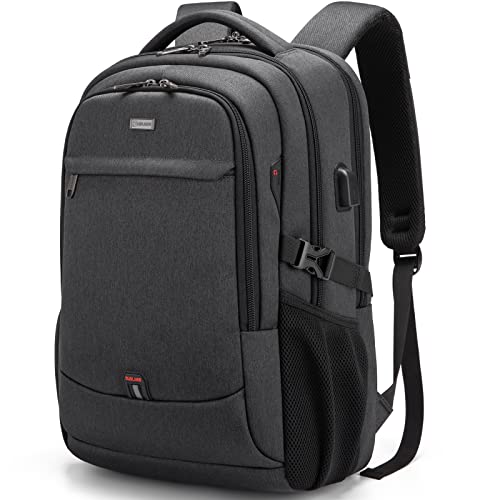
DUSLANG 17 Inch Laptop Backpack for Travel Water Resistant College Backpack for Men/Women Laptop Bag with USB Charging Port,Black
COMPARTMENT CAPACITY & POCKETS:Separate laptop compartment fits 17/15/14/13 Inch Macbook/Laptop.Separate compartment Fits Maximum 9.7” iPad.Main compartment roomy for…
As an affiliate, we earn on qualifying purchases.
As an affiliate, we earn on qualifying purchases.
Are Waterproof Backpacks Worth the Extra Cost?
Yes, waterproof backpacks protect your gear from unexpected rain or spills. Imagine walking across campus when a sudden downpour drenches everything—except your laptop, thanks to a water-resistant fabric.
Waterproof backpacks often feature sealed seams and coated materials like nylon or polyester. For example, brands like North Face and SwissGear offer models with high-grade water repellency, keeping your tech safe even in heavy rain.
While they might cost 20-30% more, the peace of mind is worth it, especially if you commute daily or hike with your gear.
Tip: Look for backpacks with a rain cover included for extra protection during severe weather.
However, it’s important to consider that waterproof fabrics can sometimes add weight and reduce breathability, which might lead to sweating or discomfort during extended wear. If you live in a rainy climate or often carry electronics, the tradeoff is generally worth the investment because it minimizes the risk of water damage to your valuable devices. On the other hand, if you mostly walk in dry weather, a water-resistant but not fully waterproof backpack might suffice, offering lighter weight and better ventilation at a lower cost.

Clysee 12 Pieces 17 Inch School Backpack Bulk Classic Student Bag Bulk for Back to School Supplies Donation, Charities
Variety of Colors and Bulk Quantity: you will get 12 pieces of school backpacks bulk, available in an…
As an affiliate, we earn on qualifying purchases.
As an affiliate, we earn on qualifying purchases.
Compare Top Backpack Brands for Students
Picking a brand can be confusing with so many options. Here’s a quick comparison of popular brands based on durability, style, and price.
| Brand | Key Features | Price Range | Best For |
|---|---|---|---|
| JanSport | Simple, durable, classic designs | $30-$70 | Everyday school use |
| SwissGear | Water-resistant, padded laptop compartments | $50-$120 | Tech-heavy students |
| The North Face | Ergonomic support, stylish options | $70-$150 | College and outdoor use |
| Eco-conscious brands | Recycled fabrics, sustainable manufacturing | $40-$130 | Environmentally aware students |
When choosing a brand, consider how their focus aligns with your priorities—whether it’s durability, style, eco-friendliness, or price. Reputable brands often offer warranties and quality assurance, which can be a worthwhile investment to ensure your backpack withstands daily use and lasts through the school year. Keep in mind that price isn’t everything; sometimes paying a bit more upfront for a well-made, ergonomic, and supportive backpack can save you money and discomfort in the long run.

hanmir Backpack Straps Replacement, Padded and Adjustable Shoulder Straps with Chest Strap, Fit for Backpacks, Golf Bags, Musical Instrument Cases
Comfort & Breathe Easy: The shoulder straps for bags features a mesh padding with ventilated design. It massively…
As an affiliate, we earn on qualifying purchases.
As an affiliate, we earn on qualifying purchases.
How to Organize Your Backpack for Easy Access
Getting your backpack organized saves time and reduces frustration. Use the main compartment for your laptop and textbooks, and smaller pockets for chargers, pens, and snacks. Imagine reaching in and grabbing your charger or headphones without digging through everything.
But organization isn’t just about convenience; it also protects your gear. Properly compartmentalized backpacks prevent items from shifting and causing damage or wear. For example, keeping your electronics in padded sections reduces the risk of breakage, while designated pockets for small items prevent clutter that can lead to loss or damage. Additionally, well-organized backpacks can improve posture by evenly distributing weight, reducing strain caused by digging or awkwardly reaching for items. The tradeoff might be slightly increased initial effort to pack neatly, but the long-term benefit of quick access and gear safety makes it worthwhile. Using packing cubes, pouches, or small organizers can streamline your routine, making your daily transitions smoother and more efficient.
Latest Trends: Tech, Eco-Friendly, and Custom Backpacks
Backpacks are evolving beyond just storage. Today, many feature built-in USB ports for charging devices, RFID-blocking pockets for security, and eco-friendly fabrics made from recycled plastics. For instance, brands like XD Design now offer backpacks with solar panels to charge your gadgets on the move.
Customization is also huge—students love adding patches, choosing colors, or swapping out modular components. Imagine a backpack that reflects your personality, built with sustainability in mind.
These trends make your backpack more than just a carrier—they become an extension of your lifestyle.
Adopting these features can significantly enhance your daily routine. For example, USB ports enable convenient charging without carrying extra cables, reducing clutter and ensuring your devices stay powered throughout the day. RFID-blocking pockets provide peace of mind against digital theft, especially in crowded environments. Eco-friendly fabrics not only reduce environmental impact but also tend to be more durable and resistant to wear over time. Customization options allow you to express your personality, fostering a sense of ownership and pride in your gear. While some of these features might come with a higher price tag, they often offer practical benefits that improve convenience, security, and sustainability—aligning your backpack with modern needs and values.
Frequently Asked Questions
How do I know what size backpack to get for my laptop?
Measure your laptop and add extra space for accessories and books. Most students opt for 20-30 liters for a comfortable fit without bulk.Are expensive backpacks worth the extra cost?
Higher-priced backpacks often offer better durability, support, and features like water resistance. Investing in quality can save money in repairs or replacements later.What features make a backpack more secure?
Look for lockable zippers, RFID-blocking pockets, and anti-theft designs. These features help protect your personal information and valuables on busy campuses.Can I find eco-friendly backpacks that are still stylish?
Absolutely. Many brands now use recycled fabrics and sustainable practices while offering trendy designs. You don’t have to compromise style for sustainability.How often should I replace my student backpack?
Inspect it regularly for wear and tear. A good backpack can last 2-3 years with proper care, but if straps or zippers break, it’s time to upgrade.Conclusion
Choosing the right student laptop backpack isn’t just about style; it’s about protecting your tech, supporting your body, and making daily life easier. Focus on fit, durability, and features that match your needs.
Remember, your backpack is more than a bag—it’s your daily partner. Pick wisely, and it’ll serve you well through countless classes, commutes, and adventures.