
To support your heart health with everyday routines, start with simple habits like practicing meditation for 5-10 minutes daily to reduce stress and lower blood pressure. Establish a consistent sleep schedule by going to bed and waking up at the same time, avoid screens before bed, and create a calming environment. Incorporating small, sustainable changes like these can make a big difference over time. Keep going, and you’ll discover more ways to improve your well-being.
Key Takeaways
- Practice daily meditation or mindfulness for 5-10 minutes to reduce stress and lower blood pressure.
- Establish consistent sleep routines and create a restful environment to support heart health.
- Limit caffeine, heavy meals, and screen time before bed to improve sleep quality.
- Incorporate gradual healthy habits like meditation and sleep hygiene into daily life for sustainable benefits.
- Manage stress effectively through relaxation techniques to prevent cortisol spikes that harm heart health.

Taking small, consistent steps each day can substantially improve your heart health. One effective way to do this is by integrating simple meditation techniques into your daily routine. Meditation helps reduce stress, which is a major contributor to heart problems. You don’t need to spend hours on it; even just five to ten minutes of focused breathing or mindfulness can make a difference. Find a quiet spot where you won’t be disturbed, sit comfortably, and concentrate on your breath or a calming mantra. Over time, this practice can lower your blood pressure, decrease cortisol levels, and promote overall relaxation. Consistent meditation creates a mental environment that supports your physical health, helping you manage everyday stressors more effectively. Engaging in digital content creation related to health can also motivate you to stay committed to these routines. Incorporating stress management techniques like meditation is an essential step toward maintaining a healthy heart. Additionally, understanding the importance of heart-healthy habits can help reinforce your efforts and keep you motivated. Regularly practicing these habits can also improve your overall cardiovascular resilience, according to recent research. Developing a routine that incorporates these habits can be easier than you think, especially when they become part of your daily life.
Alongside meditation, paying attention to your sleep hygiene plays a key role in supporting heart health. Sleep hygiene refers to habits and practices that improve the quality of your sleep, guaranteeing you wake up feeling rested and refreshed. A good sleep routine includes going to bed at the same time each night, avoiding screens before bedtime, and creating a comfortable sleep environment that’s dark, cool, and quiet. Limiting caffeine and heavy meals in the evening also helps prevent disruptions during the night. When your sleep is restorative, your body can better regulate blood pressure, control inflammation, and maintain healthy cholesterol levels—all essential factors for your heart. Establishing a consistent sleep schedule trains your body to expect rest at certain times, making it easier to fall asleep and stay asleep through the night. sleep hygiene is a fundamental aspect of overall wellness, supported by scientific research on healthy living.
Incorporating these routines into your daily life isn’t about making drastic changes; it’s about building habits that support your well-being over time. Meditation techniques are accessible and require minimal effort, yet their benefits extend far beyond mental clarity—they can reduce your risk of cardiovascular disease. Meanwhile, prioritizing sleep hygiene ensures your body has the chance to recover, repair, and function at its best. Healthy lifestyle choices like these are crucial for long-term heart health, and they can be easily integrated into daily routines. Together, these practices reinforce each other, creating a foundation for a healthier heart. Remember, small improvements add up. By dedicating a few minutes to meditation and making consistent sleep habits, you’re actively investing in your heart’s future. These routines are simple, sustainable, and powerful ways to support your overall health every day.

Retrospec Sedona Meditation Cushion, Buckwheat Pillow, Meditation Pillow
- Natural Buckwheat Hull Filling: Supports spine and hips during meditation
- Adjustable Firmness: Unzip to add or remove hulls
- Eco-Friendly Cotton Cover: Machine washable and microplastic-free
As an affiliate, we earn on qualifying purchases.
As an affiliate, we earn on qualifying purchases.
Frequently Asked Questions
Can Specific Foods Instantly Improve Heart Health?
Certain foods can offer quick superfood benefits for your heart, but they don’t instantly improve heart health. Including foods like berries, nuts, and leafy greens in your diet supports your heart over time. If you have dietary restrictions, choose heart-healthy options that suit your needs, like plant-based or low-sodium foods. Consistent healthy eating, combined with other routines, will gradually enhance your heart health.
How Much Sleep Is Ideal for Heart Wellness?
Aim for 7 to 9 hours of sleep each night for ideal heart wellness. Prioritize sleep hygiene by establishing a consistent bedtime and creating a restful environment. Incorporate restful habits like avoiding screens before bed and limiting caffeine late in the day. When you follow these practices, you support your heart’s health, reduce stress, and improve overall well-being, making it easier to maintain a healthy lifestyle.
Do Stress-Reduction Techniques Directly Lower Heart Disease Risk?
Sure, stress-reduction techniques don’t magically erase heart disease risks. But picture stress management as a shield for your mental wellness, quietly lowering blood pressure and inflammation. When you actively practice relaxation methods, you’re indirectly supporting your heart’s health. It’s like giving your heart a breather during life’s chaos. So yes, managing stress can greatly lower your risk, proving that mental wellness and heart health truly go hand in hand.
Are Supplements Necessary Alongside a Healthy Routine?
Supplements aren’t always necessary if you follow a healthy routine, but they can help if your diet has dietary triggers that affect heart health. You should consider supplement timing to maximize benefits, like taking omega-3s with meals. Focus on whole foods first, and consult your doctor before adding supplements. They can help determine if you need extra support and when to take it for best heart health.
How Often Should I Get Heart Health Screenings?
You should get heart health screenings annually if you’re over 40, have genetic factors influencing heart disease, or if lifestyle modifications haven’t improved your risk profile. Regular screenings help catch issues early. If you have a family history or other risk factors, your doctor might recommend more frequent checks. Staying proactive with screenings complements healthy habits, ensuring you address potential concerns before they become serious.

MZOO Luxury Sleep Mask for Women Men Patented Light Blocking Design
- Zero Eye Pressure: Deep 13mm arc-shaped eye cups
- Designed for Side Sleepers: 15°-curved thin sides for comfort
- Complete Light Blocking: Contoured cups and 22mm nose padding
As an affiliate, we earn on qualifying purchases.
As an affiliate, we earn on qualifying purchases.
Conclusion
By making small, consistent changes—like taking daily walks or choosing heart-healthy foods—you can profoundly boost your heart health. Imagine Sarah, who started a 20-minute walk every evening; within months, her blood pressure improved, and she felt more energized. These simple routines, when practiced regularly, add up to a stronger heart and a healthier life. So, start today, and watch how your everyday habits transform your heart’s future.
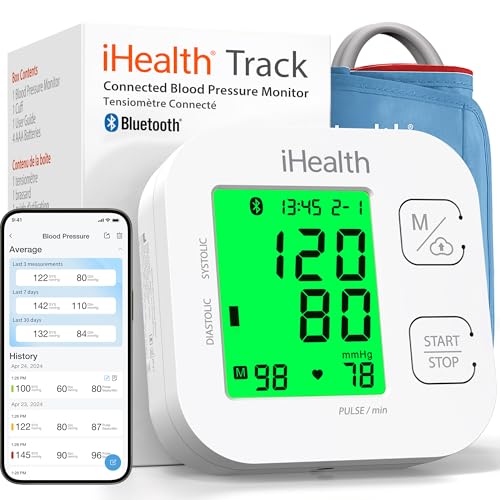
iHealth Track Smart Upper Arm Blood Pressure Monitor with Wide-Range Cuff
- Clinically Accurate: Easy operation, no calibration needed
- Large Multi-Color Display: Oversized numbers with color-coded readings
- Easy Data Management: Store 99 readings on device, unlimited on app
As an affiliate, we earn on qualifying purchases.
As an affiliate, we earn on qualifying purchases.

Mindsight 'Original Breathing Buddha' Guided Visual Meditation | 3 Modes to Slow Your Breathing & Calm Your Mind | Stress & Anxiety Relief | Wellness Gift | Adults, Kids, Classrooms | USB Rechargeable
- Purpose: Calms and focuses the mind daily
- Usage Modes: Three breathing modes and night light
- Breathing Patterns: Supports 4/7/8, 5/5, and box breathing
As an affiliate, we earn on qualifying purchases.
As an affiliate, we earn on qualifying purchases.