
Embracing minimalism helps you declutter your life by making intentional choices that prioritize quality over quantity. Focus on removing excess possessions, which creates space for what truly matters and reduces stress. This ongoing process strengthens mindfulness and encourages sustainable habits, aligning your environment and habits with your core values. As you gradually simplify, you’ll notice greater peace and focus. Keep exploring for practical ways to make minimalism a lasting part of your journey.
Key Takeaways
- Set clear intentions for your minimalism journey to align possessions with your core values.
- Regularly declutter to create a calm, organized environment and mental space.
- Prioritize quality over quantity by choosing durable, meaningful items.
- Practice mindful consumption to resist impulsive buying and reduce waste.
- View decluttering as an ongoing process that fosters personal growth and intentional living.
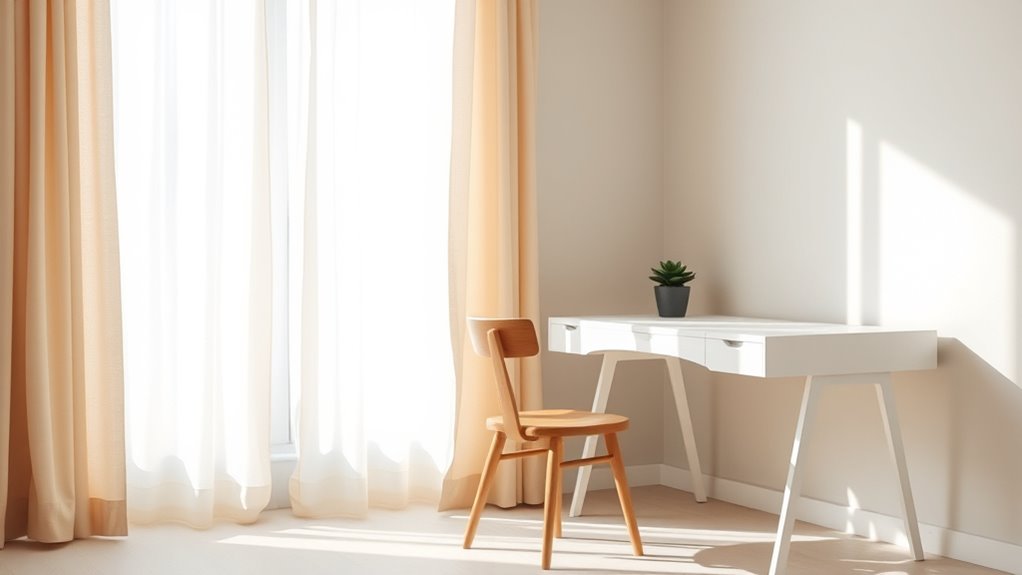
In today’s fast-paced world, embracing minimalism can help you find clarity and peace amidst the chaos. When you focus on conscious consumption, you’re making deliberate choices about what you bring into your life. Instead of mindlessly purchasing items, you evaluate whether each object truly adds value or joy. This approach encourages you to prioritize quality over quantity, reducing clutter and unnecessary possessions. By practicing conscious consumption, you create space for what matters most, allowing you to live more intentionally and avoid the trap of accumulating things that don’t serve a purpose. Incorporating intentional living into your daily routine can further reinforce these mindful habits.
Prioritize quality over quantity to create space for what truly matters and live intentionally.
Adopting a minimalist mindset directly supports simple living. It’s about stripping away excess to focus on the essentials, both physically and mentally. When your environment is clutter-free, your mind becomes clearer, helping you to concentrate on your goals and relationships. Simple living isn’t about deprivation; it’s about choosing what truly enriches your life and letting go of the rest. As you declutter your space, you also declutter your schedule and mental space, making room for activities and people that bring genuine happiness. This process encourages you to reevaluate your habits and possessions, ensuring they align with your core values.
Decluttering isn’t just a one-time task; it’s a continuous habit that fosters mindfulness. As you let go of items that no longer serve you, you develop a stronger awareness of your needs and desires. This awareness makes it easier to resist impulsive buys and stay committed to a minimalist lifestyle. Over time, you’ll notice your environment becoming calmer and more organized, which promotes a sense of control and well-being. With fewer distractions, you find it easier to focus on what truly matters, whether that’s personal growth, relationships, or passions.
Minimalism also promotes sustainability. When you practice conscious consumption, you’re less likely to contribute to environmental waste and overproduction. You learn to value durability and ethical choices, which often means buying fewer, better items. This shift benefits not just your mental state but also the planet. By embracing simple living, you streamline your life, reduce stress, and create a more meaningful existence. As you begin this journey, remember that minimalism isn’t about perfection but about progress. Each step toward decluttering and simplifying brings you closer to a more peaceful, focused, and intentional way of living.

Bagnizer Small Plastic Storage Bins with Bamboo Lids 5.2qt Stackable Box Basket Pantry Decorative Containers Cute with Labels for Organizing Desktop Closet Office Cream White of 6 packs 10*7.2*4.1"
- Durable Plastic Construction: Lightweight, high-quality plastic with bamboo lids
- Stackable and Space-Saving: Nestable design with ergonomic handles
- Includes Labels and Ventilation: 12 adhesive labels and breathable hollow design
As an affiliate, we earn on qualifying purchases.
As an affiliate, we earn on qualifying purchases.
Frequently Asked Questions
How Do I Start Decluttering if I’m Overwhelmed?
Start by shifting your mindset to focus on space optimization instead of perfection. Break the decluttering process into small, manageable tasks—like tackling one drawer or shelf at a time. Set a timer for 10-15 minutes to prevent overwhelm, and celebrate each victory. This way, you’ll gradually create a clutter-free environment, making the process feel less intimidating and more rewarding.
What Are the Best Minimalism Strategies for Small Spaces?
Focus on maximizing your small space with space-saving furniture like foldable beds and multi-purpose tables. Use smart storage solutions such as under-bed bins, wall-mounted shelves, and hidden compartments to keep clutter out of sight. Keep only essentials to maintain an open feel. Regularly reassess your belongings and prioritize quality over quantity. These strategies help you create a functional, tidy environment without sacrificing comfort.
How Can Minimalism Improve Mental Health?
Like a Zen garden, minimalism calms your mind, reducing stress and boosting mental health. By practicing mindfulness and decluttering, you create space for clarity and emotional resilience. Less clutter means fewer distractions, helping you stay present and focused. Incorporate simple routines and intentional choices to foster a sense of peace. You’ll find that a minimalist lifestyle supports emotional well-being, making daily life feel more manageable and joyful.
What Common Mistakes Should I Avoid During Decluttering?
You should avoid organizational pitfalls like unclear sorting methods or setting unrealistic goals that can overwhelm you. Be cautious of emotional attachments; don’t hold onto items just because they have sentimental value, unless they truly serve a purpose. Keep your decluttering focused and practical, and remember that letting go is essential. By staying organized and mindful of emotional ties, you’ll make the process smoother and more effective.
How Do I Maintain Minimalism Long-Term?
To maintain minimalism long-term, you should regularly practice digital detoxes and be mindful of your consumption habits. Limit your screen time, unsubscribe from unnecessary emails, and resist impulsive buys. Keep your space tidy by reassessing and donating items you no longer need. Staying intentional with your purchases and digital habits helps you sustain a simple, clutter-free life, making minimalism a lasting part of your daily routine.

Sterilite Medium Ultra™ Basket, Open Plastic Storage Bin, White, 6 Pack
- Dimensions & Size: This basket has outside dimensions…
- Comfortable Transport: The contoured handles on Sterilite…
- Effortless Maintenance: The smooth finish of this…
As an affiliate, we earn on qualifying purchases.
As an affiliate, we earn on qualifying purchases.
Conclusion
As you gently let go of excess, you create space for what truly matters. Embracing minimalism isn’t about giving up; it’s about making room for joy, clarity, and purpose. By softly clearing the clutter, you invite peace into your life, turning chaos into calm. Remember, sometimes less is more—allowing you to flourish in the simplicity you’ve chosen. Here’s to a fresh start, filled with intentionality and the beauty of less.

Furinno TURN-N-TUBE Corner Shelf, 5-Tier Corner Bookshelf, Open Storage Shelves, for Organization and Storage, Living Room, Home Office, Garage, Bedroom, Amber Pine
- Space-Saving Corner Design: Fits snugly into corners
- 5-Tier Multipurpose Shelves: Displays photos, books, collectibles
- Strong Weight Capacity: Supports up to 50 lbs total
As an affiliate, we earn on qualifying purchases.
As an affiliate, we earn on qualifying purchases.
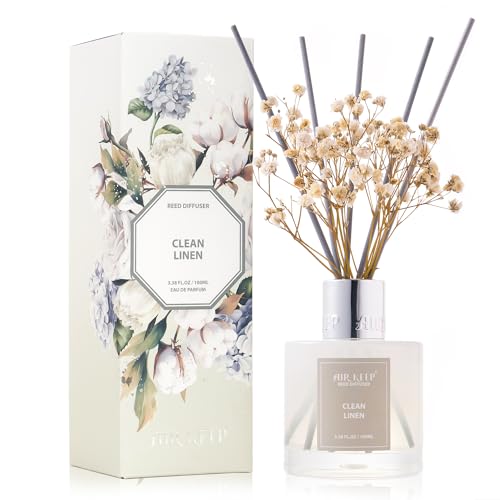
Airkeep Reed Diffuser Set,3.38 fl oz (100 ml) – Clean Linen Oil Diffusers with 8 Reed Sticks,Home Fragrance Reed Diffuser for Bathroom Shelf Decor
- Scent: Fresh Clean Linen fragrance
- Design: Sleek minimalist home decor
- Fragrance Control: Adjustable scent intensity
As an affiliate, we earn on qualifying purchases.
As an affiliate, we earn on qualifying purchases.