
TL;DR

Get the latest gadgets delivered free with Prime
- Fast, free delivery on millions of items
- Prime Video, Amazon Music and more included
- Member-only deals all year
Merri-bek Tech, a Melbourne community group, is developing a plan for renewable-powered servers that could provide digital services during power and internet outages. About 20 people have signed up to host devices at home, but the group has not secured community hubs and its system is not yet operational.
Merri-bek Tech, a Melbourne community group, is working on a network of renewable-powered servers intended to provide local digital services during power and internet outages. The plan is not yet operational: around 20 people have offered to host devices at home, but the group has not persuaded libraries or other community hubs to host them.
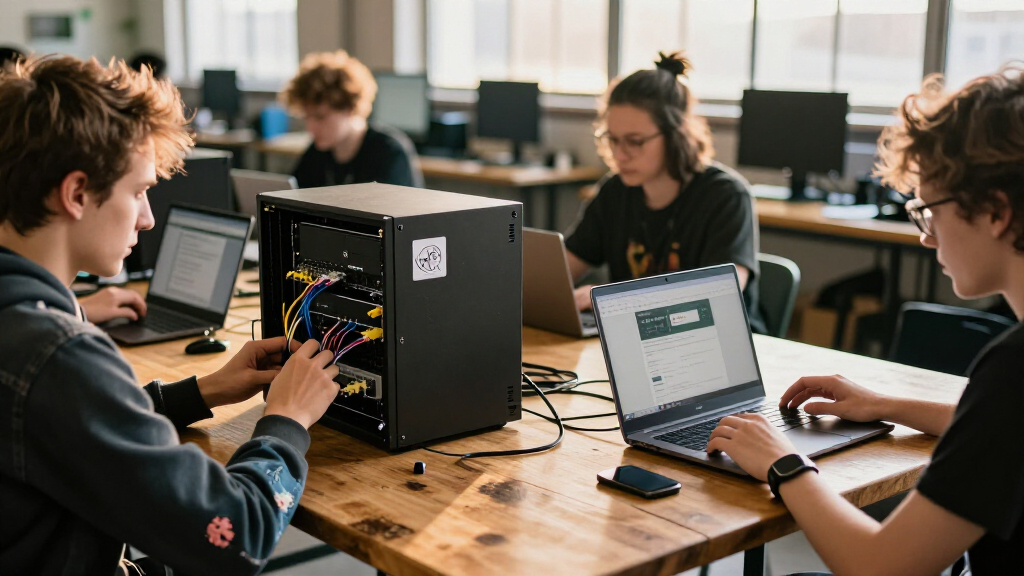
Software engineer and community organiser Jade Ambrose is developing the project around small computers, including a Raspberry Pi. He hopes community hubs could maintain some digital communication with each other when conventional internet connections and electricity supplies fail, risks the report links to extreme weather and pressure on infrastructure.
Wireless links can technically carry small amounts of data between devices without a connection to the usual internet, Ambrose told the ABC. But the group has not yet worked out how to make its chosen open-source software, designed to run in one location, synchronise across multiple sites. The proposed network therefore cannot currently provide the service Ambrose envisages in an outage.
The effort is part of a wider interest in digital sovereignty: having greater control over the infrastructure, software and hardware people and institutions rely on. The ABC report describes both individuals seeking alternatives to major platforms and governments looking to reduce reliance on foreign technology providers. It also notes that decentralised systems can be difficult to scale and may face governance problems.
A Local Backup for Essential Services
The project addresses a practical vulnerability: communities may lose access to online services when power or internet infrastructure fails. If a network like Merri-bek Tech’s could be made reliable, locally hosted equipment might offer a way for participating facilities to share limited digital services during an emergency. That benefit remains a goal, not a demonstrated capability.
The wider debate also concerns who controls the systems behind communications, data storage and public services. QUT researcher Ashwin Nagappa told the ABC that interest in sovereignty has grown alongside artificial intelligence and concerns about privacy and geopolitical dependence. For Australia, the report says, reliance on foreign-owned digital infrastructure has become a policy concern as well as a question for individual users.
Locally controlled systems may offer more agency, but they require people and organisations to take responsibility for maintenance, security and participation. Nagappa cautions that decentralised networks can be hard to expand and can be exposed to rogue operators. Moving away from familiar services can also create friction for users, making adoption a social challenge as well as a technical one.
As an affiliate, we earn on qualifying purchases.
From Home Servers to Sovereignty
The ABC describes Ambrose as a “solarpunk”, a term for a vision in which technology, communities and nature can coexist. Merri-bek Tech formed in 2023. Its idea is to place renewable-powered servers in community facilities, with household devices potentially supporting the network. The group has gained interest from residents, but it has not yet secured institutional hosts.
Digital sovereignty is used broadly in the report to mean control over the systems that make digital life function; it is distinct from the sovereign citizen movement. Individual efforts include self-hosting data and using alternatives to mainstream software. At government level, the European Union is pursuing plans to reduce dependence on non-EU providers for cloud services, software and hardware. The proposal has not yet been legislated, and critics say the shift could be difficult and costly.
Nagappa told the ABC that Australia has moved more slowly than Europe in developing alternatives and remains reliant on foreign-owned infrastructure. The report also recalls that federal officials raised concerns in June about reliance on foreign satellite internet providers, including Starlink, and the implications for enforcing Australian law and protecting national interests.
““where you could go to in an emergency to get some form of digital services that were in communication with other community facilities even during an outage of power and internet””
— Jade Ambrose, software engineer and Merri-bek Tech community organiser
renewable power backup for servers
As an affiliate, we earn on qualifying purchases.
As an affiliate, we earn on qualifying purchases.
The Network Is Still Untested
Merri-bek Tech’s system is not operational, and the report does not establish whether its software can be made to synchronise across separate sites during a widespread outage. It is also unclear which specific services the network could support, how long it could operate without normal infrastructure, or what equipment and ongoing maintenance would cost.
The group has not secured community hubs as hosts, so the number of home sign-ups does not yet show that institutions will participate. The report provides no timeline for a working trial or evidence that the proposed network has been tested during an actual emergency. More broadly, the EU’s plans to reduce technology dependence remain unlegislated, while the full costs and practical obstacles are unsettled.
off-grid digital communication devices
As an affiliate, we earn on qualifying purchases.
As an affiliate, we earn on qualifying purchases.
Securing Hosts and Testing Links
The immediate next steps for Merri-bek Tech are to find community facilities willing to host equipment and resolve how its open-source software can synchronise between locations. The ABC report gives no launch date or confirmed testing schedule. Until those pieces are in place, the proposal remains an early-stage community project rather than an emergency service.
Any future assessment will depend on whether the group can demonstrate reliable communication across sites and establish who will maintain the equipment. The broader policy debate will also continue: the EU plan still requires legislation, and Australia’s dependence on overseas digital infrastructure remains a subject of concern raised by officials and researchers.
As an affiliate, we earn on qualifying purchases.
Key Questions
What is Merri-bek Tech trying to build?
The Melbourne group wants to place renewable-powered servers in community hubs so facilities could share some digital services during power and internet outages.
Is the network working now?
No. The project is not yet operational. The group has not solved how its software will synchronise across multiple locations, and it has not secured community hubs to host devices.
How many people are involved?
The ABC report says 20 people have signed up to have devices in their homes. It does not say that those devices are already part of a functioning network.
What does digital sovereignty mean here?
In the report, digital sovereignty means having greater control over the infrastructure, software and hardware that support digital services and data. It can apply to individuals, organisations and governments.
What could prevent the project from succeeding?
The group still needs to resolve technical issues and find institutional hosts. More generally, researcher Ashwin Nagappa says decentralised systems can be hard to scale and may face governance risks.
Source: fediverse
Columbus Day / Indigenous Peoples' Day Picks
long weekend sales
As an affiliate, we earn on qualifying purchases.