
TL;DR

Get the latest gadgets delivered free with Prime
- Fast, free delivery on millions of items
- Prime Video, Amazon Music and more included
- Member-only deals all year
SmartHomeScene reports testing 12 battery-powered Zigbee temperature and humidity sensors from Aqara, Sonoff, Tuya and other brands against a calibrated reference. The comparison uses a reference calibrated around 4°C, so its results provide a consistent basis for that test setup but do not establish accuracy across typical room temperatures.
SmartHomeScene has published a head-to-head test of 12 Zigbee temperature and humidity sensors, adding low-temperature fridge benchmarks in an update dated August 14, 2026. The report compares battery-powered devices from Aqara, Sonoff, Tuya and other brands against a calibrated reference, giving smart-home users a shared test setup for considering differences among popular models.
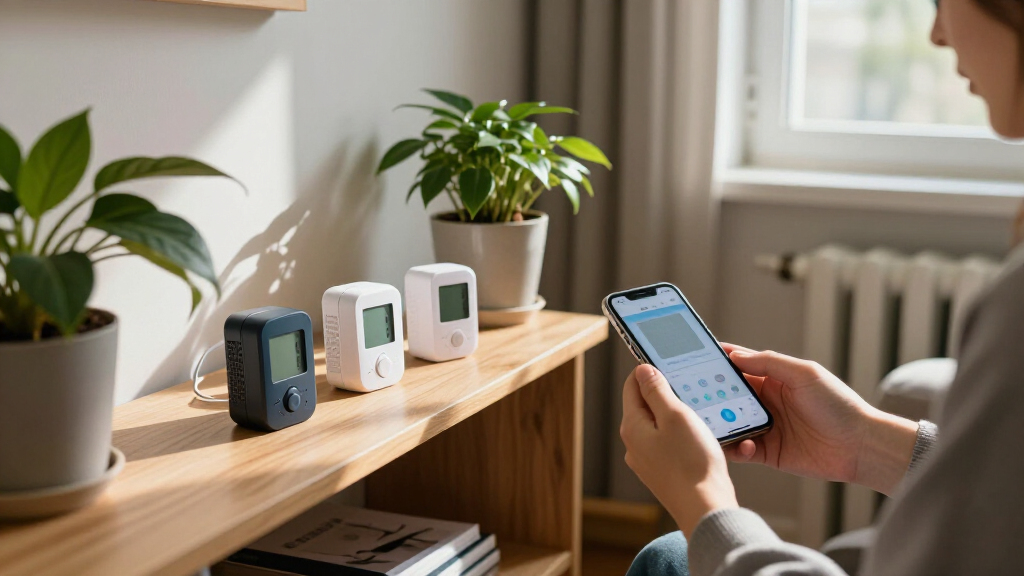
The lineup includes devices sold under the Aqara, Sonoff, ThirdReality, Zemismart, Moes and Tuya names. The report says the selected models were among best-selling options found online, sourced mainly from AliExpress. All have Zigbee radios, run on batteries and lack displays. The listed AliExpress prices range from $4.60 to $19.99; the ThirdReality model is the sole listed exception to the under-$15 group and is not sold on AliExpress, according to the report. Prices vary by region.
For the comparison, the reviewer placed all 12 sensors in an office beside a Xiaomi Miaomiaoce MHO-C401 running custom firmware. That device was adjusted against a lab-certified thermometer used in a commercial meat refrigerator. The reviewer says the MHO-C401 required an offset of minus 0.5°C and plus 4% humidity to match that reference. The sensors were tested on Zigbee2MQTT version 2.12.1-dev with an SMLight SLZB-06MG24 coordinator, about 3.5 meters away, on a new network with no other paired devices.
The report frames its benchmark as a way to compare devices under the same conditions, not as a universal measure of room-level accuracy. Its author cautions that calibration took place around 4°C and sensor readings may not respond linearly across a wider temperature range. The source material provided for this article describes the test setup and product lineup, but does not include the detailed results for individual sensors.
Choosing Sensors for Cold Storage
Temperature and humidity sensors can feed readings into a smart-home system for monitoring rooms, refrigerators or other spaces. A side-by-side comparison can help buyers see how products differ under a shared setup, while the added fridge benchmarks address use at lower temperatures that a room-only comparison might not cover.
The test also highlights a practical limit for interpreting accuracy claims: a reading checked against a reference at about 4°C may not predict performance at ordinary indoor temperatures. The reviewer says users can apply calibration offsets in Home Assistant, but whether that is appropriate depends on the device and the conditions in which it will be used. The report’s methodology and individual results are needed to judge any particular model.
Popular right now

Bose QuietComfort True Wireless Earbuds with Active Noise Cancellation, Black

Dyson V8 Cyclone Cordless Vacuum

Vitamix Propel Series 750 Professional-Grade Blender, 4 Programs, Black
As an affiliate, we earn on qualifying purchases.
How the Comparison Was Set Up
The author says single-device reviews do not answer which sensor is best, and chose a head-to-head format after previously comparing Zigbee door and window sensors and smart buttons. The selected temperature and humidity devices were chosen as popular options rather than obscure listings. Several Tuya devices may also appear under different white-label names, the report says, so product labels and Zigbee model identifiers can vary.
The reference device was calibrated against a thermometer that, according to the author, is checked on a three-month schedule because it is used in a commercial meat refrigerator. The reviewer then used the adjusted Xiaomi device as a common benchmark. Each Zigbee sensor was placed at a similar distance from the coordinator, with no other paired devices on the test network. The updated article adds fridge testing to this existing comparison.
“What it does give me is a consistent, repeatable anchor to measure every Zigbee sensor against under identical conditions.”
— SmartHomeScene reviewer
Accuracy Beyond Four Degrees
The material available here does not provide the individual sensor readings, rankings or detailed findings from the fridge benchmarks, so it is not possible to say which model performed best. The report also cautions that the reference was calibrated near 4°C; results at that point do not establish how accurately each sensor reads at normal room temperatures or across its full measurement range.
AliExpress prices are region-dependent, and the report notes that Tuya devices are often sold under multiple labels. Buyers may therefore encounter different names or prices for hardware associated with the same Zigbee model identifier. The supplied source does not clarify how the full set of test readings changed across different temperatures or humidity levels.
Review the Model-Level Results
The next step for readers is to consult the full SmartHomeScene comparison for the individual sensor measurements and the added fridge benchmarks. Anyone choosing a sensor for a specific use should compare its reported readings under relevant conditions and check compatibility with their Zigbee setup. The report does not state a further testing date or announce another update.
Key Questions
How many sensors did SmartHomeScene test?
The report compares 12 battery-powered Zigbee temperature and humidity sensors from Aqara, Sonoff, ThirdReality, Zemismart, Moes and Tuya-branded listings.
What was used as the temperature reference?
The reviewer used a Xiaomi Miaomiaoce MHO-C401 with custom firmware, adjusted against a lab-certified thermometer used in a commercial refrigerator.
Does the test establish accuracy at room temperature?
No. The reference calibration was performed around 4°C, and the reviewer says readings may not respond linearly across a wider temperature range.
Which sensor performed best?
The source material provided here does not include the individual test results or rankings, so it does not establish which model performed best.
When was the comparison updated?
SmartHomeScene dates the update August 14, 2026 and says it added low-temperature benchmarks in a fridge.
Source: hn