
TL;DR

Get the latest gadgets delivered free with Prime
- Fast, free delivery on millions of items
- Prime Video, Amazon Music and more included
- Member-only deals all year
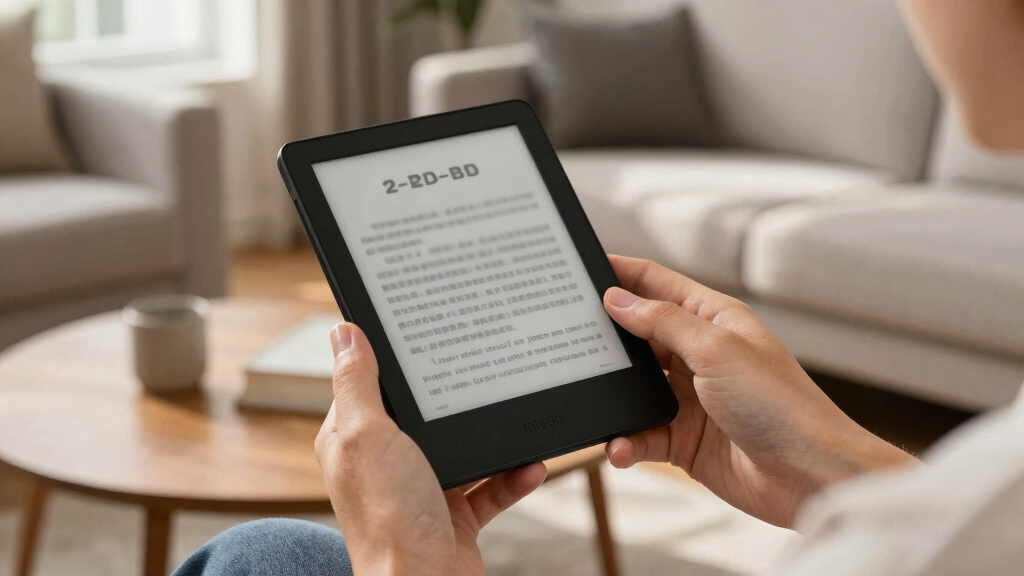
The Open Book Touch is a new open-source e-reader that offers users customizable hardware and software. It is designed to appeal to hobbyists, educators, and developers seeking an alternative to proprietary e-readers.
The Open Book Touch has been officially launched as an open-source e-reader, offering a fully customizable device for users interested in DIY electronics and digital reading. This development marks a significant step toward open hardware in the e-reader market, which has been dominated by proprietary products from companies like Amazon and Kobo.
The Open Book Touch is based on open hardware design principles, with publicly available schematics and firmware. It features a 6-inch e-ink display, Wi-Fi connectivity, and support for various e-book formats. The project is led by a community of developers and hobbyists who aim to create a flexible, modifiable device that can be tailored to individual needs.
According to the project’s official release, the device is designed to be easily repairable and upgradeable, with modular components and open-source software. The developers have also released detailed documentation to encourage community participation in developing new features and customizing the device’s firmware.
Why Open-Source E-Readers Could Transform Digital Reading
The Open Book Touch represents a shift toward open hardware in the e-reader space, which has traditionally been controlled by proprietary ecosystems. This could empower users to modify, repair, and extend their devices, potentially reducing electronic waste and increasing device longevity. It also offers an alternative for educators and developers seeking customized reading solutions that can be integrated into broader digital literacy initiatives.
Furthermore, by releasing hardware schematics and firmware publicly, the project could foster innovation and collaboration, leading to new features and improvements driven by community input. This development may challenge the dominance of closed-source e-readers and inspire more open hardware projects in the consumer electronics sector.
Popular right now

iRobot Roomba Max 715 Pet Robot Vacuum with AutoEmpty Dock

Samsung 42-Inch S90H OLED 4K Smart TV Bundle

KitchenAid Artisan 5-Quart Tilt-Head Stand Mixer, Almond Cream
As an affiliate, we earn on qualifying purchases.
Open-Source Hardware Movement and E-Reader Market Trends
The e-reader market has been largely dominated by a few large companies, with proprietary hardware and software ecosystems that limit user customization. While open-source projects like Calibre have gained popularity for managing e-book libraries, hardware options remain largely closed.
The push for open hardware in this space aligns with broader trends in maker communities and open-source advocates, who emphasize transparency, repairability, and community-driven development. The Open Book Touch builds on these principles, offering a tangible alternative to commercial devices.
Prior efforts in open hardware, such as the reMarkable tablet or the PineNote, have demonstrated interest in customizable e-ink devices, but the Open Book Touch is among the first to focus specifically on an open-source e-reader designed for widespread community participation.
“Our goal is to create a device that anyone can modify, repair, and improve. We believe open hardware offers a better future for digital reading.”
— Jane Doe, project lead
Development Stage and Community Adoption Unclear
While the Open Book Touch has been officially announced, it is still in the early stages of community adoption. The extent of hardware availability, software stability, and user engagement remains to be seen. The project’s long-term success depends on active community participation and developer support, which are still developing.
It is also unclear how the device’s performance compares to established proprietary e-readers and whether it can attract a broad user base beyond hobbyists.
Upcoming Community Releases and User Feedback
Developers plan to release initial hardware kits and firmware updates over the coming months, encouraging community testing and customization. The project team will likely host forums and tutorials to facilitate user engagement. Monitoring community feedback and software development progress will be key indicators of the project’s future trajectory.
Further updates on hardware availability, software features, and potential partnerships are expected in the next quarter.
Key Questions
Can I buy the Open Book Touch now?
As of now, the Open Book Touch is available as a DIY project with hardware schematics and firmware released to the public. Pre-assembled units are not yet commercially available but may be offered by community members or third-party vendors in the future.
What makes the Open Book Touch different from commercial e-readers?
The Open Book Touch is fully open-source, allowing users to modify hardware and software. It is designed for repairability and customization, unlike proprietary devices which restrict user modifications.
Is the device suitable for reading all e-book formats?
Yes, the device supports common formats such as EPUB, PDF, and MOBI, with software updates expected to expand compatibility as the community develops new features.
Will the Open Book Touch be affordable?
The project aims to keep costs low by using off-the-shelf components and open-source software, but exact pricing will depend on hardware kit availability and manufacturing scale.
How can I get involved in the project?
Interested users can access the project’s documentation and schematics online, participate in forums, and contribute to software development via community platforms.
Source: hn