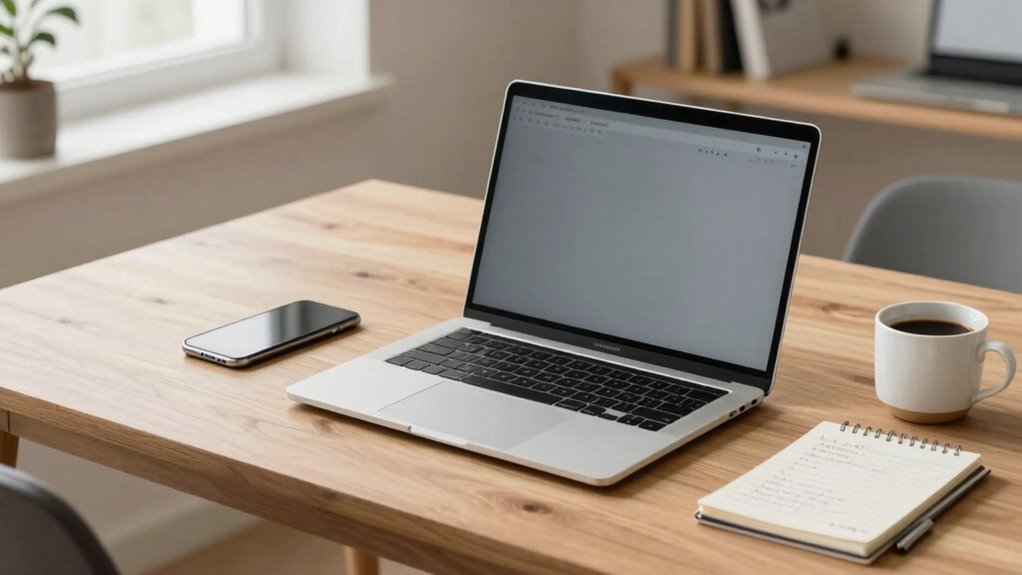

To choose a laptop for everyday life without overspending, focus on your core needs like browsing, emails, streaming, and documents. Prioritize at least 8GB RAM and a 256GB SSD to keep things smooth without overpaying for high-end specs. Select a comfortable display size and aim for at least 8 hours of battery life for portability. Look for essential connectivity and future upgrades if needed. If you want to learn more tips, keep exploring the key points to find the perfect balance.

Get the latest gadgets delivered free — and shop member deals
- Fast, free delivery on millions of items
- Access to Prime Big Deal Days deals on October 6–7
- Prime Video, Amazon Music and more included
Key Takeaways
- Prioritize at least 8GB RAM and a 256GB SSD for smooth multitasking and sufficient storage without overspending.
- Select a screen size (13-14 inches for portability or 15.6 inches for comfort) based on your mobility needs.
- Ensure at least 8 hours of battery life to support daily on-the-go use.
- Focus on essential features like connectivity, keyboard comfort, and good audio for everyday tasks.
- Avoid high-end GPUs unless gaming or graphics-intensive work is a primary requirement.
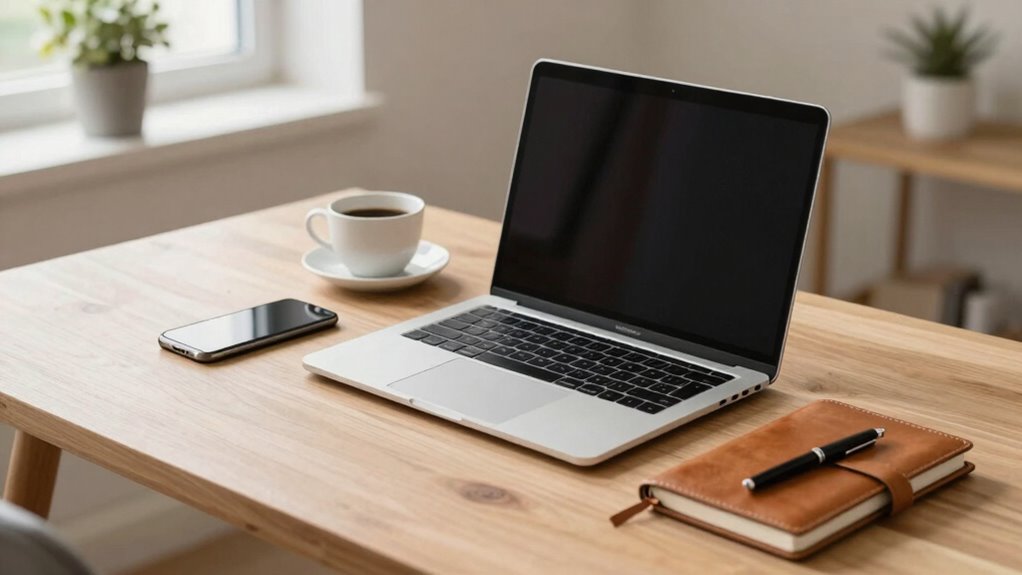
Choosing the right laptop for everyday life can seem overwhelming with so many options available, but focusing on your needs makes the process simpler. If you’re just using your laptop for browsing, emails, streaming, or working on documents, you don’t need high-end specs. Instead, prioritize features that boost your daily experience without overspending. For example, consider a model with enough RAM—at least 8GB—to handle multitasking smoothly. Storage should also match your usage; a 256GB SSD is usually sufficient for most, offering faster performance and enough space for essential files.
If gaming performance isn’t on your list, don’t waste money on a gaming-centric machine. But if you do enjoy gaming, pay attention to graphics quality and the graphics card. A good GPU makes a difference in gaming, streaming high-quality videos, and even some creative tasks like photo editing. You don’t need the latest high-end GPU unless gaming or graphics-intensive work is a priority. Instead, look for a balance—something like a mid-range GPU that offers decent graphics quality without draining your budget.
When it comes to display, think about how much screen real estate you prefer. A 13- or 14-inch screen offers portability, while a 15.6-inch or larger display can enhance comfort, especially if you spend hours on your laptop. Screen resolution matters too; Full HD (1920×1080) is the standard that provides clear visuals for everyday tasks and media consumption. If you’re into creative work or want sharper visuals, you might consider higher resolutions, but for most users, Full HD hits the sweet spot. Additionally, understanding performance requirements helps in selecting a laptop that meets your daily demands efficiently.
Battery life is another essential factor. If you’re often on the go, opt for a laptop that offers at least 8 hours of stamina. This way, you avoid constant recharges and can work or enjoy entertainment longer without interruptions. Portability is also key—lightweight models are easier to carry around if you commute or travel frequently. A good understanding of connectivity options can also ensure you stay connected to all your devices and accessories without hassle. It’s also wise to consider future upgradeability, so your device can adapt as your needs evolve over time. Being aware of thermal management can help you choose a laptop that remains comfortable to use during extended sessions, avoiding overheating issues. Additionally, selecting a device with good audio quality can enhance your media and communication experiences.
Lastly, consider the keyboard and trackpad comfort, especially if you type a lot. A responsive keyboard can make your work more comfortable, and a reliable trackpad saves frustration. By focusing on these core features—performance, graphics quality, display, battery life, and portability—you make smarter choices and avoid overspending on unnecessary features. The goal is to find a balance that perfectly suits your everyday needs without overbuying.
affordable 8GB RAM 256GB SSD laptop
As an affiliate, we earn on qualifying purchases.
As an affiliate, we earn on qualifying purchases.
Frequently Asked Questions
What Is the Average Battery Life I Should Expect?
You should expect your laptop’s battery longevity to be around 8 to 12 hours for everyday use. Look for models with good power efficiency to maximize this. Devices with strong power efficiency help extend battery life, so you won’t have to recharge constantly. Keep in mind, actual battery longevity can vary based on your activities, but focusing on power-efficient features guarantees you get the most out of your laptop throughout the day.
How Important Is Weight for Daily Portability?
Imagine your laptop as a loyal companion on your daily adventures. Weight considerations are vital—lighter laptops symbolize freedom and ease, making your portable design effortless to carry everywhere. A heavy device can weigh you down, hindering spontaneous plans or busy commutes. Prioritize a sleek, portable design that matches your lifestyle, ensuring you stay connected and productive without feeling burdened by your tech.
Should I Prioritize Screen Size Over Performance?
You should prioritize display quality over performance if viewing visuals or working on creative projects matters most to you, as a good display enhances your experience. However, if you run multiple apps or handle demanding tasks daily, processing power becomes essential. Balance both by choosing a laptop with a decent display and sufficient processing power, ensuring it meets your everyday needs without overbuying.
What Security Features Are Essential for Everyday Use?
You should prioritize security features like built-in antivirus protection and adjustable privacy settings. Antivirus software helps defend against malware and cyber threats, keeping your data safe. Privacy settings allow you to control app permissions and protect personal information. Look for laptops with easy-to-use security options and regular updates, ensuring your device stays secure during everyday tasks without sacrificing convenience or performance.
How Often Should I Upgrade My Laptop?
You should consider upgrading your laptop every 3 to 5 years, depending on battery longevity and hardware durability. If your battery starts to hold less charge or your hardware begins to slow down, it’s time for an upgrade. Regularly assess performance and battery life to determine if your current laptop still meets your needs. Staying updated ensures you enjoy peak speed, security, and reliability for everyday tasks.
As an affiliate, we earn on qualifying purchases.
Conclusion
When choosing a laptop for everyday life, keep it simple and stay savvy. Stick to your specific needs, avoid overbuying, and resist the lure of luxury features that aren’t necessary. Remember, a well-chosen, modest machine will serve you smoothly and save you money. Don’t get dazzled by dazzling designs or unnecessary extras—diligence in decision-making delivers the best balance of budget and benefit. Be wise, be practical, and your perfect laptop will patiently perform.
long battery life laptop for everyday use
As an affiliate, we earn on qualifying purchases.
As an affiliate, we earn on qualifying purchases.
best budget laptops for browsing and streaming
As an affiliate, we earn on qualifying purchases.
As an affiliate, we earn on qualifying purchases.
Halloween Picks
halloween
As an affiliate, we earn on qualifying purchases.