
TL;DR
A buying guide compares nine gaming handhelds across Windows PC gaming, Android, retro play and PS5 remote access. Its recommendations depend on play style, but the supplied material does not establish a 2027 release timeline or provide independent performance and battery test results.
A buying guide titled “9 Gaming Handhelds for 2027”, based on the original analysis, compares nine devices for PC gaming, Android play, retro emulation and PlayStation 5 remote access. The guide names the ASUS ROG Xbox Ally as its overall pick and the AYN Odin 2 Portal as an Android option, but the supplied material does not show that the products are new for 2027 or back its rankings with independent tests.

Get the latest gadgets delivered free with Prime
- Fast, free delivery on millions of items
- Prime Video, Amazon Music and more included
- Member-only deals all year
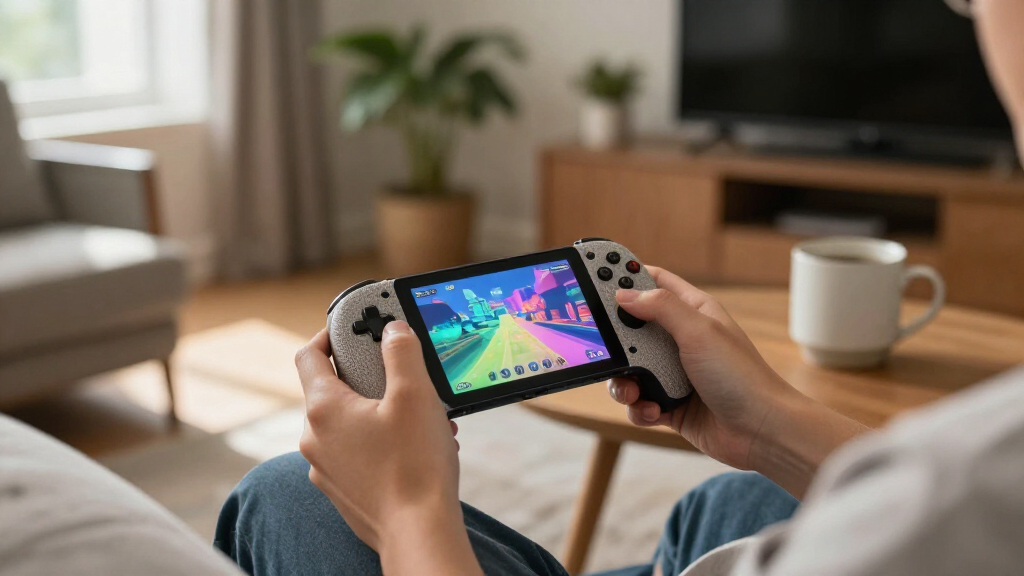
The buying guide covers devices with different purposes and software. It lists Windows handhelds including the ASUS ROG Xbox Ally, its higher-spec Ally X version, the MSI Claw and Lenovo Legion Go S. Its Android options are the AYN Odin 2 Portal and Retroid Pocket 5; it positions the Miyoo Mini Flip for compact retro play and the PlayStation Portal for streaming games from a PS5. The guide also lists a renewed ROG Xbox Ally as an entry-level choice.
According to the supplied guide, the ROG Xbox Ally has a 7-inch, 120Hz IPS display and Ryzen Z2 A processor; the Ally X is listed with a Ryzen AI Z2 Extreme processor and 24GB of memory. The guide gives the Legion Go S and MSI Claw 8-inch, 120Hz displays, and describes the Portal as having an 8-inch 1080p LCD with support for up to 60 frames per second, depending on the game and connection; for display context, see this guide to high-refresh gaming displays. It lists the Odin 2 Portal with a 7-inch OLED screen and Snapdragon 8 Gen 2 chip.
The guide recommends the Ally for a Windows game library, Odin 2 Portal for Android, Miyoo Mini Flip for small-format retro gaming, and Portal for PS5 remote play, with wireless gaming controllers offering another way to play across platforms. It also flags tradeoffs, including a stated 90-day warranty for the renewed Ally and a 512GB SSD for the MSI Claw. The supplied material does not provide comparable prices, measured battery life or performance results.
Nine devices, four ways to play Choose by play style
The guide compares handhelds for PC gaming, Android, retro play and PS5 remote access. Its picks are recommendations, not independently verified rankings.
Start with your game library
Software and connection needs shape which device fits.
Play a PC library
The guide names the ASUS ROG Xbox Ally as its overall pick, alongside Ally X, MSI Claw and Lenovo Legion Go S.
Mobile games and emulation
The AYN Odin 2 Portal and Retroid Pocket 5 are Android options.
Compact classic play
The guide positions Miyoo Mini Flip for compact retro gaming and says it supports more than 20 emulators.
Play remotely
PlayStation Portal streams from a PS5; the experience depends on the game and network connection.
Compare the listed display details
These are specifications reported by the guide, not independent test results.
| Device | Display detail in guide |
|---|---|
| ROG Xbox Ally | 7-inch, 120Hz IPS |
| Ally X | Display detail not stated |
| Legion Go S and MSI Claw | 8-inch, 120Hz |
| AYN Odin 2 Portal | 7-inch OLED |
| PlayStation Portal | 8-inch 1080p LCD; up to 60fps depending on game and connection |
Check the evidence before buying
The guide helps narrow the use case, but leaves important comparisons open.
Check current price, configuration, warranty and availability with the seller.
The guide gives conflicting Miyoo Mini Flip screen resolutions: 750 × 680 and 750 × 560.
For Portal remote play, consider whether your home Wi-Fi meets your needs.
Tradeoffs remain unclear
No comparable prices, measured battery runtimes, performance tests, frame-rate comparisons or latency results are provided. The guide states a 90-day warranty for the renewed ROG Xbox Ally and lists a 512GB SSD for the MSI Claw.
Choose by Game Library and Setting
The guide’s categories reflect how a handheld’s software and connection requirements can shape the experience as much as its processor. It presents a Windows device as an option for access to a PC library, Android models for mobile games and emulation, and the PlayStation Portal for remote access to a PS5, which depends on the network connection.
The source says 120Hz displays can drain battery quickly, but provides no battery measurements to compare the listed models. Its categories can help buyers narrow their options, but the available evidence does not establish which device offers the best value or longest play time.
Popular right now

Ninja Foodi 8-Qt DualZone 6-in-1 Air Fryer, Grey (DZ201)

Hisense E6 Cinema Series 55-Inch 4K UHD QLED Smart Fire TV

De'Longhi La Specialista Arte Evo Espresso Machine with Grinder
As an affiliate, we earn on qualifying purchases.
Nine Devices, Four Use Cases
The buying guide groups the handhelds around four broad uses: PC gaming, Android gaming, retro play and console streaming. The devices serve different purposes. The guide describes the Portal as a device for streaming from a PS5, rather than as a standalone PC or Android gaming machine. It describes the Miyoo Mini Flip as a Linux-based retro device with support for more than 20 emulators.
The supplied source text contains details that call for caution. It gives the Miyoo display resolution as 750 × 680 in one listing and 750 × 560 in another. The MSI Claw product description names an Intel Arc G3 Extreme processor, while its summary refers more generally to an Intel Core processor and Intel Arc graphics. The guide also mixes product specifications with affiliate purchase links and labels some models “best” in their categories; those are the guide’s recommendations, not independently verified findings.
Prices, Battery Tests and 2027 Status
The supplied guide does not state when it was published, whether any listed model is a 2027 release, or what prices were used to judge value. It includes no documented testing method, measured battery runtimes, frame-rate comparisons or latency results. Its claims that one device “surpasses” competitors or offers better performance per dollar should therefore be read as the guide’s assessment, not as established comparative test results.
The source has incomplete or inconsistent specifications, including the Miyoo Mini Flip’s screen resolution. It does not explain how the Portal performs across different home networks or how battery life varies with screen refresh rate and game workload. Those missing details could affect which device suits a buyer.
Check Current Listings Before Buying
Readers considering a purchase should confirm the current price, exact configuration, warranty and availability with the seller. The supplied guide gives conflicting Miyoo Mini Flip screen resolutions, so buyers should check the specific listing; for the renewed ROG Ally, it states a 90-day warranty. PS5 Portal buyers should also check whether their home Wi-Fi meets their needs for remote play.
The guide names products but gives no schedule for updated comparisons or further testing. Dated prices and comparable battery, performance and connection tests would be needed to support firmer rankings.
Key Questions
Which handheld does the guide recommend overall?
The guide names the ASUS ROG Xbox Ally as its overall pick, citing a balance of performance and ergonomic comfort. The supplied source provides no independent test results to verify that comparison.
Is the PlayStation Portal a standalone gaming handheld?
The guide describes it as a PS5 remote player. It lists support for up to 60fps, depending on the game and connection, and says it is intended for streaming from a PS5.
Which options are aimed at retro gaming?
The guide presents the Miyoo Mini Flip as a compact retro device and recommends the Retroid Pocket 5 for retro and emulation enthusiasts. It says the Miyoo supports more than 20 emulators.
Does the guide prove which device has the best battery life?
No. The guide discusses battery life as a tradeoff, including the power demands of 120Hz displays, but gives no measured runtimes or standardized comparison.
Are these confirmed 2027 handheld releases?
The guide is titled for 2027, but the supplied material provides no release dates and does not establish that the listed devices are 2027 launches. Check current manufacturer and retailer information for availability.
Source: Thorsten Meyer AI