
TL;DR

Get the latest gadgets delivered free with Prime
- Fast, free delivery on millions of items
- Prime Video, Amazon Music and more included
- Member-only deals all year
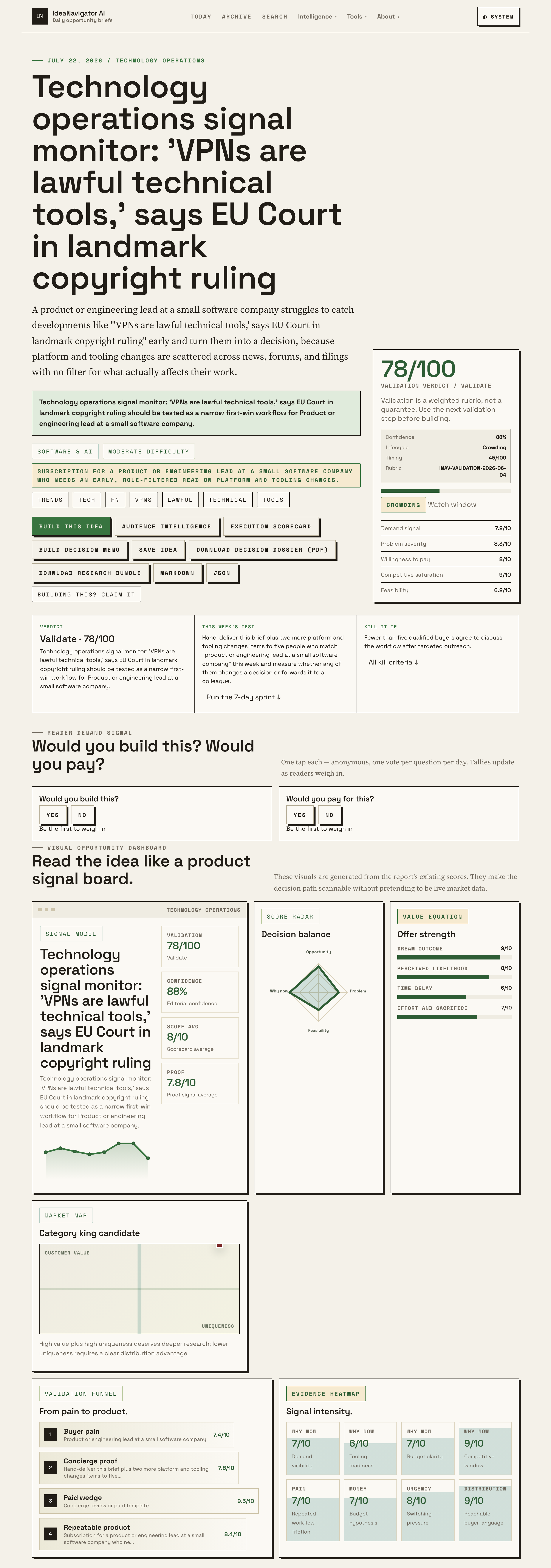
The European Court of Justice has ruled that VPNs are lawful technical tools, a decision that supports privacy and security trends. This ruling clarifies legal standing and could influence future regulations.
The European Court of Justice has officially ruled that VPNs are lawful technical tools, affirming their legitimacy under European law. This decision clarifies legal uncertainties surrounding VPN use and is expected to bolster privacy and security practices across the continent.
This landmark ruling was issued in March 2024 and represents a significant legal affirmation of VPN technology, which has been widely used for privacy, security, and circumventing censorship. The court’s judgment explicitly states that VPNs are lawful technical tools and should not be considered illegal merely for their ability to mask user IP addresses or encrypt data.
The decision was based on the interpretation of existing copyright and digital rights laws, emphasizing that VPNs do not inherently violate any legal provisions. The ruling aims to provide clarity for technology providers, users, and regulators, reducing the risk of legal actions against VPN services.
Implications for Privacy and Digital Rights
This ruling is a major win for privacy advocates and technology companies that offer VPN services, as it solidifies their legal standing in Europe. It also sets a precedent that could influence similar legal interpretations in other jurisdictions, promoting broader acceptance of privacy-enhancing technologies.
For users, the decision reassures that VPN use remains protected under law, encouraging more widespread adoption for personal privacy, secure communications, and circumventing censorship. It may also influence future regulatory approaches to digital tools that enhance user rights.
As an affiliate, we earn on qualifying purchases.
Legal Background and European Digital Policy
Prior to this ruling, legal debates around VPNs centered on their potential misuse and regulatory crackdowns in various countries. In Europe, the legal landscape has been somewhat ambiguous, with some member states attempting to restrict or regulate VPN services due to concerns over illegal activities.
The European Court’s decision builds on existing digital rights frameworks and clarifies that VPNs are technological tools that, in themselves, are not illegal. This aligns with European policies promoting digital privacy and free expression.
“VPNs are lawful technical tools, and their use does not inherently violate legal provisions.”
— European Court of Justice
As an affiliate, we earn on qualifying purchases.
Remaining Legal and Regulatory Questions
While the ruling affirms the legality of VPNs, it is still unclear how individual member states will implement or interpret this decision in their national laws. Enforcement practices, potential restrictions, or additional regulations could still emerge, affecting VPN providers and users differently across Europe.
Furthermore, the ruling does not address issues related to illegal activities conducted via VPNs, leaving some ambiguity about the scope of lawful use.
As an affiliate, we earn on qualifying purchases.
Next Steps for Policy and Industry Adaptation
Legal experts anticipate that regulators across Europe will review their policies in light of this ruling, potentially leading to clearer guidelines for VPN providers. Industry groups may also push for more standardized regulations to ensure compliance while maintaining user privacy rights.
Additionally, VPN companies are expected to highlight this legal affirmation in their marketing and legal defenses, fostering greater consumer trust and expanding adoption.
As an affiliate, we earn on qualifying purchases.
Key Questions
Does this ruling mean VPNs are completely unregulated in Europe?
No, the ruling affirms their legality but does not eliminate all regulation. Member states may still develop specific rules or restrictions, which will vary across countries.
Will this ruling affect VPN regulations outside Europe?
Potentially, as it sets a legal precedent that could influence other jurisdictions’ interpretations of VPN legality, especially in regions with similar digital rights frameworks.
What does this mean for users concerned about privacy?
This ruling provides reassurance that using VPNs for privacy and security is protected under European law, encouraging broader adoption and trust in such tools.
Are there any limitations to this ruling?
Yes, it does not address illegal activities conducted via VPNs, nor does it specify how individual countries will implement the decision in their legal systems.
Source: IdeaNavigator AI
Halloween Picks
halloween
As an affiliate, we earn on qualifying purchases.