🔍 Read the full analysis: A Judge Survey Offers Insight Into Fake Precedents In Korean Courts on ThorstenMeyerAI.com

Get the latest gadgets delivered free with Prime
- Fast, free delivery on millions of items
- Prime Video, Amazon Music and more included
- Member-only deals all year
TL;DR
South Korea’s National Court Administration published a survey of 360 judges on November 2, 2026, reporting that about 80% of responding civil, family and administrative judges had encountered false or nonexistent precedents. Judges supported formal measures, including fines, citation-checking duties and disclosure of AI use; the survey measures judges’ reports, not the rate of fake citations in court filings.
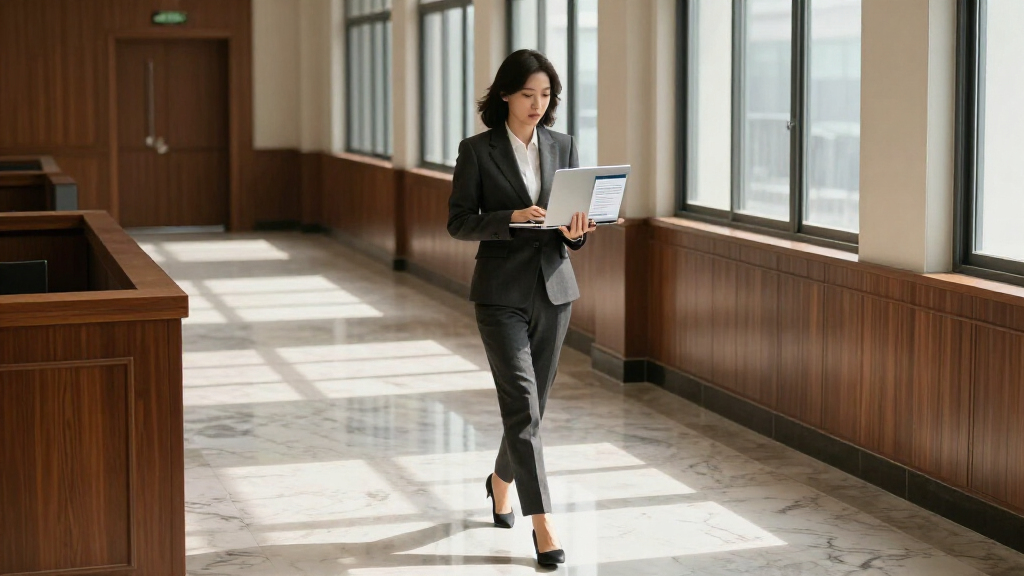
South Korea’s National Court Administration reported on November 2, 2026, that about 80% of responding judges handling civil, family and administrative cases had encountered false or nonexistent precedents cited in court filings. The first survey of its kind, according to the administration, also found support for formal responses such as fines and duties to verify citations, as courts confront material that may be fabricated or distorted by artificial intelligence.
The administration, an arm of the Supreme Court, collected responses from 360 judges across courts at all levels between October 6 and 16. Its release said the reported incidents included nonexistent precedents and real judgments cited with inaccurate content. The figures describe judges’ reported experience; they do not establish what share of filings contain false citations.
Among judges who reported encountering the material, 196 named nonexistent precedents and 159 cited real precedents presented with false content. The survey also recorded reports of false or nonexistent statutes and academic publications. Multiple answers were allowed, so these categories are not mutually exclusive.
The “about 80%” figure applies to responding judges handling civil, family and administrative matters, not all 360 respondents. The release’s figures imply a narrower count for those who had encountered fake citations; Kyunghyang Shinmun reported that 243 of all 360 respondents, or 67.5%, had seen them. The administration’s release does not itself print that overall figure.
Judges identified both litigants and licensed lawyers as sources of false material. In the survey, 164 judges (69.5%) selected parties acting on their own, while 136 (57.6%) selected lawyers acting as representatives or defense counsel. These are responses to a question about who submitted the material, not admissions by judges that they had cited it themselves.
The court administration described examples including fabricated judgments formatted to resemble Supreme Court decisions, real case numbers attached to reasoning that could not be found in searches, and genuine rulings whose holdings were changed or misrepresented. It also cited filings that retained AI chat text or litigation-strategy notes, apparently without editing. The release links the problem to AI-generated false information, but the survey does not establish that AI was the source of every false citation.
Pressure for Citation Rules
The findings matter because courts depend on parties presenting authorities that can be checked and accurately describe the law. Fabricated or distorted cases can require judges and opposing counsel to spend time verifying citations, while potentially complicating hearings and delaying decisions. The administration said such material can impose an unnecessary verification burden and hinder the speedy progress of trials.
91.7% of respondents called for an institutional response, according to the release. Among the measures listed, judges most often selected a legal basis for fines (61.4%), a duty to verify cited precedents (61.1%), and a duty to disclose AI use (60.6%). These figures show what respondents favored; they do not mean the measures are already law or that the survey established which would work best.
The reported involvement of both self-represented parties and lawyers broadens the issue beyond people using AI without legal assistance. If introduced, verification and disclosure requirements could affect filing practices across civil and criminal proceedings. The survey does not quantify case delays, judicial costs or any effect on outcomes, so the scale of those consequences remains unmeasured.
Popular right now

Breville BES870BTR Barista Express Espresso Machine, Black Truffle

Ninja Luxe Café Mini Plus Espresso and Drip Coffee Machine with AutoFroth, Stainless Steel (ES351)

Ninja Crispi Glass Air Fryer (Stone) – 4‑in‑1
As an affiliate, we earn on qualifying purchases.
How the Survey Was Conducted
The National Court Administration’s four-page release was titled “Results of the survey on citations of AI-generated false precedents and similar material.” It said the survey was prompted by concerns that AI hallucinations were leading to citations of false or nonexistent cases. The court authority gathered responses from judges at different levels, but did not state how many were invited or publish the wording of the questions.
The distinction between denominators is central to interpreting the headline figure. The roughly eight-in-ten result refers to judges in civil, family and administrative work who answered that they had experienced false citations. The reported 67.5% across all respondents is a separate calculation published by Kyunghyang Shinmun, based on 243 of 360 judges. Neither figure estimates the prevalence of false citations across all Korean court documents.
The survey also points to a translation issue in coverage. Yonhap’s English-language version, republished by The Korea Herald, said 164 judges had themselves cited false precedents. The Korean wording identifies the parties themselves as the source of the material. That difference is material: the survey does not report that judges admitted to citing false cases.
What the Survey Cannot Establish
The administration did not disclose how many judges were invited, the survey’s response rate or the exact question wording. The results are based on judicial recollections and do not provide an independent audit of filings. They therefore cannot show how frequently false citations appear in all cases, whether reported incidents were generated by AI, or whether they affected rulings.
The release also does not identify specific cases or say whether any parties or lawyers were disciplined. The survey records support for proposed measures, but does not specify their final wording, scope or enforcement process. The discrepancy in English-language reporting about the 164 responses further underlines the need to check translations against the Korean original.
Proposed Changes to Procedure Acts
The National Court Administration plans to propose changes to South Korea’s Civil and Criminal Procedure Acts to provide a legal basis for fines, according to the source report. The survey release also records support for citation verification and disclosure of AI use. It remains unclear when draft amendments will be introduced, what conduct could trigger a fine, or which body would enforce any new duties.
Until proposals are published and considered, the survey represents an assessment of judges’ experiences and preferences—not a change in court rules. The next concrete developments will be the administration’s proposed statutory language and any response from lawmakers, courts and legal professionals.
Key Questions
What did the South Korean judges’ survey find?
The National Court Administration said about 80% of responding civil, family and administrative judges had encountered false or nonexistent precedents. The result is based on judges’ reports, not a review of all court filings.
Did the survey find that eight in ten Korean judges had seen fake citations?
Not across the full group of 360 respondents. The roughly eight-in-ten figure applies to responding judges handling civil, family and administrative cases. Kyunghyang Shinmun reported that 243 of all 360 respondents, or 67.5%, had encountered false citations.
Who did judges say submitted the false citations?
Judges selected both parties acting on their own and lawyers as sources. The survey recorded 164 responses naming parties and 136 naming lawyers; it did not say judges themselves had cited the material.
What rules did judges support?
Respondents favored a legal basis for fines, a duty to verify cited precedents and a duty to disclose AI use. The administration plans to propose changes to the Civil and Criminal Procedure Acts, but no amendments have been enacted on the basis of this survey.
Does the survey show that AI caused every fake citation?
No. The administration raised concerns about AI-generated false information and described examples involving AI, but the survey does not establish the source of every citation or measure how often AI was involved.
Source: ThorstenMeyerAI.com