📊 Full opportunity report: Run Event-Day Operations At Phone-Free Venues on IdeaNavigator AI — validation score, market gap, and execution plan.

Get the latest gadgets delivered free with Prime
- Fast, free delivery on millions of items
- Prime Video, Amazon Music and more included
- Member-only deals all year
TL;DR
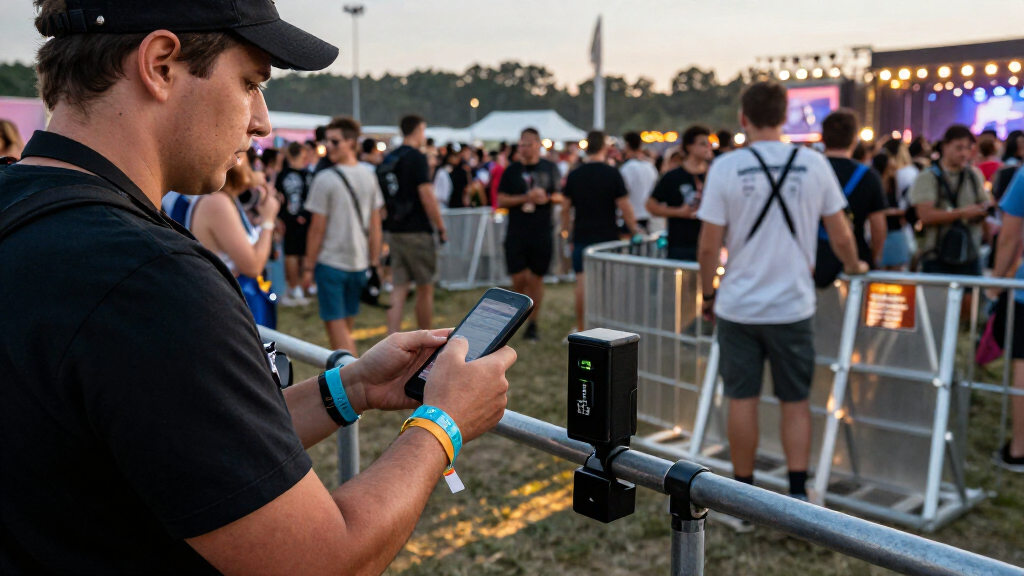
A proposed operations tool for phone-free venues would track pouch inventory, handle exceptions and record emergency unlocks. The concept has not been shown to be operating or tested; its proposed validation is a pilot at five venues and three schools.
IdeaNavigator AI has proposed an operations tool for phone-free shows, comedy clubs, schools and courts that use locked phone pouches, with a suggested pilot at five venues and three schools. The concept targets check-in, medical and other exceptions, pouch tracking and emergency unlocks, but no product launch, completed trial or measured results are reported, according to the proposal published on IdeaNavigator AI’s website.
According to IdeaNavigator AI’s proposal, the minimum viable product would provide a check-in process and exception registry for people with medical needs or on-call responsibilities, as well as pouch inventory tracking. The proposal says it would be designed to work alongside existing pouch systems rather than require a particular hardware provider.
The proposed workflow would also include express emergency-unlock stations that record the reasons for unlocks and post-event reports for operators. IdeaNavigator AI describes current venue operations as relying on pouch hardware and improvised procedures, which it says can lead to lost-pouch problems, delays with exceptions, bottlenecks during emergency unlocks and queues when attendees re-enter.
IdeaNavigator AI proposes a per-event or per-site subscription. To test whether the tool improves operations, it suggests comparing exception-handling time and the completeness of incident logs at five venues and three schools against each location’s existing process. The proposal provides no pricing, pilot partners, deployment dates or results.
Reducing Friction at Phone-Free Events
Phone restrictions depend not only on pouch hardware but also on how staff handle the exceptions and incidents that arise during an event. A system for recording those steps could give operators a more consistent process for medical requests, urgent access and pouch returns, while reports could help them review what happened after an event. These are potential benefits described by the proposal, not demonstrated results.
The operational case is still a proposal, not a demonstrated outcome. Whether software reduces queues or makes incident records more complete would depend on how it fits into venue staffing, existing pouch procedures and emergency protocols. IdeaNavigator AI’s suggested pilot measures are relevant to those questions, but no baseline data or findings are available.
If adopted, a hardware-agnostic tool could potentially serve operators using different pouch systems without replacing their existing equipment. That could matter to organizations weighing phone restrictions, though IdeaNavigator AI’s proposal provides no evidence yet about customer demand, implementation costs or willingness to pay.
phone-free event pouch check-in system
As an affiliate, we earn on qualifying purchases.
As an affiliate, we earn on qualifying purchases.
A Workflow Layer for Pouch Systems
IdeaNavigator AI identifies shows, comedy clubs, schools and courts as potential settings where phone-free policies are used alongside lockable pouches. Its proposal frames the opportunity as operations software for organizations already using those systems, rather than a new pouch product or a general-purpose event platform.
The proposal’s rationale is that mandates are spreading across these settings while the processes around pouch distribution and exceptions remain informal. That is IdeaNavigator AI’s assessment; the proposal does not provide a survey, adoption figures, named customers or examples documenting the scale of the problem.
The suggested test would compare performance with each site’s current improvised process. The proposal does not specify definitions for exception-handling time or a complete incident log, or explain how the pilot would account for differences among schools, courts and live events.
As an affiliate, we earn on qualifying purchases.
Pilot Evidence Still Missing
IdeaNavigator AI’s proposal reports no pilot results, confirmed customers or named product operator. It is not clear whether development has begun, when a test might take place, or whether any venues or schools have agreed to participate. The proposed five-venue and three-school pilot is a validation plan, not evidence that testing is underway.
Other open questions include how staff would verify exceptions, who could authorize an emergency unlock, how sensitive incident records would be protected and whether the tool would integrate with existing systems. The proposal includes no technical design, security details, subscription prices or evidence of measurable operational benefits.
As an affiliate, we earn on qualifying purchases.
Testing the Proposed Workflow
IdeaNavigator AI’s stated next step is to pilot the tool at five venues and three schools, then compare exception-handling time and incident-log completeness with existing procedures. The proposal gives no schedule and does not say whether the pilot has been funded or arranged.
Before results could establish whether the concept is useful, operators would need to define the measures, document their current workflows and explain how staff would handle urgent exceptions. The proposal does not announce pilot participants, product availability or results.
Source: IdeaNavigator AI
As an affiliate, we earn on qualifying purchases.
Key Questions
What is the proposed phone-free venue tool?
IdeaNavigator AI describes it as a proposed operations system for organizations using locked phone pouches, with features for check-in, exceptions, pouch inventory, emergency unlocks and event reports.
Is the tool already available?
IdeaNavigator AI’s information describes a product concept and proposed minimum viable product. It does not report a launch, completed build or available service.
Where would it be tested?
IdeaNavigator AI’s suggested validation plan calls for pilots at five venues and three schools. No participants or dates are identified.
How would the pilot assess whether it works?
The proposal’s suggested measures are exception-handling time and incident-log completeness, compared with each site’s current process. No results or measurement definitions have been provided.
How might the service make money?
IdeaNavigator AI proposes a subscription charged per event or per site. Specific prices and customer commitments are not stated.
Source: IdeaNavigator AI
Halloween Picks
halloween
As an affiliate, we earn on qualifying purchases.