
🔍 Read the full analysis: Google And AI: Collaborating To Shape The Future Of Fashion on ThorstenMeyerAI.com

Get the latest gadgets delivered free — and shop member deals
- Fast, free delivery on millions of items
- Access to Prime Big Deal Days deals on October 6–7
- Prime Video, Amazon Music and more included
TL;DR
Google’s Envisioning Studio partnered with designers Jane Wade and Sergio Hudson to create AI tools for NY Fashion Week. These tools virtualized styling and set staging, aiming to improve efficiency. The results appeared on the runway, but independent verification is not yet available.
Google’s Envisioning Studio, working with Google Labs, announced on September 18, 2026, that it co-created two custom AI tools with fashion designers Jane Wade and Sergio Hudson for use during New York Fashion Week. The tools, designed to streamline styling and staging processes, reportedly contributed to the runway shows, although independent verification of their impact has not been provided. For more details, see the original analysis here.
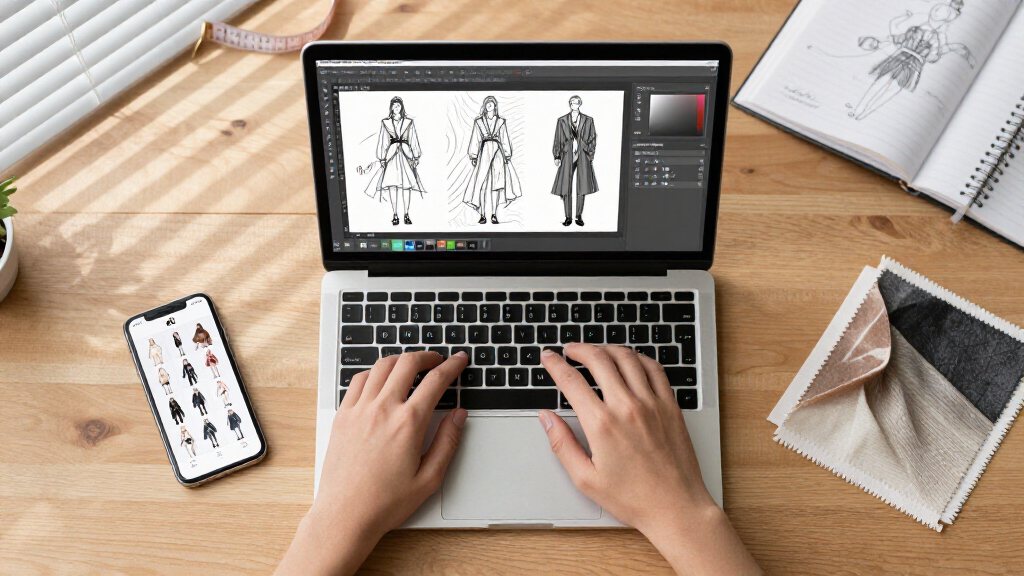
Google developed two AI tools—Styling Suite and Runway Visualization—in collaboration with Wade and Hudson, aiming to address common workflow challenges faced by fashion designers. Learn more about AI in fashion from this analysis. Styling Suite enabled Wade to virtually assemble and refine complete looks, including hair, makeup, accessories, and garments, reducing the time spent on physical fittings and adjustments. Runway Visualization allowed Hudson to simulate and modify his runway set within budget constraints, testing different lighting, props, and configurations before actual production.
According to Google, these tools were built within Google Flow, Google’s AI creative studio, with engineers working directly alongside the designers. The company claims that the results of these collaborations were visible on the runways at NYFW, implying that the tools contributed to the final presentations. However, specific data on cost savings, time reduction, or the extent of the tools’ reuse remains undisclosed, and independent verification is absent.
Potential Shift Toward AI-Integrated Fashion Workflows
This development signifies a move toward integrating AI directly into fashion production workflows, emphasizing operational efficiency rather than creative automation. Google’s approach highlights the importance of co-developing tools with designers to address real-world challenges such as time-consuming fittings and costly set staging. If these tools prove effective beyond pilot projects, they could influence standard practices in fashion production, especially for small and mid-sized studios with limited budgets.
As an affiliate, we earn on qualifying purchases.
Google’s Push for Custom AI Tools in Fashion Industry
Google has positioned its AI tools as operational aids rather than creative replacements, focusing on simulation and planning tasks like styling and set design. The company’s announcement follows a broader trend of tech firms exploring AI applications in fashion, aiming to reduce costs and streamline pre-show preparations. Prior to NYFW 2026, most AI efforts in fashion remained experimental, with limited real-world adoption. Google’s initiative is notable for its emphasis on co-development with designers and the use of natural language descriptions to build bespoke tools within Google Flow.
While Google claims these tools contributed to the NYFW shows, there is no independent data confirming their effectiveness or adoption rate. The company’s assertion that results appeared on the runway is based solely on its own account, and details on how much time or money was saved are not provided.
“Using the AI tools allowed me to experiment with styling digitally, saving days of physical fittings and adjustments.”
— Jane Wade
fashion runway visualization tools
As an affiliate, we earn on qualifying purchases.
As an affiliate, we earn on qualifying purchases.
Unverified Impact and Broader Adoption of AI Tools
It remains unclear how much time or cost was actually saved using these AI tools, as no independent measurements or comparisons have been published. The claim that results appeared on the runway is based solely on Google’s account, with no external verification. It is also unknown whether these tools will be adopted widely in the industry or remain limited to these pilot collaborations. The future availability of Styling Suite and Runway Visualization as standard features within Google Flow is also unconfirmed.
As an affiliate, we earn on qualifying purchases.
Monitoring Industry Adoption and Independent Evaluations
Future fashion weeks will serve as a test for these AI tools’ practical value and industry acceptance. Independent assessments and case studies are needed to verify claims of efficiency gains and cost reductions. Google may also expand the availability of these tools within Google Flow, encouraging other designers to adopt similar workflows. Further, the company could publish detailed metrics on the impact of these collaborations to substantiate their effectiveness and influence on standard industry practices.
As an affiliate, we earn on qualifying purchases.
Key Questions
Did the AI tools actually improve the runway shows at NYFW?
Google claims the results appeared on the runway, but there is no independent verification or detailed data confirming the impact of the AI tools on the final presentations.
Are Styling Suite and Runway Visualization available for other designers now?
It is not yet clear whether these tools will become generally available within Google Flow or remain as pilot projects for specific collaborations.
How much time and money did these AI tools save?
Google has not provided specific data or measurements regarding time or cost savings resulting from the use of these tools.
Will other fashion designers adopt similar AI workflows?
Future adoption depends on the proven effectiveness of these tools in upcoming fashion weeks and whether industry players see value in co-developing operational AI solutions.
Could these AI tools replace creative decision-making in fashion?
Google emphasizes that their tools are designed for operational support, not replacing creative design, focusing instead on planning and simulation tasks.
Primary source: Google AI · via ThorstenMeyerAI.com
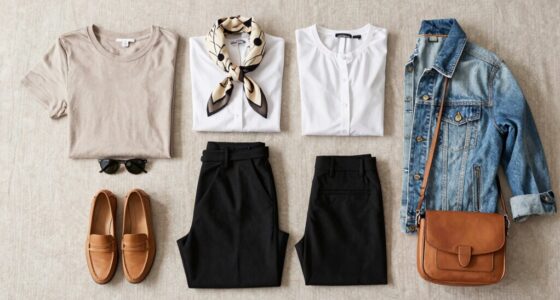
Fall Picks
fall essentials
As an affiliate, we earn on qualifying purchases.