
TL;DR
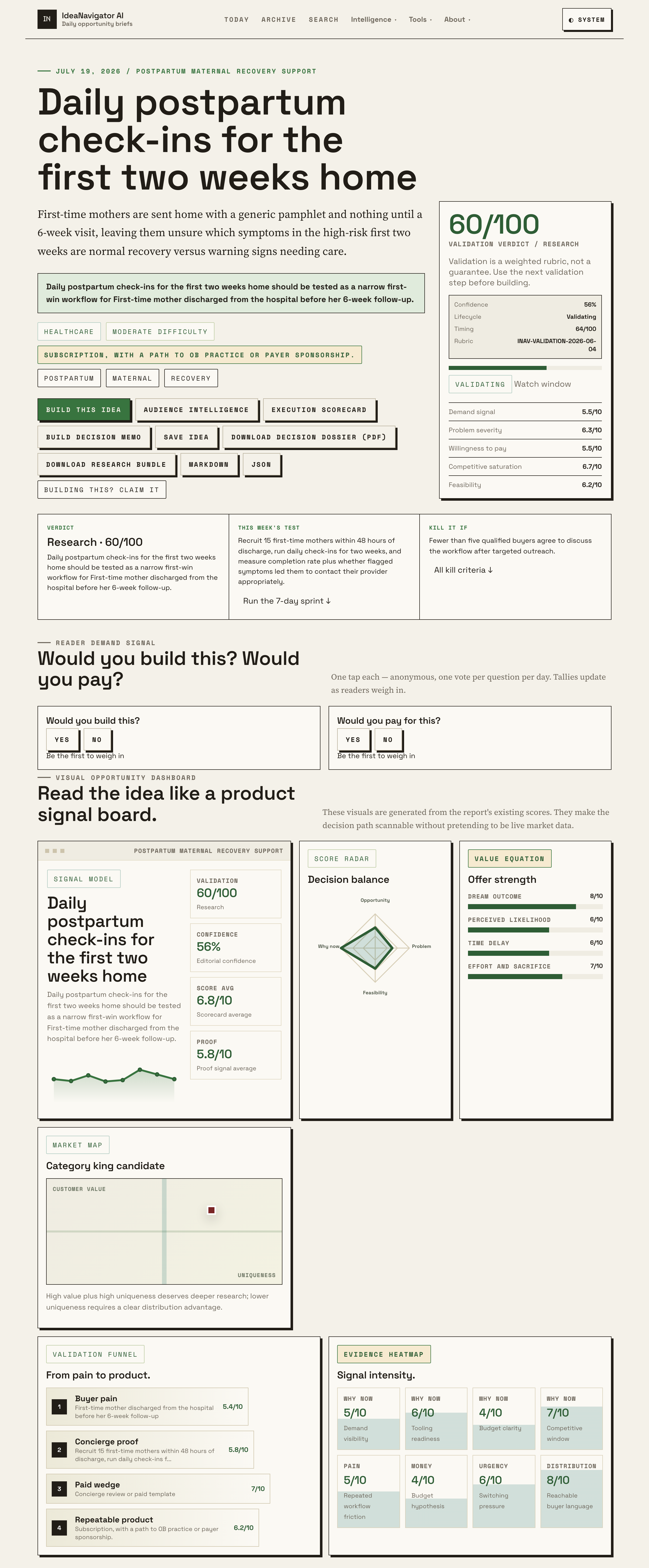
A pilot program is underway to provide daily postpartum check-ins for first-time mothers in the first two weeks after discharge. The initiative aims to address gaps in postpartum care and improve recovery outcomes. Results are pending from initial testing.
A pilot program has begun to provide daily postpartum check-ins for first-time mothers in the first two weeks after hospital discharge, addressing a critical gap in postpartum care. The initiative aims to improve recovery outcomes by offering personalized, daily support during a high-risk period when mothers are often left without close medical contact. This development is significant for maternal health, especially as awareness campaigns highlight the dangers of postpartum gaps.

Get the latest gadgets delivered free with Prime
- Fast, free delivery on millions of items
- Prime Video, Amazon Music and more included
- Member-only deals all year
The program targets first-time mothers discharged early, typically before their six-week postpartum visit, a period identified as high-risk for complications. The initiative involves an onboarding process that creates a recovery profile based on delivery details, feeding method, and mental health baseline. It then delivers daily, targeted check-ins via a smartphone app, prompting mothers to report symptoms and receive tailored recovery tips.
According to an anonymous researcher involved in the project, the goal is to measure engagement by tracking completion rates and whether flagged symptoms lead mothers to contact their healthcare providers appropriately. The program is currently recruiting 15 participants within 48 hours of discharge for a two-week trial. It is designed to be a low-cost, scalable solution that could be integrated into existing postpartum care models if successful.
Potential Impact on Postpartum Care Standards
This initiative could significantly improve postpartum recovery by providing timely, personalized support during the critical first two weeks after birth. It aims to reduce emergency visits, identify complications early, and empower mothers with tailored guidance. If validated, it may influence future standards of postpartum care, especially as healthcare systems seek more efficient ways to support new mothers outside clinical settings.
Popular right now

De'Longhi La Specialista Arte Evo Semi-Automatic Espresso Machine with Grinder and Cold Brew

Bose QuietComfort Wireless Noise-Cancelling Headphones, Petal Pink

Vitamix VX1 Professional-Grade Blender, 64 oz, Black
As an affiliate, we earn on qualifying purchases.
Addressing the Postpartum Care Gap
Current postpartum care often involves a single visit at six weeks, with little follow-up during the initial high-risk period. Maternal health campaigns have highlighted the dangers of this gap, including postpartum depression and physical complications that can escalate without early detection. Smartphone-based solutions have gained interest as a feasible method to bridge this care void, leveraging technology to deliver daily support and monitoring.
“This pilot aims to test whether daily, personalized check-ins can improve recovery outcomes and reduce emergency visits among first-time mothers discharged early.”
— an anonymous researcher
Unclear Outcomes and Future Validation Steps
It is not yet clear whether the pilot will demonstrate significant improvements in maternal recovery or reductions in complications. The sample size is small, and results depend on engagement levels and accurate symptom reporting. Further validation will be needed before broader implementation or integration into standard postpartum care protocols.
Next Steps for Pilot Evaluation and Scaling
Researchers plan to complete the two-week trial with the initial 15 participants and analyze data on engagement, symptom reporting, and healthcare contact. If results are positive, the team will consider expanding the program, seeking sponsorship from OB practices or payers, and conducting larger studies to confirm efficacy before recommending widespread adoption.
Key Questions
How does the daily postpartum check-in work?
The program uses a smartphone app to deliver daily tailored questions based on the mother’s recovery profile. It prompts mothers to report symptoms and provides personalized tips or alerts to contact healthcare providers if needed.
Who is eligible to participate in the pilot?
First-time mothers discharged from the hospital within 48 hours of delivery, before their six-week postpartum visit, are eligible to join the initial trial.
What are the benefits of this approach?
Potential benefits include early detection of complications, reduced emergency visits, increased maternal confidence, and improved recovery experiences during the high-risk early postpartum period.
Will this program be available widely?
Not yet. The current phase is a small pilot to validate the concept. Broader availability depends on trial outcomes and subsequent scaling efforts.
How is this different from current postpartum care?
Most current care involves a single check at six weeks, whereas this program offers daily, personalized support during the first two weeks when mothers are most vulnerable.
Source: IdeaNavigator AI