

To organize your week around your energy, identify when your energy peaks—like mornings or early afternoons—and schedule demanding tasks then. Use lower-energy times for routine work and plan breaks to recharge. Align complex projects with your natural rhythm and set achievable goals. Prioritize tasks based on energy needs, incorporate physical activity, and guarantee proper rest. By syncing your schedule with your biological cycles, you’ll work smarter and reduce stress—exploring these strategies further can boost your productivity even more.

Get the latest gadgets delivered free with Prime
- Fast, free delivery on millions of items
- Prime Video, Amazon Music and more included
- Member-only deals all year
Key Takeaways
- Identify your peak energy times and schedule demanding tasks during these periods.
- Align deep concentration work with high-energy windows and routine tasks with lower-energy times.
- Incorporate regular breaks and rest to sustain energy levels throughout the week.
- Use time blocking to dedicate focused periods for tasks based on your natural rhythms.
- Prioritize sleep, nutrition, and physical activity to support consistent energy and productivity.
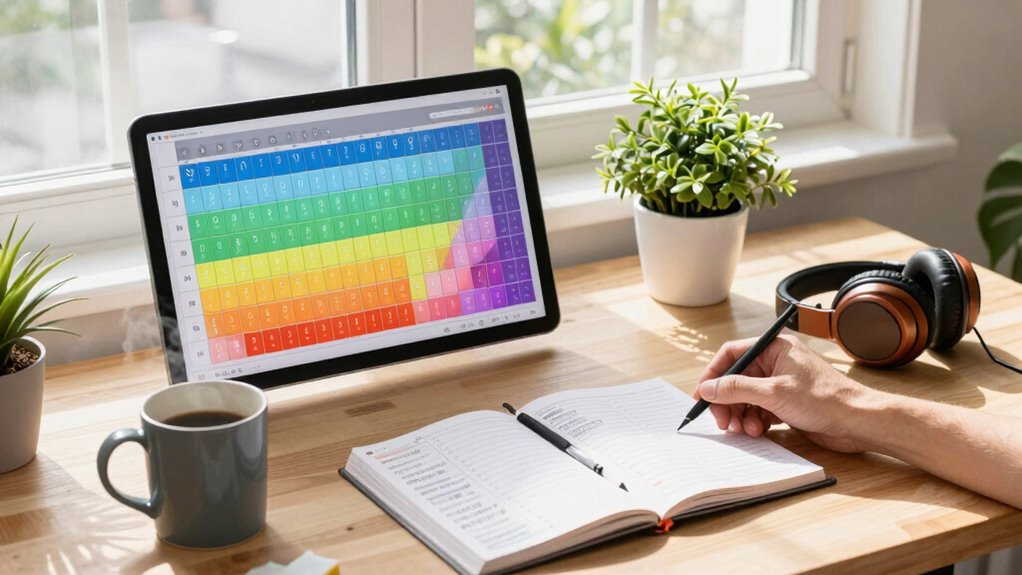
Have you ever felt drained halfway through the week, wondering how to get everything done without burning out? If so, you’re not alone. Many people approach their schedules with wishful thinking, hoping they’ll find enough energy to power through, but that rarely works in the long run. Instead, you need to organize your week around your natural energy levels. This means adopting effective motivational strategies and practical time management techniques that align with when you feel most alert and focused.
Start by honestly evaluating your energy peaks and dips. Are you most energized in the mornings, afternoons, or evenings? Once you recognize your high-energy periods, plan to tackle your most demanding tasks during those windows. For example, if you’re most alert in the mornings, reserve that time for complex projects, strategic thinking, or tasks that require deep concentration. Use your lower-energy times for routine or administrative work. This way, you’re not forcing yourself to operate at full throttle when your body and mind are signaling you to slow down.
Identify your peak energy times and align demanding tasks with those periods for better focus and productivity.
Motivational strategies play a vital role in maintaining momentum. Set clear, achievable goals for each day and week, but be flexible enough to adjust based on your energy levels. Celebrate small wins, as they reinforce your motivation and make it easier to stay on track without feeling overwhelmed. Incorporate regular breaks to recharge — stepping away from work for a few minutes can boost your overall productivity and prevent burnout. Remember, it’s not just about working harder but working smarter. Recognizing your natural energy patterns can help you optimize your productivity and avoid unnecessary exhaustion.
Time management techniques can help you maximize your energy. Use tools like time blocking to dedicate specific periods to particular tasks, and respect those boundaries. Avoid multitasking, as it can drain your energy faster and reduce overall efficiency. Instead, focus on completing one task at a time, allowing your brain to fully engage and finish strong. Prioritizing your tasks by importance and energy requirement, not just urgency, further aligns your efforts with your natural rhythm. When you align your workload with your energy patterns, you’re less likely to feel exhausted before the day ends.
Finally, build in time for rest and recovery. Your energy isn’t infinite, and ignoring this fact leads to burnout. Make sure you get enough sleep, eat nourishing meals, and incorporate physical activity into your routine. Understanding the importance of biological rhythms can help you better synchronize your activities with your body’s natural cycles. When you organize your week around your energy, you empower yourself to be more productive, less stressed, and genuinely capable of achieving your goals without the constant struggle of wishful thinking. It’s about working with your natural rhythm, not against it.
As an affiliate, we earn on qualifying purchases.
Frequently Asked Questions
How Can I Accurately Track My Daily Energy Levels?
You can accurately track your daily energy levels by noting when your energy peaks and dips throughout the day. Keep a simple journal or use an app to record your feelings and activities every few hours. Focus on fatigue management by identifying patterns—like when you feel most alert or exhausted. Over time, this helps you understand your energy rhythms, allowing you to schedule demanding tasks during peak times and rest when needed.
What Tools Are Best for Planning Around Energy Fluctuations?
Use tools like digital calendars or energy management apps to plan your day around your productivity peaks. Block out high-energy periods for demanding tasks and reserve low-energy times for routine or lighter activities. Track your fluctuations with apps like Clockify or Todoist, which help you visualize energy patterns. By aligning your schedule with natural energy ebbs and flows, you optimize your productivity and reduce burnout effectively.
How Long Does It Take to See Results From This Approach?
Like planting a seed, you’ll notice results from this approach within a few weeks of practicing energy awareness and adjusting your daily routines. As you tune into your natural energy patterns, you’ll gradually optimize your productivity and reduce burnout. Consistency is key, and over time, you’ll see improvements in focus, mood, and overall well-being. Stick with it, and your new habits will become a seamless part of your life.
Can This Method Improve Long-Term Productivity?
Yes, this method can improve your long-term productivity. By practicing mindful prioritization and increasing your energy awareness, you’ll learn to focus on high-impact tasks when your energy peaks. Over time, this approach helps you develop sustainable routines, prevents burnout, and boosts efficiency. Consistently tuning into your energy levels enables you to adapt your schedule, making productivity more manageable and aligned with your natural rhythms.
How Do I Handle Low-Energy Days Effectively?
When energy dips like a setting sun, you need to listen to your body’s whisper. Embrace energy awareness and shift gears—pause, breathe, and prioritize self-care routines to recharge. Use low-energy days as a gentle tide, guiding you to lighter tasks or rest. By tuning into your body’s rhythm, you turn these days into opportunities for recovery, ensuring you’re ready to sail smoothly when your energy rises again.
As an affiliate, we earn on qualifying purchases.
Conclusion
As you plan your week, picture your energy like a mountain stream—flowing, vibrant, and unpredictable. When you respect its currents, you’ll navigate busy days with ease, avoiding burnout and embracing moments of recharge. Trust your natural rhythm, and let it guide your choices. By aligning your tasks with your energy, you create a weekly flow that feels effortless, like sunlight dancing on water—beautiful, steady, and alive.
productivity planner with breaks
As an affiliate, we earn on qualifying purchases.
As an affiliate, we earn on qualifying purchases.
As an affiliate, we earn on qualifying purchases.
Halloween Picks
halloween
As an affiliate, we earn on qualifying purchases.