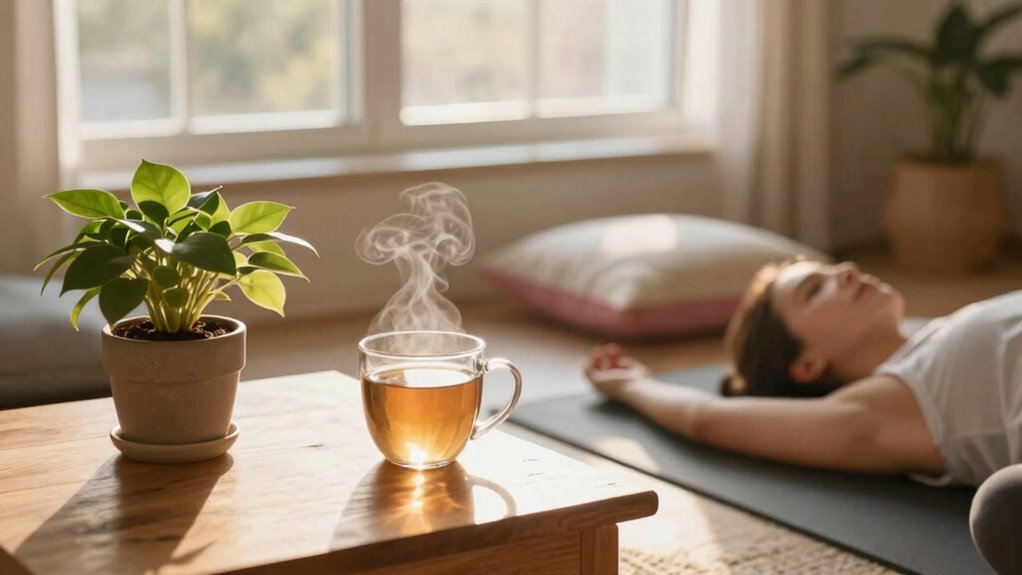

By incorporating small daily wellness changes like practicing mindfulness—such as deep breathing or focusing on your surroundings—you gradually foster a calmer, more centered mood. Connecting with nature during these moments deepens your sense of peace. Building meaningful social interactions also boosts happiness and belonging. These simple, consistent habits may seem minor, but over time they strengthen your emotional resilience and positivity. Stick with these practices to discover even more effective strategies for improving your mood gradually.
Listen free for 30 days with Audible
Thousands of audiobooks and originals — cancel anytime.
As an affiliate, we earn on qualifying purchases.
Key Takeaways
- Incorporate brief mindfulness exercises like deep breathing or focused awareness into daily routines.
- Spend time in natural environments to foster connection, mental clarity, and emotional resilience.
- Engage in regular, meaningful social interactions to boost happiness and combat loneliness.
- Practice mindful listening during conversations to strengthen bonds and presence.
- Consistently implement small wellness habits, such as gratitude or nature walks, to build long-term emotional stability.

Feeling down or overwhelmed can often be improved by making simple wellness changes to your daily routine. One of the most effective ways to boost your mood over time is by incorporating mindfulness practices into your day. These practices help you stay present, reduce stress, and gain better control over your thoughts and emotions. You don’t need to dedicate hours to meditation; even a few minutes of deep breathing or focused awareness can make a significant difference. For example, take a moment to notice your surroundings—listen to the sounds, feel the textures, and observe your breath. Over time, these small acts can help you feel calmer, more centered, and less overwhelmed by daily worries. Mindfulness isn’t about eliminating stress but learning to manage it more effectively, which leads to a more stable and positive mood. Incorporating an awareness of biodiversity into your mindfulness practice by observing nature around you can deepen your sense of connection and calm. Engaging with diverse environments can also enhance your overall sense of well-being by fostering a more comprehensive nature connection. Exploring different natural settings can provide fresh perspectives and promote mental clarity, further supporting your emotional health. Additionally, being mindful of your environment can help you develop a greater appreciation for ecosystem diversity, which is linked to overall mental well-being.
In addition to mindfulness practices, fostering strong social connections plays a crucial role in improving your mood. Human beings are naturally social, and meaningful interactions can boost feelings of happiness and belonging. Make it a point to connect with friends or family regularly, even if it’s through a quick call or a short coffee break. If you’re feeling isolated, consider joining clubs or groups that align with your interests. These opportunities not only provide social support but also give you a sense of purpose and community. Over time, nurturing these relationships can help combat feelings of loneliness and increase your overall well-being. It’s important to remember that social connections don’t have to be grand gestures; small, consistent interactions often have the most lasting impact on your mood.
Combining mindfulness practices with efforts to build social connections creates a powerful synergy that can lead to lasting improvements in how you feel. For example, practicing mindful listening during conversations helps you stay present and genuinely engage with others, strengthening your bonds. Conversely, sharing your mindfulness journey with friends can deepen mutual understanding and support. These small, intentional changes don’t require drastic overhauls of your routine but can gradually reshape how you experience daily life. Over weeks and months, you might notice increased resilience, a more optimistic outlook, and a greater capacity to handle setbacks. Remember, improving your mood is a journey, and every small wellness change you make adds up over time, creating a healthier, happier you.
As an affiliate, we earn on qualifying purchases.
Frequently Asked Questions
Can Small Wellness Changes Replace Professional Mental Health Treatment?
Small wellness changes can complement, but not replace, professional mental health treatment. Holistic approaches and lifestyle modifications, like regular exercise, balanced diet, and mindfulness, support your mental well-being. However, if you’re experiencing severe or persistent symptoms, seeking help from a mental health professional is essential. These small changes work best when integrated into an all-encompassing plan that includes professional guidance, ensuring you get the support you need.
How Long Does It Take to Notice Mood Improvements From Small Changes?
Like waiting for the first light of dawn, you’ll notice mood improvements within a few weeks of consistent small changes. Incorporate mindfulness practices daily, and make simple nutrition adjustments, like eating more fruits and vegetables. These habits gradually boost your mood and resilience, but patience is key. Keep at it, and over time, you’ll feel more balanced and upbeat, much like a well-oiled machine running smoothly.
Are There Specific Wellness Adjustments Better Suited for Certain Mood Disorders?
Yes, personalized approaches and lifestyle tailoring can make wellness adjustments more effective for specific mood disorders. For depression, regular exercise and mindfulness work well, while for anxiety, relaxation techniques and reducing caffeine help. If you’re dealing with bipolar disorder, maintaining a consistent routine is key. By customizing your wellness strategies to your unique needs and disorder, you’re more likely to see meaningful mood improvements over time.
Can These Small Changes Help Prevent Future Mood Dips?
Absolutely, these tiny tweaks can act like your personal mood bodyguards. By sticking to solid sleep routines and making simple diet modifications, you create a fortress against future dips. Think of it as building emotional muscles; the more you exercise these habits, the less likely you are to stumble when mood swings strike. So, yes—small changes today can keep the gloom at bay tomorrow.
Do Individual Differences Affect the Effectiveness of These Wellness Strategies?
Yes, individual differences like personal traits and cultural influences can affect how effective these wellness strategies are for you. Your personality, lifestyle, and cultural background shape how you respond to activities like exercise or mindfulness. Some strategies might resonate more, boosting your mood considerably, while others may need tweaking. Recognizing these differences helps you tailor wellness practices that fit your unique needs, maximizing their positive impact over time.
natural sound machine for relaxation
As an affiliate, we earn on qualifying purchases.
As an affiliate, we earn on qualifying purchases.
Conclusion
By making small, consistent wellness changes, you’re planting seeds for a brighter mood that will bloom over time. Remember, you don’t need to overhaul your life overnight—think of these tweaks as gentle waves shaping a sturdy beach. Each positive step you take adds up, gradually transforming your outlook and planting joy where it once seemed sparse. Keep moving forward, and watch your happiness grow like a resilient garden thriving in the sunlight.
guided meditation app subscription
As an affiliate, we earn on qualifying purchases.
As an affiliate, we earn on qualifying purchases.
As an affiliate, we earn on qualifying purchases.
Flea & tick season Picks
flea and tick prevention
As an affiliate, we earn on qualifying purchases.