
Fabric weight plays a bigger role in your clothing’s durability, comfort, and style than you might realize. Heavier fabrics are stronger and more resistant to wear, making them better for long-lasting pieces. Lighter fabrics offer breathability and comfort, ideal for warm weather. The weight also affects how garments drape and maintain their shape. By paying attention to fabric weight, you can choose clothes that suit your needs perfectly—more insights await if you keep exploring.

Get the latest gadgets delivered free with Prime
- Fast, free delivery on millions of items
- Prime Video, Amazon Music and more included
- Member-only deals all year
Key Takeaways
- Fabric weight influences durability, with heavier fabrics offering greater resistance to wear and tear over time.
- Heavier textiles provide better structure and shape retention, impacting the garment’s style and appearance.
- The choice of fabric weight affects comfort, breathability, and suitability for different weather conditions.
- Understanding fabric weight helps shoppers select clothing that balances durability, comfort, and aesthetic appeal.
- Fabric weight impacts how a garment drapes, feels, and maintains its shape, crucial for long-term satisfaction.
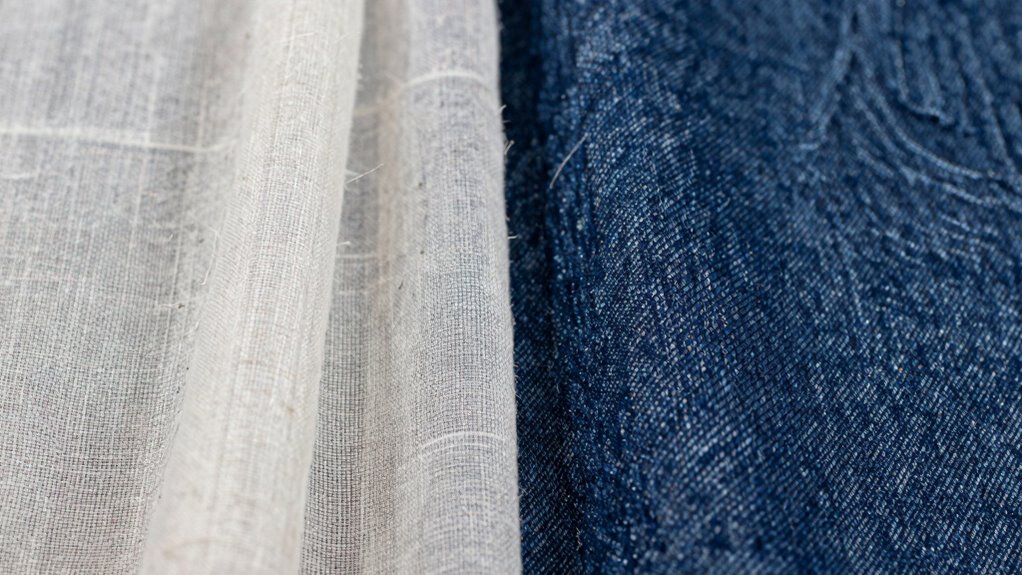
Have you ever wondered how the weight of fabric affects the quality and performance of your clothing? It’s a question many shoppers overlook, but understanding fabric weight can make a huge difference in how your clothes look, feel, and last. When you pick out a shirt or pair of jeans, you’re not just choosing a style—you’re also choosing a fabric that has specific properties influenced by its weight. The weight of fabric, often measured in grams per square meter (gsm), directly impacts its fiber durability and textile density, which in turn affect the garment’s overall quality.
Fiber durability plays an essential role in how well a fabric holds up over time. Heavier fabrics tend to be made from fibers that are more resistant to wear and tear, making them ideal for everyday use and long-lasting garments. Thicker, denser fabrics often have a higher textile density, meaning the fibers are packed more tightly together. This density adds to the fabric’s strength, reducing chances of ripping or fraying and making it more resilient to washing and daily friction. So, when you’re choosing between a lightweight summer top and a heavier winter coat, remember that the heavier fabric generally offers better durability because of its higher textile density.
Moreover, fabric weight influences not just durability but also how the fabric feels and performs. Lighter fabrics are more breathable and suited for warm weather, while heavier fabrics provide insulation and a structured look. You might think a lightweight shirt is more comfortable, but if you need something that lasts through frequent washes or rough treatment, a slightly heavier option could be the smarter choice. The balance between fabric weight and textile density determines how thick or thin the material feels against your skin, affecting comfort and appearance. Heavier fabrics often drape better and hold their shape longer, giving your clothes a more polished, structured look. Additionally, understanding the fiber composition can help you select fabrics that balance weight, durability, and comfort for your specific needs. This knowledge of fabric properties can also guide you toward sustainable and high-quality textile choices. Knowing how different fabrics are manufactured and their textile construction can further assist in making informed purchasing decisions.
Furthermore, being aware of the fabric manufacturing process can help you distinguish between high-quality and lower-quality textiles, ensuring you invest in garments that will truly last. In addition, understanding fabric weight helps you make smarter purchasing decisions based on your needs. If you want a garment that will withstand regular use, opt for fabrics with higher textile density and fiber durability. Conversely, for lightweight comfort, choose fabrics that are lighter but still meet your quality standards. By paying attention to fabric weight, you’re not just selecting a piece of clothing—you’re choosing a product optimized for durability, comfort, and style that will serve you well over time. Ultimately, fabric weight isn’t just a number; it’s a key indicator of how well your clothes will perform and how long they’ll stay looking great.
As an affiliate, we earn on qualifying purchases.
Frequently Asked Questions
How Is Fabric Weight Measured Accurately?
You measure fabric weight accurately using measurement techniques that involve weighing a specific fabric sample, usually in grams or ounces. Fabric weight units like grams per square meter (gsm) or ounces per square yard (oz/yd²) are standard. To guarantee precision, you cut a known area, weigh it on a calibrated scale, and then calculate the weight per unit area. This method provides a reliable way to compare fabric heaviness.
Does Fabric Weight Affect Fabric Durability?
Think of fabric weight as the backbone of durability—you’ll find heavier fabrics often stand the test of time. Fabric weight directly influences durability; lighter materials may wear out faster, aligning with fast fashion trends. Additionally, heavier fabrics tend to have a larger environmental impact due to resource use. So, when choosing fabrics, consider weight for longevity and sustainability, ensuring your wardrobe stays stylish and eco-friendly.
Are Heavier Fabrics Less Breathable?
Heavier fabrics are generally less breathable because of increased fabric density and weight variation, which can trap more heat and moisture. When you choose a heavier fabric, it tends to be thicker and less airy, making it less ideal for hot weather or active wear. However, the actual breathability also depends on the fiber type and weave, so consider these factors alongside weight for the best comfort.
How Does Fabric Weight Influence Garment Comfort?
Fabric weight directly influences your comfort by affecting its drape and moisture absorption. Heavier fabrics tend to have a better drape, giving your garments a structured feel, while lighter fabrics are more flexible and breathable. Heavier fabrics also absorb more moisture, keeping you dry in cooler weather, but may trap heat. Selecting the right fabric weight guarantees your clothing feels comfortable, suits your activity, and matches your preferred climate.
Can Fabric Weight Determine the Garment’s Suitability for Seasons?
Yes, fabric weight helps determine if a garment suits specific seasons. Heavier fabrics provide better insulation, making them ideal for colder months, while lighter fabrics are perfect for seasonal layering in warmer weather. By choosing the right fabric weight, you guarantee comfort and functionality, whether layering for winter or staying cool in summer. Understanding fabric weight guides you to select clothes that keep you comfortable year-round.
As an affiliate, we earn on qualifying purchases.
Conclusion
Remember, fabric weight isn’t just about durability; it’s about comfort, longevity, and purpose. Whether you’re dressing for warmth, breathability, or style, fabric weight guides your choice. It’s a matter of understanding what you need and knowing that heavier isn’t always better, just as lighter isn’t always suitable. By paying attention to fabric weight, you’re making informed decisions, ensuring your clothes serve you well, last longer, and truly meet your needs. Don’t overlook this essential detail—because weight matters.
As an affiliate, we earn on qualifying purchases.
As an affiliate, we earn on qualifying purchases.
Halloween Picks
halloween
As an affiliate, we earn on qualifying purchases.