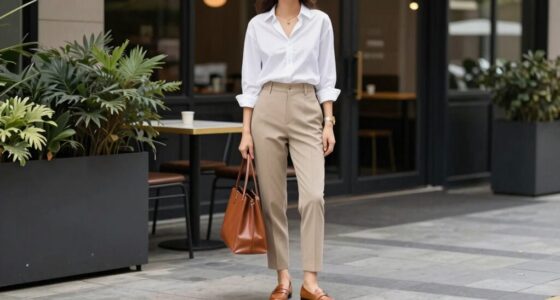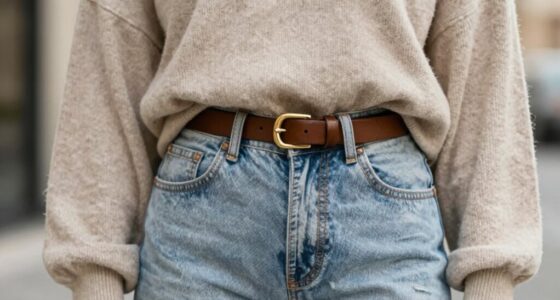
To build a sustainable wardrobe, focus on supporting brands that prioritize fair labor with transparent supply chains. Choose quality, timeless pieces over fast fashion to reduce waste and extend clothing lifespan. Opt for eco friendly dyes and materials that lessen environmental harm. Be mindful of your shopping habits, favoring ethically made items that align with your values. If you want to learn simple strategies to make more ethical choices, keep exploring these sustainable fashion practices.
Key Takeaways
- Prioritize brands with transparent supply chains and fair labor certifications to ensure ethical manufacturing practices.
- Focus on quality, timeless pieces to reduce frequent replacements and promote a sustainable wardrobe.
- Choose garments dyed with eco friendly, natural dyes to minimize environmental and health impacts.
- Support brands committed to sustainable materials and ethical principles, avoiding fast fashion.
- Make mindful shopping decisions, researching garment origins and supporting transparent, fair labor practices.
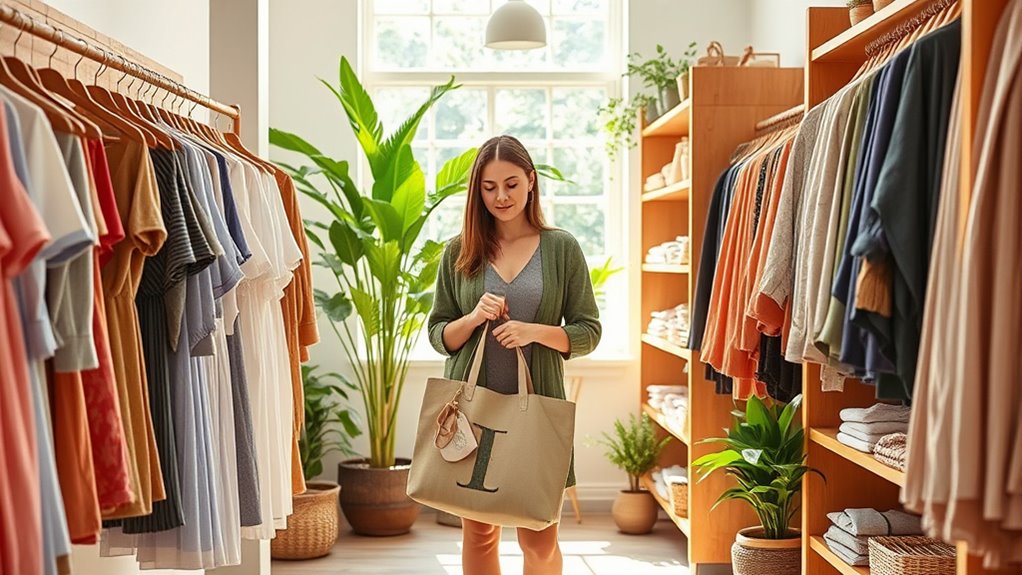
Have you ever wondered if the clothes you buy are truly ethical? It’s a valid question, especially as more brands promote transparency about their manufacturing practices. When building a sustainable wardrobe, one of the most important aspects is ensuring that the clothes you choose are produced with fair labor. Fair labor means workers are paid decent wages, work in safe conditions, and aren’t exploited or forced into harmful practices. By supporting brands that prioritize fair labor, you’re helping to combat the injustices often associated with fast fashion. Look for certifications or company values that emphasize workers’ rights, and do a little research to see where and how the garments are made. This way, your wardrobe reflects your values and promotes social equity.
Prioritize fair labor and transparency to build an ethical wardrobe that supports workers’ rights and social equity.
Another key element in ethical fashion is the use of eco friendly dyes. Traditional dye processes often involve toxic chemicals that harm the environment and endanger workers’ health. Eco friendly dyes, on the other hand, minimize environmental impact by using natural or low-impact substances. They reduce water and energy consumption and eliminate harmful chemicals from the production process. When shopping for clothing, check if the brand highlights its use of sustainable dyes or environmentally conscious manufacturing practices. Choosing garments dyed with eco friendly dyes helps protect ecosystems, conserve resources, and reduces your overall ecological footprint. It’s a simple but powerful way to make your wardrobe more sustainable.
Building a wardrobe rooted in ethical principles doesn’t mean you have to buy only new clothes. It’s about making informed choices, prioritizing quality over quantity, and supporting brands committed to fair labor practices and sustainable materials. Invest in timeless pieces that last longer, so you don’t constantly need to replace items. When you do buy new, opt for brands that are transparent about their supply chains and actively promote fair wages and safe working conditions. Incorporate eco friendly dyes whenever possible, and avoid fast fashion that relies on cheap, harmful dyes and exploitative labor. Over time, these choices add up, creating a wardrobe that aligns with your values while reducing environmental harm.
In the end, building an ethical wardrobe is about being intentional with your purchases. By prioritizing fair labor and eco friendly dyes, you contribute to a more just and sustainable fashion industry. Your wardrobe can be a reflection of your ethics, helping to support workers’ rights and protect the planet. Every small decision counts, and with mindful shopping, you can make fashion a force for good. Recognizing the risks associated with new payment technologies can help consumers make informed choices when supporting ethical brands and services.
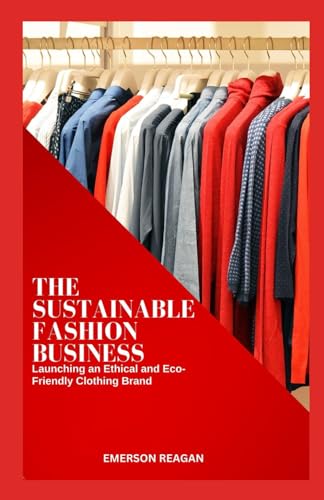
The Sustainable Fashion Business: Launching an Ethical and Eco-Friendly Clothing Brand
As an affiliate, we earn on qualifying purchases.
As an affiliate, we earn on qualifying purchases.
Frequently Asked Questions
How Can I Identify Truly Sustainable Fashion Brands?
You can identify truly sustainable fashion brands by checking their supply chain transparency and commitment to fair labor practices. Look for brands that openly share where and how their products are made, ensuring ethical standards are met. Research their certifications and reviews. Trust brands that prioritize eco-friendly materials and fair wages. By doing so, you support companies genuinely dedicated to sustainability and ethical production.
What Are the Cost Differences Between Ethical and Fast Fashion?
The cost difference between ethical and fast fashion is clear—ethical items often cost more upfront, but they’re worth every penny. You pay for better price factors like fair wages and sustainable materials, while fast fashion cuts corners. Think of it as paying now or paying later; ethical fashion might seem pricier, but it saves you money in the long run with quality and durability. It’s a small price for peace of mind.
How Do I Maintain and Extend the Life of My Ethical Wardrobe?
You can uphold and extend your ethical wardrobe by practicing proper clothing care, such as washing clothes on gentle cycles and avoiding harsh detergents. Wardrobe rotation helps prevent overuse of specific items, keeping your pieces in better shape longer. Additionally, mend minor damages promptly and store clothes properly to prevent wear and tear. These habits ensure your sustainable wardrobe stays fresh, functional, and eco-friendly for years to come.
Are There Specific Certifications to Look for in Ethical Clothing?
You should look for certifications like Fair Trade and Organic Certifications when choosing ethical clothing. These labels guarantee the brand meets strict standards for fair wages, good working conditions, and environmentally friendly practices. By prioritizing these certifications, you actively support sustainable production and ethical labor, making your wardrobe more responsible and eco-friendly. Always check labels and brand transparency to confirm they uphold these certifications before making your purchase.
How Can I Support Local and Emerging Ethical Fashion Designers?
You can support local artisans and promote emerging designers by shopping at local markets, boutiques, or online platforms dedicated to indie labels. Attend craft fairs or fashion shows showcasing new talents, and follow their social media to stay updated. Consider investing in their pieces, as this helps them grow. Your support not only boosts their careers but also encourages a diverse, sustainable fashion scene rooted in community and creativity.

Household Essentials Cedar Fresh Cedar Rings, Pack of 6, Solid Eastern Red Cedar, Natural Moth and Odor Deterrent, Eco-Friendly and Chemical-Free, Perfect for Wire and Plastic Hangers, Natural
- Natural Moth and Odor Protection: Protects clothing without chemicals
- Made from 100% Eastern Red Cedar: Durable and natural material
- Fits Most Hangers: Universal size for convenience
As an affiliate, we earn on qualifying purchases.
As an affiliate, we earn on qualifying purchases.
Conclusion
So, congratulations—you’ve now mastered the art of building a sustainable wardrobe. Just remember, choosing ethical fashion means constantly balancing style, ethics, and budget, all while avoiding the trap of “greenwashing.” It’s almost amusing how much effort it takes to do something as simple as shopping. But hey, if you’re willing to put in the work, maybe, just maybe, you’ll help save the planet—one mindful purchase at a time.

Jacquard iDye for Natural Fabrics .49 Oz – Brown
- Mess-Free Packaging: Dissolvable packet for easy use
- Versatile Dyeing Options: Suitable for stovetop and washing machine
- Brilliant Natural Colors: Produces vibrant hues on natural fabrics
As an affiliate, we earn on qualifying purchases.
As an affiliate, we earn on qualifying purchases.

Organic Cotton: Is it a Sustainable Solution? (Textile Science and Clothing Technology)
As an affiliate, we earn on qualifying purchases.
As an affiliate, we earn on qualifying purchases.